
Leading artificial intelligence researchers and national security experts have issued urgent warnings that the rapid evolution of generative AI tools is lowering the technical barriers for the creation of biological weapons. While AI systems are designed to accelerate drug discovery and scientific research, authorities report that these same models can be manipulated to provide instructions for sourcing, synthesizing, and weaponizing dangerous pathogens, a development that significantly alters the global biosecurity landscape.
The core of the concern lies in the “dual-use” nature of large language models (LLMs) and specialized biological intelligence systems. According to a report by the RAND Corporation, while current AI models do not yet possess the capability to independently manufacture a pathogen from scratch, they can act as “force multipliers” by assisting non-experts in overcoming specific technical hurdles. These hurdles include the identification of optimal viral strains, the procurement of DNA synthesis services, and the refinement of laboratory protocols that were previously accessible only to trained scientists with advanced institutional resources.
Assessing the Risks of AI-Enabled Biological Threats
The potential for AI to facilitate biological harm has moved from a theoretical concern to a focal point for federal regulators. In October 2023, the White House issued the Executive Order on the Safe, Secure, and Trustworthy Development and Use of Artificial Intelligence, which explicitly mandates that developers of powerful AI systems share their safety test results with the government. This policy shift reflects a growing consensus that the democratization of high-level scientific knowledge—while beneficial for medicine—carries inherent risks if that information is misused to bypass established safety protocols.
Researchers at the Nuclear Threat Initiative (NTI) have highlighted that the primary danger is not necessarily the AI itself, but the removal of the “tacit knowledge” barrier. Historically, creating a biological agent required years of specialized training and access to restricted literature. AI models, by contrast, can synthesize vast amounts of public-domain literature, including obscure research papers and laboratory manuals, to provide step-by-step guidance that effectively reduces the time and expertise required for illicit experimentation.
The Technical Challenges of Guardrails
Technology companies are currently struggling to implement effective safeguards, often referred to as “red-teaming,” to prevent their models from answering requests related to biological warfare. A study conducted by MIT researchers found that while commercial AI models have been heavily filtered to reject direct queries about weaponizing pathogens, they remain vulnerable to sophisticated “jailbreaking” techniques. These methods involve framing the illicit request within a hypothetical or educational scenario, which can trick the model into bypassing its internal safety filters.
The challenge for developers is balancing transparency with security. Open-source models, which allow users to download and run software on their own hardware, present a unique policy dilemma. Unlike proprietary systems hosted on company servers, open-source models cannot be remotely “patched” or monitored for malicious usage once they are distributed. This has led to a split in the industry, with some organizations calling for stricter export controls on model weights, while others argue that open access is essential for the scientific community to develop counter-defenses against emerging biological threats.
Global Regulatory and Security Responses
International bodies are beginning to coordinate responses to mitigate these risks. The World Health Organization (WHO) released a framework in March 2024 outlining the need for rigorous governance of AI in health, emphasizing that safety must be integrated into the software development lifecycle. This includes verifying the accuracy of information provided by models, as AI “hallucinations”—where a system generates plausible but false information—could inadvertently lead a user to dangerous or ineffective laboratory procedures.
In the United States, the Cybersecurity and Infrastructure Security Agency (CISA) continues to monitor how AI-driven tools intersect with physical infrastructure. The agency’s focus is on ensuring that biological research facilities, which hold the physical materials necessary for synthesis, are aware of how AI might be used to compromise their security. This includes training personnel to recognize the “digital fingerprints” of individuals who may be using AI to probe for vulnerabilities in bio-manufacturing supply chains.
Future Outlook and Monitoring
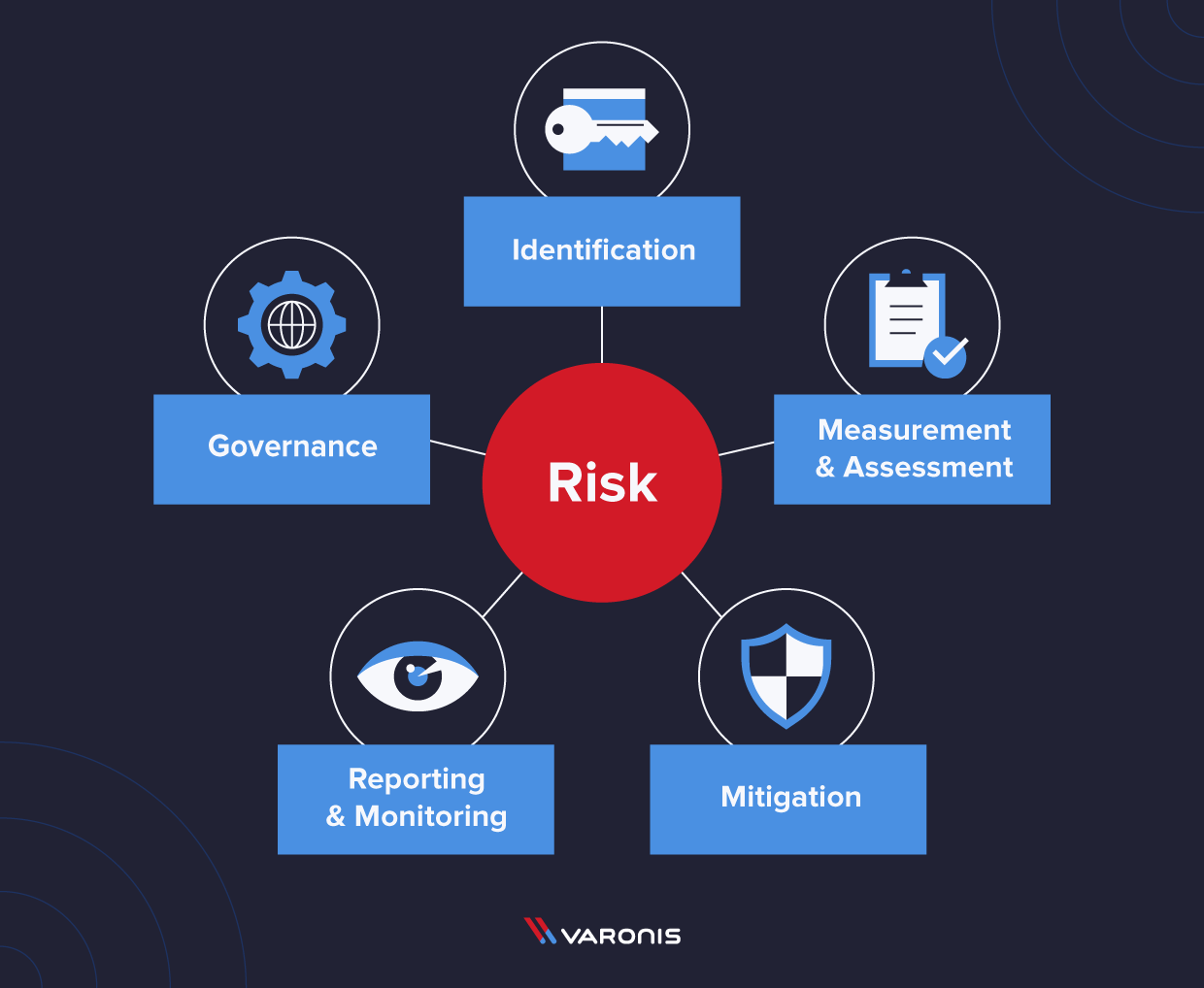
The next major checkpoint for this issue involves the implementation of the National Institute of Standards and Technology (NIST) AI Risk Management Framework, which is being updated to specifically address biological and chemical misuse. As these standards become finalized, industry leaders expect them to become the benchmark for liability and compliance in the AI sector.
While the technology continues to advance, the consensus among experts remains that the goal is not to halt the progress of AI in biology, but to ensure that defensive capabilities—such as rapid pathogen detection and vaccine development—outpace the potential for harm. Readers interested in tracking these developments can monitor updates from the U.S. Department of Health and Human Services (HHS), which regularly publishes advisories on biosecurity and the responsible use of synthetic biology tools.
Have you observed shifts in how AI safety is being discussed in your field? Share your thoughts in the comments below or join the discussion on our social media channels.
Keep reading