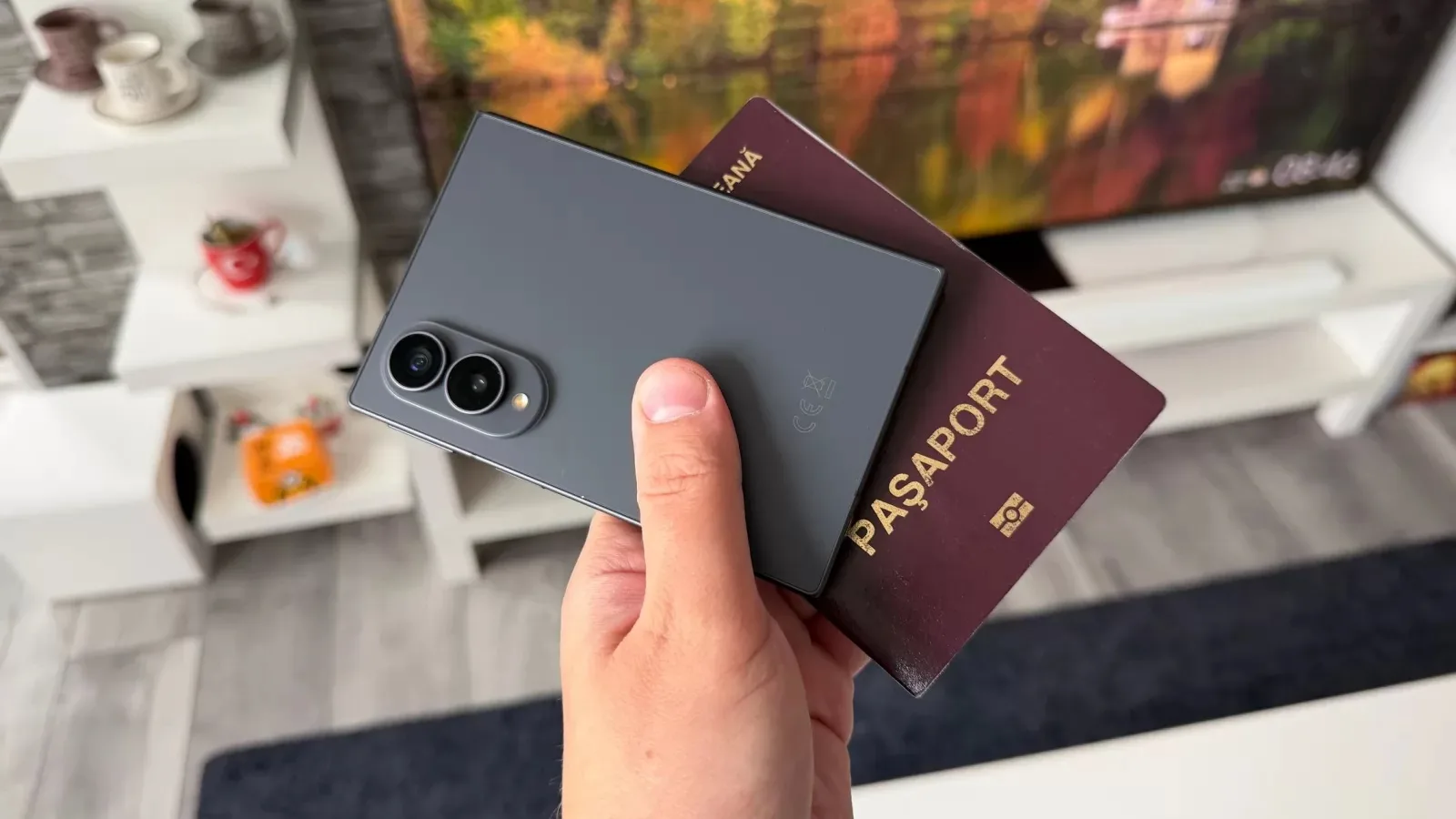
The smartphone industry is quietly rethinking how foldable displays should open, as early design choices surrounding the Samsung Galaxy Z Fold series point toward a broader shift toward a shorter, wider “passport” aspect ratio.
Industry trends have repeatedly shown that physical form factors dictate whether a product transitions from a niche enthusiast category into daily mainstream productivity. The emerging passport format addresses long-standing complaints about cramped, overly narrow cover screens that historically made quick tasks awkward to complete while folded.
Market reception in diverse regions underscores this hardware evolution. Data shared by Tiberiu Dobre, Vice President of Samsung Romania and Bulgaria, indicates that consumer adoption for foldables continues to expand alongside traditional flagship lines like the S26 series. Meanwhile, retail distribution networks worldwide—such as Mobile World (Gioi Di Dong) in Vietnam, which utilizes specialized delivery fleets—are mobilizing logistics channels to meet rapid consumer fulfillment demands.
Why the Passport Aspect Ratio is Reshaping Foldable Ergonomics
For years, book-style folding phones favored a tall, narrow outer display that resembled a TV remote control, making typing on the virtual keyboard cramped and difficult. The shift toward a wider, passport-style proportion alters the geometry entirely. When closed, a passport-formatted foldable offers a wider canvas that closely mirrors standard bar-type smartphones. This adjustment eliminates the need for users to unfold the device simply to reply to a quick text message, browse a map, or check an email.
Inside the device, this proportion change creates a more balanced, squarer canvas. While traditional book-style foldables open into an awkward rectangular layout that introduces severe letterboxing for standard video content, a wider base layout optimizes multitasking splits. Running two applications side-by-side feels more natural when each window has an adequate horizontal span.
Consumer Response and Global Retail Momentum
Commercial interest in foldable hardware has transitioned from early-adopter curiosity into steady mainstream purchasing power. Official figures released by Samsung indicate that the Galaxy Z series established a record for the highest number of pre-orders ever recorded. Regional sales patterns reflect this trend; executive commentary from Samsung representatives in Eastern Europe points to robust consumer upgrades moving directly into premium folding categories.
Fulfillment operations have adapted to match this high-tier demand. Major international electronics distributors have deployed dedicated logistics measures to ensure rapid delivery for pre-order customers. In Southeast Asia, large-scale retail networks have organized specialized dispatch teams to handle high-value gadget handovers directly to consumer doorsteps, reflecting the high logistical priority assigned to flagship mobile rollouts.
Hardware Comparisons: Standard Versus Ultra Formats
The passport format establishes a baseline that balances pocket comfort with expansive viewing areas, making it a versatile choice for users who prioritize single-handed exterior usage.
- Exterior Usability: Wider cover screens remove typing friction, enabling full functionality while closed.
- Multitasking Efficiency: Squarer internal dimensions improve side-by-side app partitioning.
- Chassis Proportions: Reduced height and increased width distribute weight more evenly in the hand and pocket.
- Content Consumption: Optimized inner dimensions reduce black bars during video playback compared to ultra-narrow predecessors.
What Comes Next for Mobile Form Factors
As the smartphone market awaits official hardware announcements and regional availability dates for upcoming generations, engineering priorities remain centered on crease reduction, durability ratings, and battery density. Industry watchers anticipate further refinements in hinge mechanics as brands compete to deliver lighter, more durable folding chassis. Official announcements regarding release timelines, pricing tiers, and regional rollout schedules are expected through manufacturer press channels and scheduled product launch events.
What are your thoughts on the shift toward wider, passport-style foldable screens? Join the conversation below by sharing your perspective, and feel free to share this analysis with fellow technology enthusiasts.
Keep reading