
Reports concerning a proposed UFC event on the White House lawn have surfaced, triggering significant debate regarding the intersection of professional combat sports and United States political venues. The potential event, which involves transforming the presidential grounds into a temporary fighting arena, has drawn scrutiny from legal analysts and political commentators alike.
The discussions follow claims that a judicial decision may allow the event to proceed, according to reporting from SBS Australia. While the plans have not been officially confirmed by the White House or the Ultimate Fighting Championship (UFC), the reported intersection of fight culture and political strategy has positioned the event as a major point of contention in the current media landscape.
The controversy centers on the unprecedented nature of hosting a high-impact sporting competition at the seat of the American executive branch. Observers have noted that the move represents a convergence of the UFC’s global brand and the high-stakes environment of Washington, D.C.
Legal challenges and judicial oversight
A central component of the ongoing discussion involves the legal standing of the proposed event. According to reports from SBS Australia, a U.S. judge has reportedly declined to block a UFC event planned for the White House under the administration of Donald Trump. This legal development suggests that, at least regarding certain preliminary injunctions, the path for the event may remain open.
The legal complexities of hosting a private sporting organization on federal property involve various regulatory hurdles. These include security protocols managed by the Secret Service, land-use permits for the White House grounds, and compliance with federal regulations governing public spectacles. While the reported judicial stance provides a potential opening, legal experts note that various administrative and security requirements must still be satisfied before any physical installation of a cage can occur.
The debate over the event has highlighted the tension between private enterprise and the use of public, symbolic spaces. Critics have questioned the precedent set by allowing a commercial sports entity to utilize the White House lawn, while supporters argue that the event reflects the cultural shifts within the American electorate.
The convergence of fight culture and political strategy
The reported event is being characterized by some analysts as a “perfect storm” of combat sports and political maneuvering. According to reports from The Conversation, the potential hosting of the UFC at the White House represents a significant moment where fight culture meets the center of U.S. politics.
This convergence is not merely about the spectacle of the fights themselves but about the demographics and cultural values that the UFC represents. The organization has seen massive growth by tapping into a specific brand of rugged individualism and high-intensity competition—values that often overlap with certain political movements in the United States. By bringing the UFC to the White House, the event would serve as a visible symbol of this cultural alignment.
Media outlets have framed the event through different lenses, creating a contrast in how the story is perceived:
- Political Framing: Outlets such as The Conversation focus on the symbolic weight of the event, examining how combat sports are being integrated into the political identity of the administration.
- Legal Framing: Outlets like SBS Australia emphasize the judicial rulings and the legal battles required to clear the way for such an unprecedented use of federal property.
- Cultural Framing: Other reports focus on the “storylines” and the “numbers to know,” treating the event as a major milestone in the UFC’s expansion into the highest levels of global influence.
This divergence in reporting illustrates how a single event can be viewed simultaneously as a legal precedent, a political statement, and a massive commercial opportunity.
Implications for the UFC and the administration
For the UFC, the potential to host an event at the White House offers a level of mainstream visibility rarely seen in combat sports. The organization, led by CEO Dana White, has long maintained a high profile, but a White House event would elevate the brand from a global sports powerhouse to a central fixture of American institutional life.
The strategic value of such an event extends beyond viewership numbers. It establishes a direct link between the UFC’s audience and the political apparatus of the country. This connection can have long-term implications for how the organization engages with government entities, sports regulation, and international diplomacy.
For the administration, hosting the UFC could serve as a powerful tool for cultural engagement. The UFC boasts a massive, loyal, and highly engaged global following. Aligning the White House with one of the fastest-growing sports in the world provides a platform to reach a demographic that may feel disconnected from traditional political venues. However, this alignment also carries the risk of further polarizing the perception of the White House, as the event could be viewed by opponents as a politicization of a national landmark.
Logistics and the proposed 2026 tour
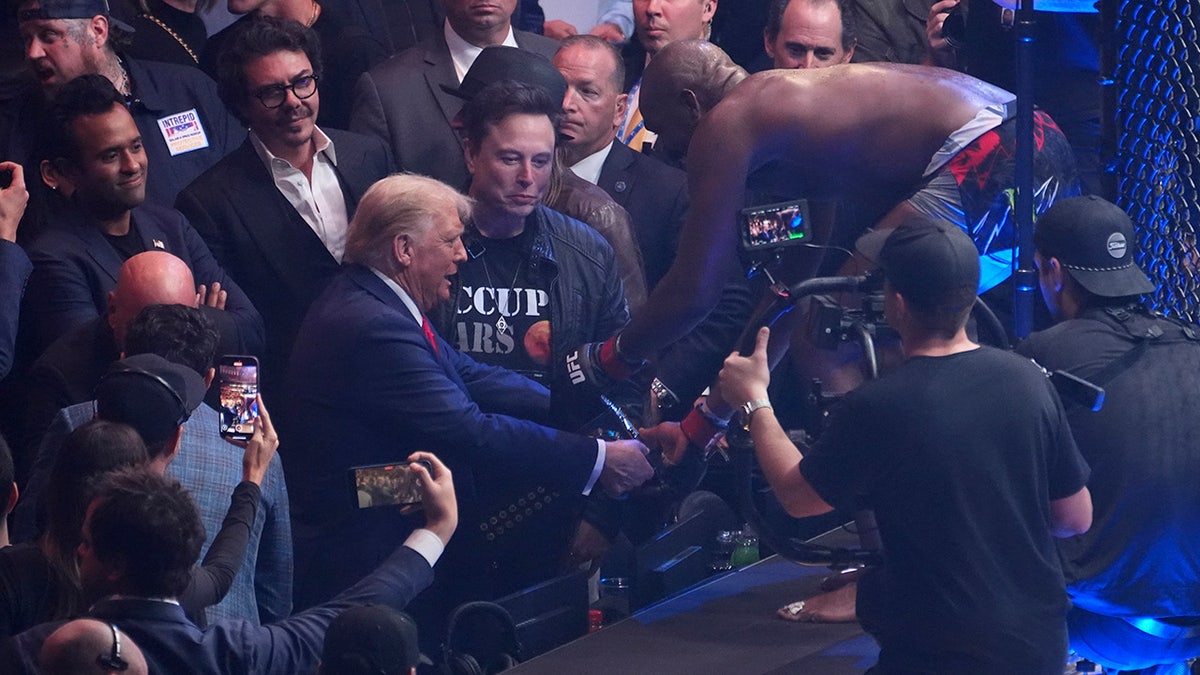
While the immediate focus remains on the legal and political ramifications, details regarding the logistics of the event have also begun to emerge in media reports. According to coverage from 9Now, there are mentions of a “tour of the UFC cage at the White House” linked to a 2026 season.
If these reports are accurate, the event may not be a single standalone occurrence but part of a larger, multi-year engagement or promotional series. A “tour” concept would imply a more structured and recurring presence of the UFC within the political sphere, potentially involving various stages of the White House grounds or satellite events in the surrounding D.C. area.
The logistical requirements for such a feat are immense. Beyond the construction of a temporary arena on the lawn, organizers would need to coordinate with:
- The United States Secret Service: To manage the heightened security risks associated with both high-profile athletes and the presidential residence.
- The National Park Service: Which oversees much of the land surrounding the White House.
- Broadcasting Partners: Such as ESPN, to manage the global technical requirements of a live broadcast from a highly sensitive location.
The scale of such an undertaking would make it one of the most complex sporting events in history, requiring a level of coordination between private corporations and federal agencies that has no direct precedent.
Key Takeaways: The White House UFC Discussion
- Legal Status: Reports suggest a judge has declined to block the event, though official White House confirmation is still pending.
- Cultural Impact: The event is viewed as a significant intersection of combat sports culture and American political identity.
- Strategic Alignment: The move reflects a deepening relationship between the UFC leadership and the current political administration.
- Potential Scale: Some reports suggest the event could be part of a larger promotional tour extending into 2026.
As of the latest reports, no official date has been set for the commencement of construction or the event itself. The next major checkpoint will be any official statement from the White House press office or a formal announcement from UFC headquarters regarding the logistical timeline.
What do you think about the intersection of professional sports and the White House? Should federal landmarks be used for commercial sporting events? Share your thoughts in the comments below and share this article with your network.
Keep reading