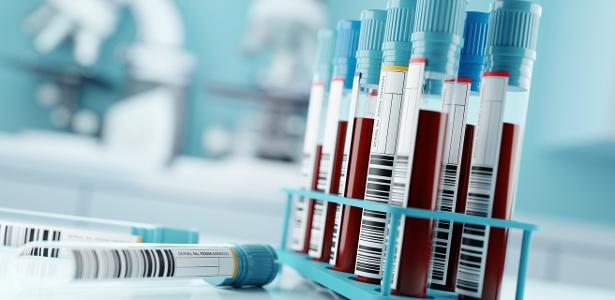
Researchers are increasingly using liquid biopsy technology to detect circulating tumor DNA (ctDNA) in the bloodstream, offering a non-invasive method for identifying cancer markers and, in some cases, determining the primary site of the tumor. These diagnostic blood tests, often referred to as multi-cancer early detection (MCED) tests, analyze genetic fragments shed by tumors into the circulatory system to provide insights into a patient’s oncological profile before traditional imaging might locate a mass.
While these advancements represent a significant shift in oncology, medical professionals emphasize that these tests remain supplementary to established diagnostic protocols rather than a definitive replacement for tissue biopsies. The National Cancer Institute notes that while liquid biopsies can identify tumor-derived material in the blood, the clinical validation of these tests—particularly their ability to accurately pinpoint the tissue of origin across all cancer types—is an ongoing area of rigorous scientific investigation.
How Liquid Biopsy Identifies Cancer
The core mechanism behind modern cancer blood tests involves the detection of somatic mutations and epigenetic changes in cell-free DNA (cfDNA). When cancer cells undergo apoptosis or necrosis, they release fragments of their DNA into the bloodstream. According to the U.S. Food and Drug Administration (FDA), liquid biopsies are currently utilized primarily for patients who have already been diagnosed with cancer to help guide treatment decisions, such as identifying specific genetic mutations that respond to targeted therapies.

The challenge in early detection lies in the low concentration of ctDNA in the blood of patients with early-stage or small, localized tumors. Newer platforms utilize advanced sequencing techniques and machine learning algorithms to distinguish between healthy cfDNA and tumor-derived fragments. By analyzing methylation patterns—chemical tags on the DNA that dictate gene expression—these tests aim to predict the anatomical site where the cancer originated, providing clinicians with a “tissue of origin” signal to guide follow-up diagnostic imaging.
Clinical Utility and Current Limitations
The primary benefit of liquid biopsy is its minimally invasive nature compared to surgical or needle biopsies. However, the medical community maintains a cautious stance regarding their use as primary screening tools for the general population. The American Cancer Society advises that these tests have not yet been fully integrated into standard cancer screening guidelines, such as those for breast, colorectal, or lung cancer, which rely on mammograms, colonoscopies, and low-dose CT scans.

A critical concern for clinicians is the risk of false positives, which can lead to psychological distress, unnecessary invasive procedures, and the potential over-diagnosis of indolent tumors that might not have caused clinical harm. Furthermore, the sensitivity of these tests varies significantly depending on the stage of the cancer; they are generally more effective at detecting late-stage disease than early-stage, asymptomatic cancers. Researchers are currently conducting large-scale clinical trials to determine the long-term impact of MCED tests on mortality rates and overall patient outcomes.
The Future of Personalized Oncology
As diagnostic technology evolves, the role of liquid biopsy is expected to expand beyond initial detection. Beyond identifying the presence and location of a tumor, these tests are being evaluated for their ability to monitor treatment response in real-time. By tracking changes in the levels of ctDNA, oncologists may be able to determine if a specific chemotherapy or immunotherapy regimen is effectively reducing the tumor burden long before changes are visible on a PET or CT scan.
This approach is a cornerstone of precision medicine, allowing for the rapid adjustment of treatment plans based on the molecular evolution of the tumor. While the integration of these tests into routine practice is still maturing, the World Health Organization continues to emphasize that early diagnosis through established, evidence-based screening programs remains the most effective strategy for improving survival rates globally.
Next Steps for Patients
Patients interested in the availability of liquid biopsy testing should consult with an oncologist or a genetic counselor to discuss whether such testing is appropriate for their specific clinical situation. As of 2024, many of these tests are primarily available through clinical trials or specialized diagnostic centers. Patients should be wary of any commercial diagnostic claims that promise a “cure-all” test and should ensure that any diagnostic blood work is ordered and interpreted by a licensed medical professional.

The field continues to see rapid developments as regulatory bodies, including the FDA and the European Medicines Agency, review new data from ongoing longitudinal studies. Readers are encouraged to monitor updates from their national health ministries and major oncology associations for the latest clinical guidelines. World Today Journal will continue to track peer-reviewed research and regulatory announcements regarding these diagnostic technologies as they become available.
Keep reading