
Uganda Commences Kidepo International Airport Project to Unlock Karamoja Economic Potential
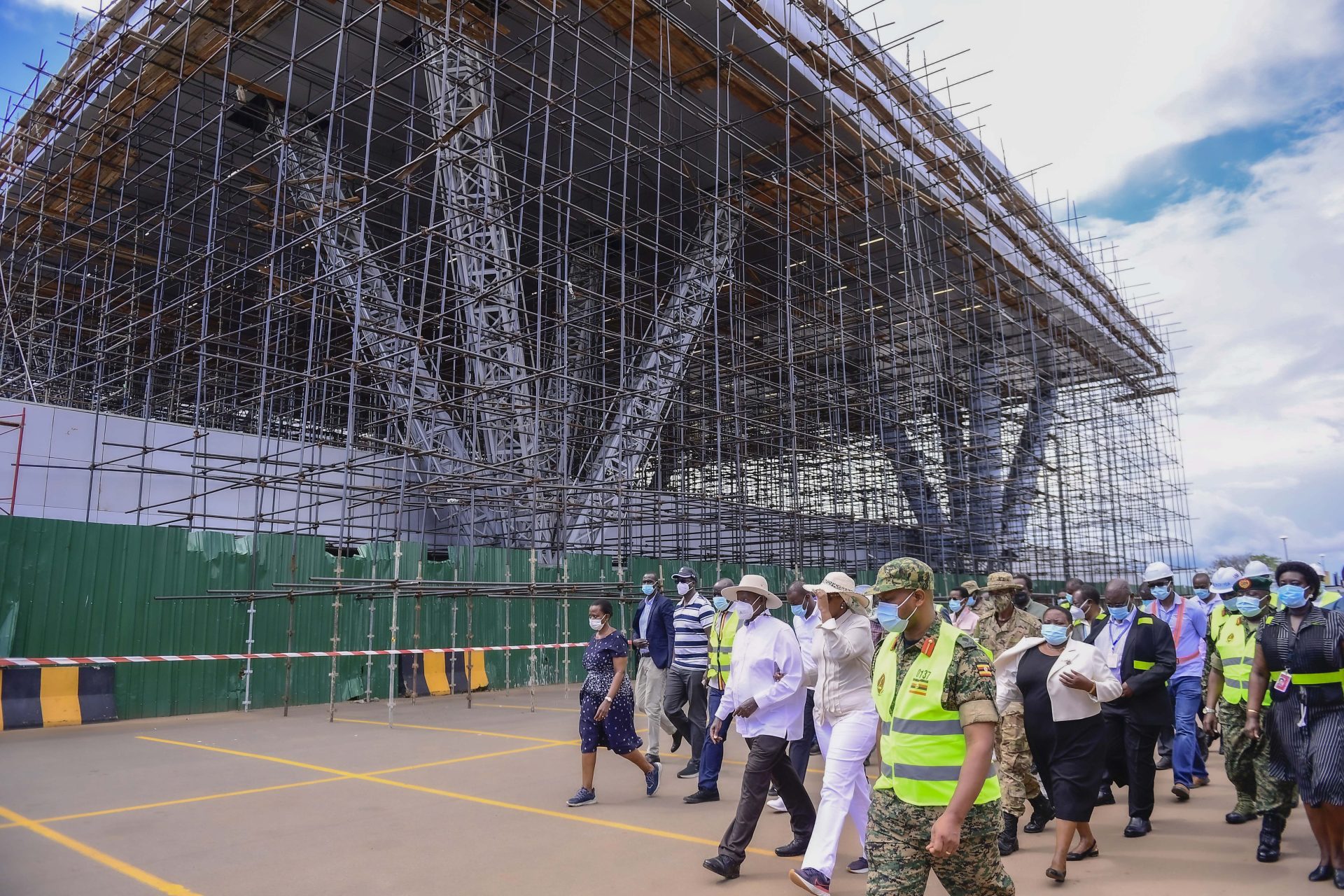
The Ugandan government has initiated the groundbreaking for Kidepo International Airport, a strategic infrastructure project intended to transition the Karamoja sub-region from a state of humanitarian dependency to a center of commercial activity. By establishing a direct aviation link to one of East Africa’s most remote wilderness areas, officials aim to integrate the Karamoja region into the national “money economy” through expanded tourism, improved trade logistics, and increased agricultural exports.
The development of the airport is positioned as a central component of a broader regional strategy to reposition Karamoja. For decades, the sub-region has been defined in international reporting by challenges including food insecurity, cattle rustling, and poverty. However, the new infrastructure project seeks to leverage the region’s untapped natural resources, specifically within the Kidepo Valley National Park, to drive sustainable economic growth.
How Kidepo International Airport Aims to Transform Karamoja’s Economy
The construction of Kidepo International Airport is intended to serve as a catalyst for multi-sectoral development rather than a standalone transport project. According to regional development frameworks, the airport is expected to provide the necessary connectivity to transform Karamoja from the margins of the Ugandan economy into a significant growth frontier.

Infrastructure experts suggest that the airport will facilitate several key economic shifts:
- Tourism Expansion: Providing direct access for international travelers to the Kidepo Valley National Park.
- Logistical Support for Exports: Enabling the rapid transport of high-value goods such as honey, leather products, and specialized agricultural produce.
- Investment Attraction: Reducing the perceived “remoteness” of the region to encourage private sector interest in hospitality and manufacturing.
- Livestock Industry Modernization: Supporting the transition of the local cattle industry from subsistence to commercial scales through improved supply chain links.
The project arrives as the Ugandan government continues to prioritize regional integration, moving away from the era of relief-based interventions toward long-term productive investment. This shift is designed to address the systemic issues that have historically characterized the Karamoja sub-region.
Bridging the Accessibility Gap in East African Tourism
Accessibility has long been cited as the primary barrier preventing Karamoja from competing with established safari destinations in Kenya, Tanzania, and Rwanda. While Kidepo Valley National Park is frequently recognized by conservationists as one of Africa’s premier wilderness destinations, the logistical difficulty of reaching the site has limited its commercial exploitation.
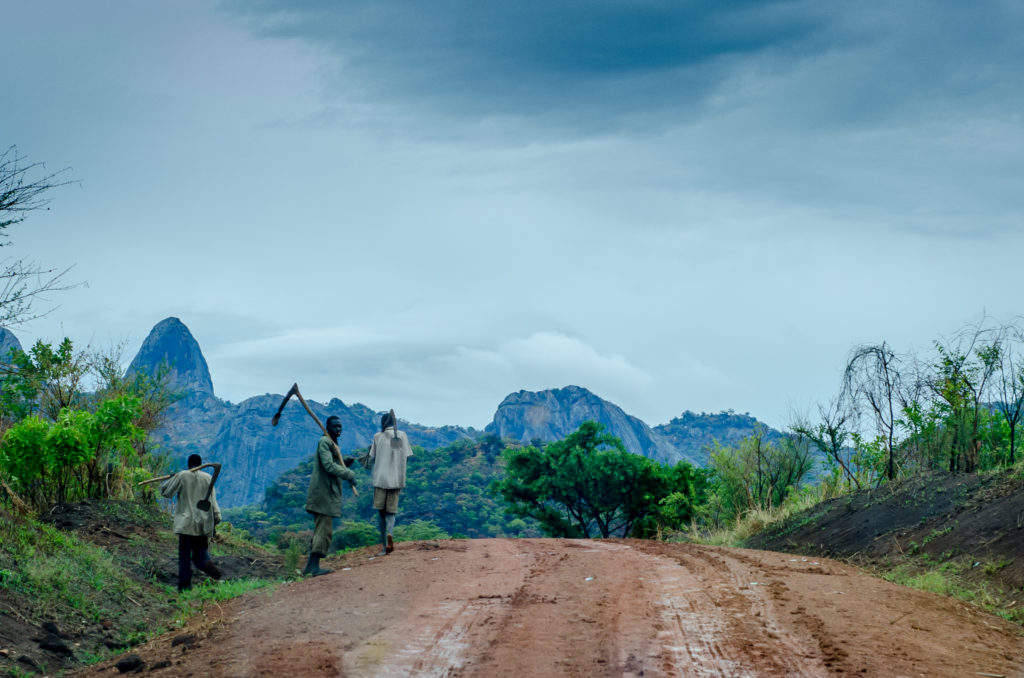
Currently, travelers attempting to reach the Karamoja region must often endure eight to ten hours of travel on challenging road networks. This transit time frequently leads tour operators and international tourists to select more accessible destinations in the Nile corridor or the Queen Elizabeth National Park areas. The new international airport is expected to reduce this travel time to a matter of hours, allowing for direct connections from major Ugandan hubs.
The Uganda Wildlife Authority oversees the management of the nation’s protected areas, and the integration of Kidepo Valley into the mainstream tourism circuit is seen as a vital step in diversifying the country’s tourism portfolio. By providing a flagship destination in the northeast, Uganda can better compete for the global safari market, which is increasingly looking for authentic and less-crowded wilderness experiences.
Beyond Tourism: Strengthening Trade and Agricultural Exports
While tourism is a primary driver for the airport, the project’s economic utility extends into the logistics of regional trade. The Karamoja sub-region possesses significant potential in several commodity sectors that require efficient transport links to reach domestic and international markets.
The livestock industry remains a cornerstone of the Karamoja economy. Improved aviation and transport infrastructure could allow for better management of livestock value chains, including the export of hides and skins. Furthermore, the region’s production of honey, minerals, and various agricultural products can benefit from the reduced transit times and improved logistics provided by a modern airport facility.
Investors who previously viewed the region as too isolated for large-scale operations may find the improved connectivity a decisive factor in establishing presence in the sub-region. This potential for private sector involvement is critical for the long-term sustainability of the economic transition, as it moves the region toward a model of enterprise and production.
The Role of the ‘Money Economy’ in Regional Development
President Yoweri Museveni has frequently advocated for a national transition toward a “money economy,” a policy aimed at moving citizens from subsistence farming and barter-based systems into formal, commercialized markets. During recent discussions regarding regional development, the President has challenged the people of Karamoja to embrace commercial agriculture, services, and manufacturing as the primary engines of wealth creation.
This policy shift emphasizes that sustainable development is achieved through productive investment rather than continued humanitarian dependency. The Kidepo International Airport project aligns with this mandate by providing the physical infrastructure necessary for commercial activities to flourish. By facilitating the movement of goods and people, the government intends to create a cycle of employment and market expansion for local communities.
What Happens Next for Karamoja’s Development?
The completion of the airport runway is only the first phase of a much larger developmental requirement. For the airport to function as an economic engine, several secondary infrastructure and policy goals must be met. Economic analysts note that the success of the project depends on coordinated action between the public and private sectors.
Immediate requirements for the region include:
- Road Network Upgrades: Improving the connections between the airport and major tourism sites and agricultural hubs.
- Hospitality Development: Encouraging the construction of eco-lodges, hotels, and conference facilities to accommodate increased visitor numbers.
- Community Empowerment: Ensuring local populations are integrated into the tourism value chain through cultural tourism, traditional crafts, and guided services.
- Resource Management: Balancing increased commercial activity with the conservation needs of the Kidepo Valley ecosystem.
As the construction progresses, stakeholders will be looking for official updates from the Uganda Civil Aviation Authority regarding construction timelines and operational readiness. The ability of the government to synchronize airport operations with broader regional development strategies will determine whether the project achieves its goal of transforming Karamoja into a cornerstone of Uganda’s economic future.
The next scheduled update regarding the project’s construction milestones is expected following the next quarterly infrastructure review by the Ministry of Works and Transport.
What do you think about this major infrastructure shift in Uganda? Share your thoughts in the comments below and share this article with your network.
Related reading