
Iranian Foreign Minister Abbas Araghchi stated on Friday that negotiations regarding a draft agreement with the United States have reached their final stages, with the possibility of a remote signing occurring within the coming days. The proposed framework is expected to address the United States’ naval presence and the future administration of the Strait of Hormuz, according to official statements from the Iranian Foreign Ministry.
The announcement comes amid heightened regional tensions regarding maritime security and the control of critical energy transit routes in the Middle East. While the specific terms of the “war deal” mentioned by Araghchi have not been fully disclosed to the public, the focus on the Strait of Hormuz indicates that maritime sovereignty and the prevention of naval blockades are central to the diplomatic push.
Negotiations Advancing on Maritime Security and Naval Presence
According to Araghchi, the current diplomatic efforts are focused on resolving long-standing disputes over naval operations in the Persian Gulf and the Gulf of Oman. The foreign minister indicated that the negotiations have progressed to a point where a formal document is being prepared for signature. The mention of a “remote” signing suggests that high-level officials may finalize the agreement through digital or teleconferenced channels rather than a traditional in-person summit at a neutral location.
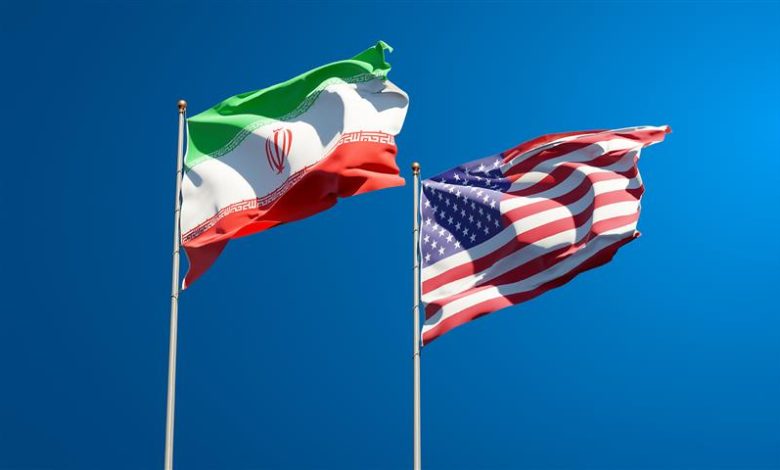
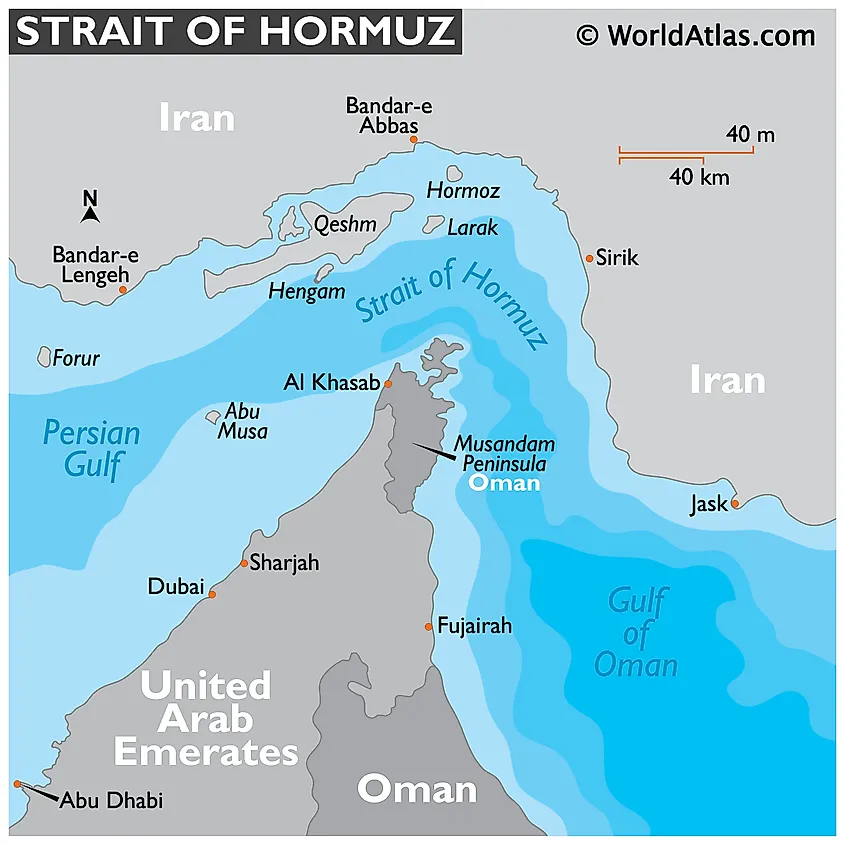
The proposed framework reportedly seeks to mitigate the impact of a U.S. naval blockade, a point of contention that has frequently escalated tensions between Tehran and Washington. For years, the presence of the United States Fifth Fleet, headquartered in Bahrain, has been a focal point of Iranian security concerns. Araghchi’s comments suggest that the upcoming agreement may establish new protocols for how naval assets operate in proximity to Iranian territorial waters and international shipping lanes.
Diplomatic observers note that the administration of the Strait of Hormuz remains one of the most sensitive issues in Middle Eastern geopolitics. As an international waterway, the strait is governed by the United Nations Convention on the Law of the Sea (UNCLOS), which dictates the rights of “transit passage” for vessels. However, Iran has frequently asserted its rights to regulate traffic within its territorial waters that overlap with the strait, leading to periodic legal and military friction with Western powers.
The Strategic Importance of the Strait of Hormuz
The Strait of Hormuz serves as the world’s most vital oil transit chokepoint. At its narrowest, the shipping lanes are only about two miles wide in each direction, making the passage highly susceptible to disruption from military action or political instability. The ability of any single nation to influence or block this passage has profound implications for global energy security.
Data from the U.S. Energy Information Administration (EIA) shows that approximately 20% of the world’s total oil consumption passes through the Strait of Hormuz daily. Furthermore, a significant portion of the Liquefied Natural Gas (LNG) exported from Qatar also relies on this single passage. Any disruption to the flow of tankers through the strait typically results in immediate volatility in global Brent crude prices and natural gas futures.
The “administration” of the strait, as mentioned by Araghchi, likely refers to the management of maritime traffic, the enforcement of environmental regulations, and the coordination of security patrols. A formal agreement that clarifies these roles could reduce the risk of accidental military encounters between Iranian naval forces and international coalitions, such as the International Maritime Security Construct (IMSC).
US Naval Presence and Regional Stability
The United States maintains a significant naval footprint in the region to ensure the “freedom of navigation” in accordance with international law. The U.S. Navy’s presence is intended to protect commercial shipping from piracy, state-sponsored interference, and unconventional threats. However, Tehran has frequently characterized these deployments as an provocative presence designed to exert pressure on the Iranian government.
If the draft agreement includes provisions for a reduced U.S. naval blockade or a change in how the U.S. monitors the Strait of Hormuz, it would represent a significant shift in regional security architecture. Analysts suggest that such a deal could move the relationship from one of active confrontation toward a structured, albeit tense, coexistence centered on maritime law.
The involvement of the United States in these negotiations remains a critical variable. While Araghchi has signaled progress from the Iranian side, the U.S. State Department has not yet issued an official confirmation regarding the specific contents of the draft agreement or the timeline for a remote signing. Historically, agreements involving the U.S. and Iran, such as the Joint Comprehensive Plan of Action (JCPOA), have required extensive verification mechanisms to ensure compliance from both parties.
Global Economic Implications of a Maritime Agreement
The potential for a signed agreement provides a degree of predictability that energy markets often lack. Financial analysts at major global institutions have frequently warned that the “geopolitical risk premium” applied to oil prices is directly tied to the perceived stability of the Strait of Hormuz. A formal framework addressing the naval blockade could lead to a reduction in this premium, potentially stabilizing energy costs for global consumers.

Conversely, the failure of these negotiations would likely see a return to heightened maritime tensions. Recent years have seen several incidents involving the seizure of tankers and the deployment of unmanned aerial vehicles (UAVs) in the region, which have contributed to spikes in shipping insurance premiums. For global logistics companies and oil majors, a clear, signed agreement would offer the legal and operational certainty required for long-term planning in the Middle East.
The transition from “war” or active conflict to a diplomatic framework would also impact the broader economic landscape of the Middle East, potentially encouraging foreign direct investment in regional infrastructure projects that have been sidelined due to security concerns. However, the effectiveness of such an agreement will depend heavily on the enforcement mechanisms and the ability of both nations to adhere to the agreed-upon administrative roles in the strait.
The next anticipated development in this process will be an official statement from the United States government or the Iranian Foreign Ministry regarding the status of the draft document. Observers are monitoring for any confirmation of the “remote signing” date mentioned by Araghchi.
What are your thoughts on the potential for a maritime agreement in the Strait of Hormuz? Share this article and join the conversation in the comments below.
Related reading