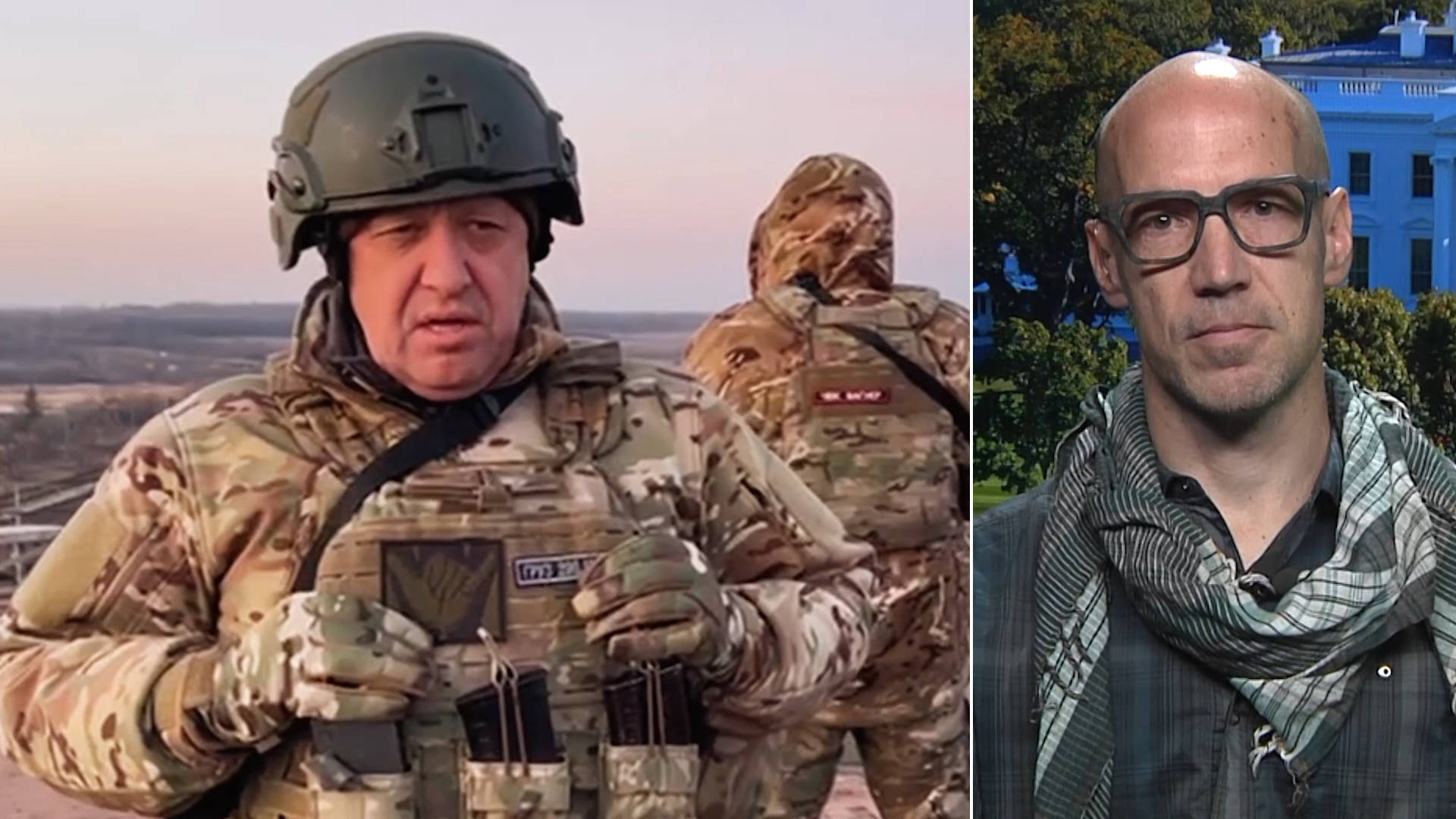
The rise of the Wagner Group and the broader proliferation of private military companies are the subjects of the new documentary Hell’s Army, which examines how the model of state-aligned mercenary forces persists following the death of its founder, Yevgeny Prigozhin. The film, directed by Oscar-nominated filmmaker Rick Rowley, explores the geopolitical reach of these organizations and their roles in conflicts across Ukraine, Africa, and the Middle East. The documentary is scheduled for its North American premiere this Friday in Washington, D.C.
Yevgeny Prigozhin, who established the Wagner Group as a shadow military force, initially served as a close associate of Russian President Vladimir Putin before leading a short-lived armed mutiny against the Russian defense establishment in June 2023. According to official reports from Russian investigators, Prigozhin died in a plane crash in the Tver region on August 23, 2023. While the Kremlin denied involvement in the incident, the event marked a turning point in the oversight of Russian paramilitary operations.
“We realized that he could be killed, the leader of this army could be killed, but its model continues,” Rowley stated regarding the film’s central thesis. The documentary argues that the privatization of warfare has become a systemic issue, with various actors—including oligarchs and state entities—utilizing mercenary armies to exert influence while maintaining a degree of plausible deniability. Rowley characterizes this trend as a “scourge” that requires international attention.
The Evolution of Mercenary Operations
The Wagner Group gained international notoriety for its deployment in the Donbas region of Ukraine starting in 2014, as well as its involvement in resource-rich nations such as the Central African Republic, Mali, and Libya. Research by the Combating Terrorism Center at West Point indicates that these groups often provide a mechanism for governments to conduct high-risk military operations without the political fallout associated with regular army casualties. By operating outside the formal chain of command, these entities can bypass international humanitarian oversight.
Following Prigozhin’s death, the Russian state moved to consolidate control over the remnants of his business empire. Reports from the BBC suggest that the Russian Ministry of Defence began absorbing Wagner’s assets into a new state-controlled structure, effectively rebranding the mercenary units under the Africa Corps or similar designations. This transition demonstrates the state’s recognition of the strategic value these paramilitary forces provide in securing regional influence.
Geopolitical Implications of Private Armies
The proliferation of private military companies (PMCs) creates significant challenges for international law, specifically regarding accountability for war crimes and human rights abuses. According to the United Nations Office of the High Commissioner for Human Rights, the use of mercenaries in conflict zones has been linked to arbitrary detentions, torture, and summary executions. These entities often operate in a legal grey area where the host nation lacks the capacity—or the will—to prosecute them.
Rowley’s film emphasizes that the Wagner model is not an isolated Russian phenomenon but a reflection of a global shift toward the outsourcing of state violence. As private military entities become more integrated into national security strategies, the risk of escalation in regional conflicts increases. The documentary serves as an investigation into how these forces are funded, how they recruit, and the long-term impact on global stability.
The Future of Paramilitary Oversight
With the North American premiere of Hell’s Army, discussions surrounding the regulation of private military actors are expected to gain momentum in policy circles. Currently, the primary legal framework governing such groups is the Montreux Document, a non-binding international agreement that outlines the obligations of states regarding private military and security companies during armed conflict. However, critics argue that the document lacks the enforcement mechanisms necessary to curb the actions of state-backed mercenaries.
The next major checkpoint for international discourse on this topic will likely occur during upcoming sessions of the UN Working Group on the use of mercenaries, which regularly reviews reports on the impact of private military activities on the enjoyment of human rights. As the landscape of modern warfare continues to shift, the debate over whether to formalize or eliminate these organizations remains a primary concern for international security analysts.
For more updates on the screening schedule or to view official press materials regarding the documentary, interested parties should consult local D.C. arts and media listings. Readers are encouraged to share their perspectives on the role of private military companies in the comments section below.
Keep reading