
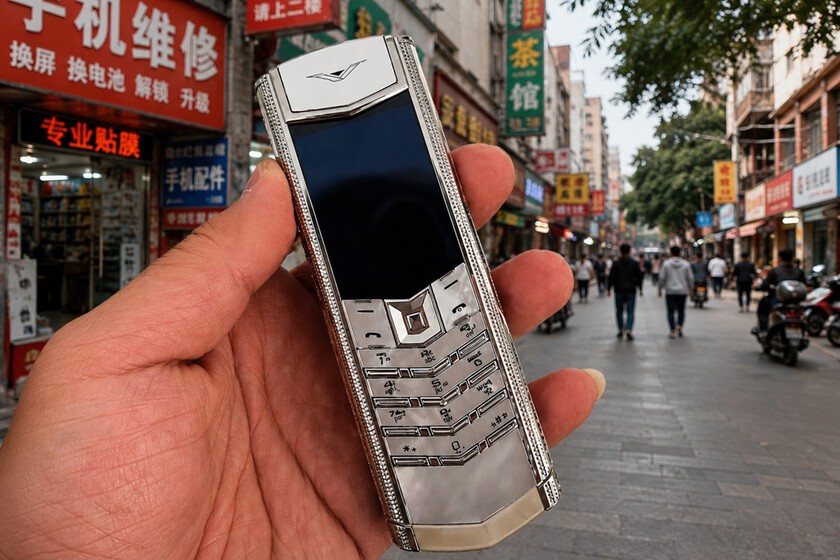
Luxury mobile devices, once the pinnacle of status and craftsmanship, are increasingly facing obsolescence as modern network infrastructure leaves high-end vintage hardware behind. A prime example of this technological decline is the Vertu smartphone, a brand formerly synonymous with premium materials like sapphire crystal and hand-stitched leather, which now finds its older models relegated to decorative status due to the global shutdown of 2G and 3G networks.
For owners of these devices—some of which retailed for as much as €38,000—the transition from a functional piece of jewelry to a non-functional paperweight highlights the fragility of luxury tech in a rapidly evolving digital ecosystem. While Vertu transitioned through various ownership structures, including a 2012 sale by Nokia to the private equity firm EQT Partners, the core limitation remains the hardware’s inability to interface with contemporary 4G and 5G standards, according to historical industry records from the Financial Times.
The Evolution of Luxury Mobile Obsolescence
The core issue facing owners of legacy luxury phones is not a lack of physical durability, but a fundamental shift in cellular telecommunications. Most Vertu devices manufactured between 2010 and 2015 were designed to operate on GSM and 3G networks. As mobile carriers globally move toward network sunsetting—the process of decommissioning older spectrums to reclaim space for more efficient 5G services—these devices lose their ability to make calls, send texts, or access data.

This reality creates a significant gap between the perceived value of a luxury asset and its functional utility. Unlike high-end mechanical watches, which rely on independent, timeless physics, mobile hardware is tethered to the proprietary infrastructure of service providers. When those providers, such as AT&T or Vodafone, finalize the retirement of their legacy bands, the software and radio frequency modules inside these luxury units become permanently disconnected from the world.
Why High-End Hardware Cannot Bypass Network Restrictions
The technical constraint is absolute: a device cannot connect to a network for which it lacks the necessary antenna hardware and software protocols. Even if a user were to attempt to “jailbreak” or modify a Vertu, the physical hardware is hard-coded for older frequency bands. According to analysis from the GSMA, the retirement of 2G and 3G is a global trend driven by the need to optimize spectral efficiency, leaving no room for legacy devices to maintain connectivity regardless of their original price point.

Furthermore, the software ecosystem presents a secondary hurdle. Most vintage Vertu phones operated on early versions of the Android operating system or proprietary platforms that are no longer supported. This means that even if a user could connect to a cellular signal, the device would be unable to run modern applications, security patches, or even basic encrypted messaging services. The lack of software support makes these phones vulnerable to security risks, rendering them unsuitable for daily use by modern standards.
The Future of Digital Collectibles
While the utility of these devices as phones has effectively ceased, a secondary market for “digital curiosities” remains. Collectors often view these items through the lens of industrial design rather than utility. The craftsmanship involved—often including exotic materials like alligator skin, gold plating, and synthetic sapphire screens—remains a draw for those interested in the history of consumer electronics.
However, prospective buyers should be aware that these items are now strictly decorative. The depreciation curve for luxury tech is significantly steeper than that of luxury mechanical goods. While a vintage Patek Philippe maintains or increases in value, a 2015-era Vertu represents a cautionary tale in the lifecycle of digital products. For current owners, the most practical path forward is to treat the device as a display piece or a historical artifact of the pre-smartphone-standardization era.
There are no upcoming industry initiatives or manufacturer-led software updates that will restore functionality to these legacy devices. Users seeking to maintain a connection to the brand should consult the official Vertu corporate website for information on their current product lineup, which utilizes modern 5G technology. For those who own legacy units, the devices will remain restricted to offline functions, such as local media playback or calendar usage, provided the internal batteries remain operational. Readers are encouraged to share their experiences with legacy technology in the comments below.