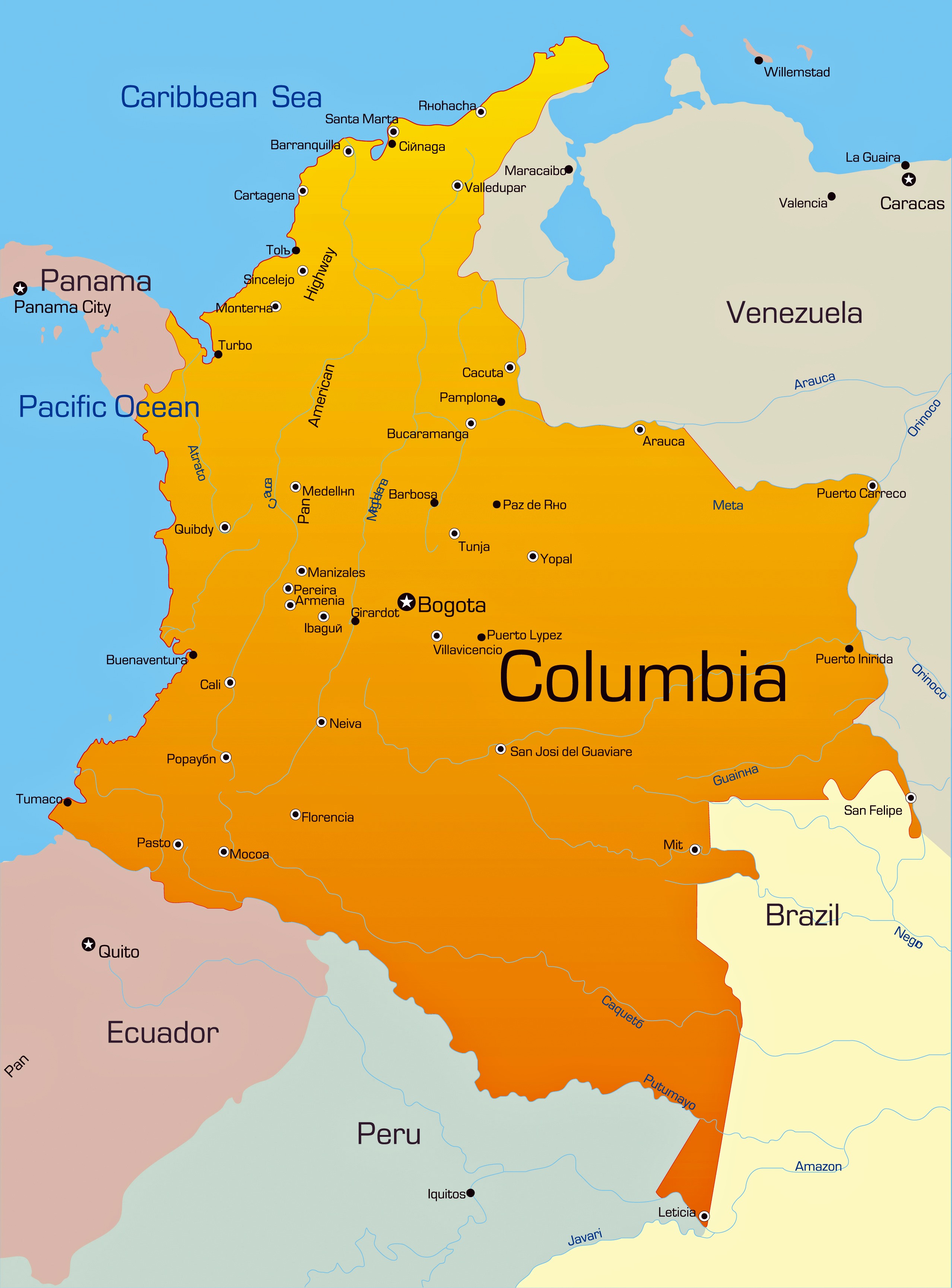
Abelardo de la Espriella has been elected president of Colombia following the 2026 general elections, marking a significant shift in the nation’s political trajectory. The victory, which analysts describe as a move toward a populist, right-leaning administration, has prompted immediate reactions from global leaders, including U.S. President Donald Trump, who publicly claimed credit for the outcome. De la Espriella, a prominent lawyer and political figure, has pledged a transition period focused on national unity, stating, “No habrá vencedores ni vencidos, no habrá persecuciones,” during his victory address.
The transition of power in Colombia, a critical strategic partner for the United States in South America, is being closely monitored by international observers and financial markets. While supporters view the result as a mandate for change, the economic sector has reacted with caution. According to reports from the Bolsa de Valores de Colombia, financial markets showed a contraction in enthusiasm following the announcement, reflecting investor uncertainty regarding the incoming administration’s fiscal policies and long-term economic stability.
The U.S. Response and Trump’s Commentary
Following the declaration of the election results, U.S. President Donald Trump issued a statement attributing the success of the De la Espriella campaign to his own political influence. Addressing the media, Trump remarked, “Me gusta la gente a la que yo le gusto,” suggesting a direct ideological alignment between his brand of populism and the platform promoted by the Colombian president-elect. This rhetoric has fueled debates among political scientists regarding the future of the bilateral relationship between Washington and Bogotá.

For decades, the U.S.-Colombia relationship has been anchored by cooperation on counternarcotics, trade, and regional security. The incoming administration’s alignment with Trump’s political style suggests potential shifts in how these priorities will be managed. Analysts from the Wilson Center’s Latin American Program note that while the strategic partnership remains robust, the shift in leadership style may alter the diplomatic tone and the specific mechanisms of cooperation, particularly regarding regional migration and security treaties.
Economic Sentiment and Market Reaction
The immediate reaction from the financial sector has been characterized by a cooling of sentiment. Following the confirmation of the election results, national indices experienced volatility as investors assessed the potential for regulatory changes. According to the Banco de la República, the central bank of Colombia, maintaining economic stability during the transition period remains a primary mandate, though the bank has not yet issued a formal policy shift in response to the new administration.

Market analysts cited in reports from regional financial news outlets suggest that the uncertainty stems from the president-elect’s proposed economic reforms. De la Espriella, who campaigned on a platform of private sector revitalization, faces the challenge of balancing these promises with the fiscal constraints inherited from the previous administration. The volatility in the Colombian peso, as tracked by Reuters, underscores the sensitivity of international investors to the political transition in the region’s third-largest economy.
Transition and Political Consolidation
In his victory speech, President-elect De la Espriella emphasized the necessity of reconciliation, seeking to mitigate concerns regarding political polarization. His promise of “no persecution” is aimed at both his political opposition and the broader civil society, which remains deeply divided following a heated campaign cycle. This rhetoric is viewed by some as an attempt to consolidate power early and prevent the gridlock that has hindered past administrations.
The formal inauguration is scheduled to take place in August 2026, in accordance with the Colombian Constitution. Between now and the transition of power, the current government and the incoming team are expected to begin the standard exchange of information regarding the national budget, ongoing security operations, and international commitments. The Registraduría Nacional del Estado Civil, which oversees electoral processes in Colombia, has finalized the vote counts, confirming the legitimacy of the results despite isolated protests reported in major urban centers.

As the country prepares for this new chapter, the international community will focus on how the incoming administration manages internal social movements and its commitment to existing human rights frameworks. The next significant checkpoint for the administration will be the appointment of the cabinet, which is expected to signal the ideological direction of the new government and its approach to legislative negotiations.
Readers are encouraged to follow official updates through the Presidencia de la República portal as the transition process progresses. Share your thoughts on the future of Colombian politics in the comments section below.
Keep reading
- Tracking Infectious Diseases Through Airport and Aircraft Wastewater Surveillance
- US Military Begins Troop Withdrawal From Iraq Ahead of September Deadline
- Trump Media Reports $238m Loss Amid Crypto Declines (archyworldys.com)
- How Tech and Utility Firms Influence Regulators via Donations and Secret Retreats (archynewsy.com)