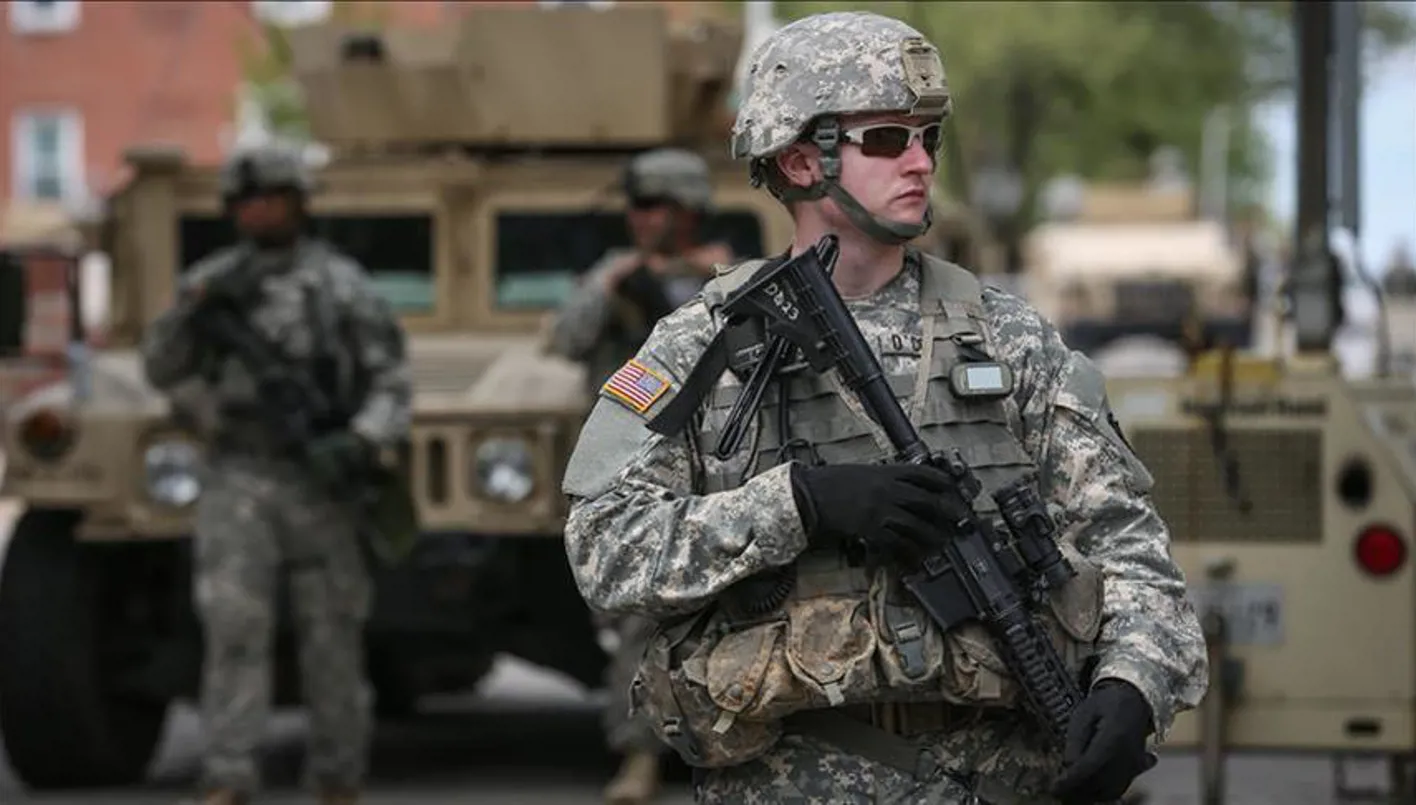
The United States military has begun withdrawing troops and equipment from Erbil as part of a scheduled timeline to end its military presence in Iraq by September 30. Iraqi leaders emphasize that local security forces will take full command of ongoing counter-terrorism operations against groups like ISIS.
The military draw-down has been underway for approximately three weeks, according to two Kurdish officials who spoke with foreign press. The departure marks the conclusion of a military footprint that began with the 2003 invasion to overthrow Saddam Hussein. While American forces withdrew from various bases across Iraq over the previous year while maintaining a presence in the semi-autonomous Kurdistan Region, the exact number of remaining personnel and their exact distribution have not been made public.
Leadership and Timeline for the Final Military Exit
Following the meeting, the prime minister’s office released a statement reaffirming that September 30 serves as the final, fixed deadline for ending the military mission of the international coalition against ISIS and completing the withdrawal of its forces.
As international forces prepare to depart, questions remain regarding who will manage the ongoing fight against extremist groups. Officials note that official Iraqi forces, alongside Peshmerga units and other regional security forces, will assume full responsibility for directing these confrontations.
Regional Diplomacy and the Future of Armed Factions
Parallel to the government’s transition timeline, diplomatic and political maneuvering has intensified. Esmail Ghaani, the commander of the Quds Force within Iran’s Islamic Revolutionary Guard Corps, conducted an unannounced, multi-hour visit to Baghdad. Local sources report that Ghaani held separate meetings with political leaders within the Coordination Framework and commanders of Iraqi armed factions.
Discussions during those meetings centered on the management of factional weaponry and how armed groups should respond to the governmental deadline. Informed sources indicate that the Iranian commander delivered a dual message: maintaining armed capabilities to counter perceived regional threats while simultaneously avoiding any direct confrontation with official Iraqi security forces.