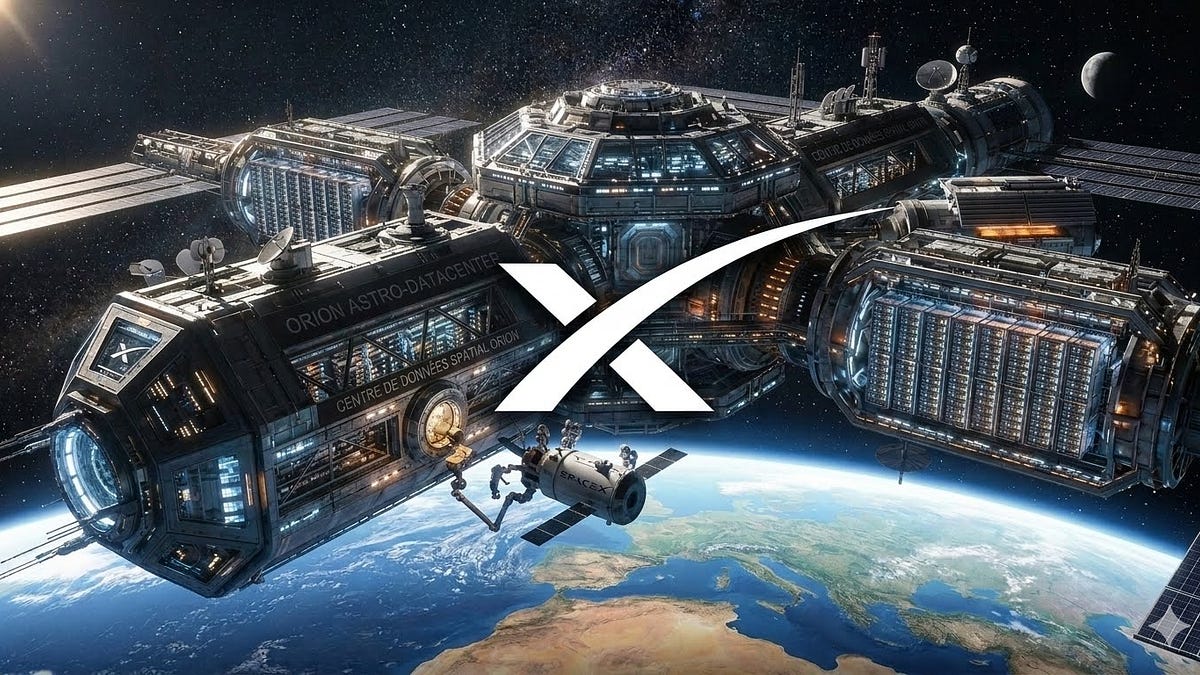
SpaceX, the private aerospace company led by Elon Musk, continues to dominate global market discussions regarding a potential initial public offering (IPO) that could reshape the space economy. While the company has not officially announced a date for going public, its valuation has surged toward approximately $210 billion, driven largely by the commercial success of its Starlink satellite internet division.
Investors and analysts closely monitor the company’s financial health as it balances the high costs of developing the Starship launch system with the massive revenue potential of its satellite constellation. Unlike many of its competitors, SpaceX remains a private entity, allowing it to fund long-term, capital-intensive research and development without the immediate pressure of quarterly earnings reports required by public markets.
The current state of SpaceX valuation
As of mid-2024, SpaceX maintains a massive valuation through private secondary market transactions. According to reports from Reuters, the company’s valuation has seen significant upward movement as investors seek exposure to the “new space” economy. While specific stock prices are not publicly traded on major exchanges like the NYSE or NASDAQ, secondary markets allow employees and early investors to trade shares, providing a real-world benchmark for the company’s worth.

Financial analysts suggest that the company’s ability to secure high valuations in private rounds is a direct result of its dominance in the launch market. SpaceX currently maintains a significant lead in the number of successful orbital launches annually, largely through its Falcon 9 reusable rocket platform. This operational efficiency provides a stable cash flow that offsets the experimental nature of its Starship program.
The distinction between current private valuations and a potential future IPO price remains a central point of debate among financial experts. While some speculative models suggest various price points for a future public debut, the actual market entry price would depend on the macroeconomic environment and the specific timing of the company’s decision to transition from private to public status.
How Starlink drives IPO speculation
The most significant catalyst for a potential SpaceX IPO is Starlink, the company’s satellite-based internet service. Industry experts frequently point to Starlink as the primary engine that could eventually justify a public listing. As the constellation grows, the service provides a recurring, high-margin revenue stream that contrasts with the more cyclical nature of government and commercial launch contracts.
According to data analyzed by Bloomberg, the expansion of Starlink’s subscriber base is critical to the company’s long-term valuation. The service targets a global audience, including remote areas with limited terrestrial connectivity, which provides a massive total addressable market (TAM). This scalability is a key metric that public market investors typically value highly.
The relationship between Starlink and SpaceX’s overall financial structure is complex. While Starlink generates the revenue necessary to fund other ambitious projects, such as Mars colonization efforts, the capital expenditure required to maintain and launch new satellites is immense. A public offering could provide the massive influx of capital needed to sustain this growth without further diluting private ownership.
Challenges to going public
Despite the intense interest, SpaceX faces several hurdles that may delay an initial public offering. One of the primary factors is the company’s strategic preference for private control. Maintaining private status allows Elon Musk and his leadership team to make high-risk, high-reward decisions—such as the rapid iterative testing of Starship—without the scrutiny of public shareholders who might prioritize short-term stability over long-term innovation.
Regulatory oversight also plays a significant role. SpaceX operates under the strict jurisdiction of the Federal Aviation Administration (FAA) and other international bodies. Any significant shift in its operational capacity or a major mishap during testing can impact investor confidence and, by extension, the company’s perceived value in the eyes of potential public shareholders.
Furthermore, the capital requirements for the Starship program are unprecedented. Developing a fully reusable heavy-lift launch vehicle involves significant technical and financial risks. For many analysts, the decision to go public will likely hinge on whether SpaceX can demonstrate a predictable path to profitability for both the launch and satellite internet segments simultaneously.
Comparison of SpaceX Market Segments
| Segment | Primary Revenue Driver | Market Maturity | Risk Profile |
|---|---|---|---|
| Launch Services | Falcon 9/Heavy contracts | High | Moderate |
| Starlink | Global satellite internet subscriptions | Growing | High (Capital Intensity) |
| Starship Development | Future heavy-lift/Mars missions | Experimental | Very High |
Frequently asked questions about SpaceX investing
Can I buy SpaceX stock right now?
Currently, SpaceX is a private company, meaning its shares are not available for purchase on standard brokerage platforms like Robinhood or Fidelity. Access to SpaceX equity is generally limited to institutional investors, venture capital firms, and employees through secondary market platforms.

What would a SpaceX IPO mean for the space industry?
An IPO would likely provide a massive liquidity event for the sector and could trigger a wave of further public offerings from other aerospace and satellite companies. It would also provide a transparent benchmark for valuing space-based technologies.
How does Starlink affect SpaceX’s valuation?
Starlink is viewed as the “high-growth” component of the company. While launch services provide the foundation, Starlink’s ability to scale globally as a telecommunications provider is what drives the multi-hundred-billion-dollar valuation estimates.
Why hasn’t SpaceX gone public yet?
The company has successfully raised billions in private capital, reducing the immediate need for a public offering. Additionally, the private structure allows for the long-term, high-risk development of Starship without the pressure of meeting quarterly public earnings expectations.
The next major indicators for SpaceX’s financial and operational trajectory will be the upcoming Starship flight test results and the quarterly subscriber growth reports for Starlink. Investors will be watching these milestones to gauge the company’s readiness for a potential transition to the public markets.
What are your thoughts on SpaceX’s valuation? Do you believe a Starlink spin-off is more likely than a full SpaceX IPO? Let us know in the comments below and share this article with your network.