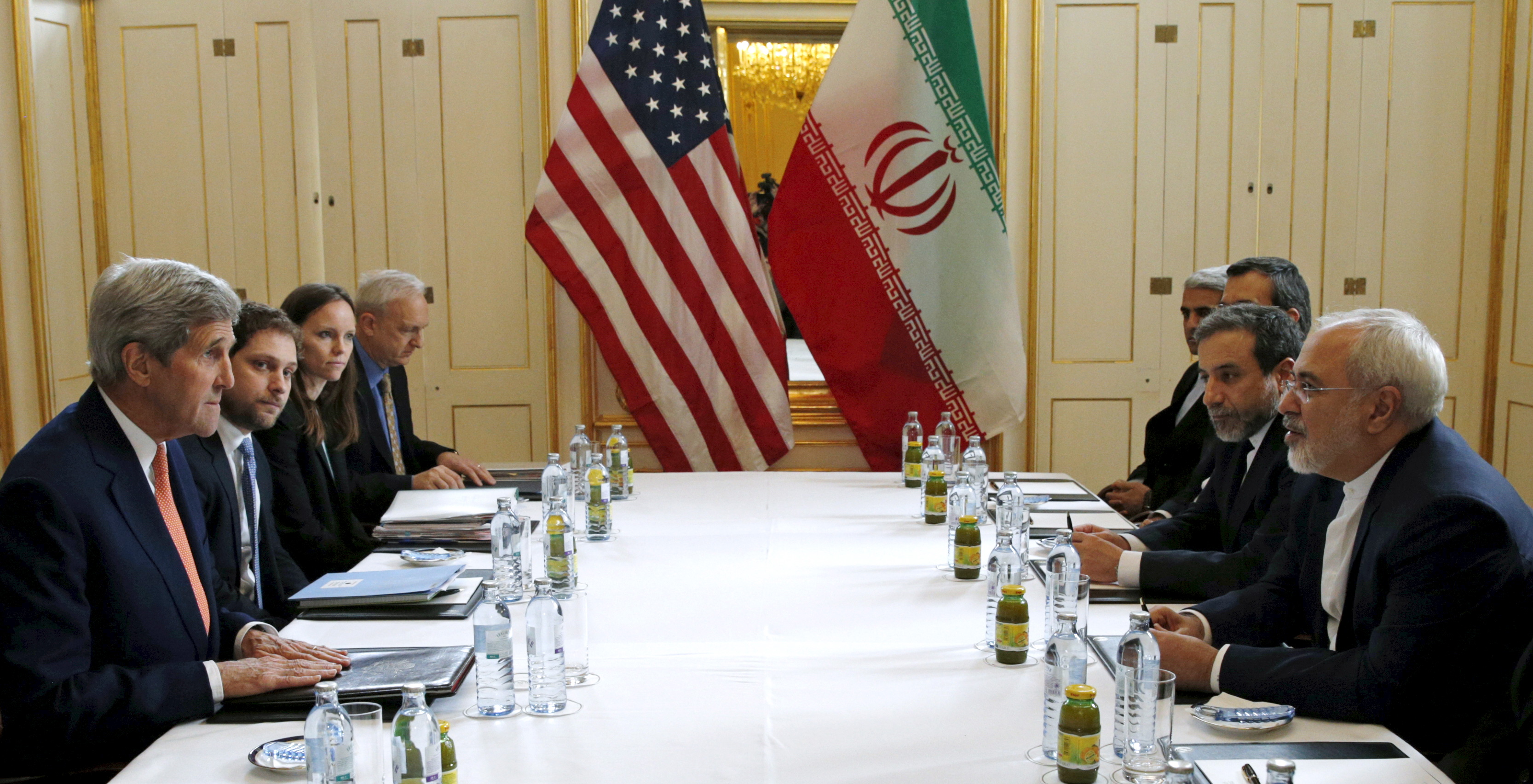
The United States and Iran are reportedly moving toward an electronic signing of a memorandum of understanding (MoU) to bypass significant logistical and political obstacles. According to reports from Axios, the decision to utilize a digital format rather than a physical summit is driven by the complexities of arranging high-level diplomatic meetings in neutral territories.
This potential shift in diplomatic procedure comes as negotiators seek to formalize a framework between Washington and Tehran. While traditional high-stakes diplomacy often relies on the visual theater of handshakes in cities like Geneva or Vienna, the reported move toward a remote signing suggests a pragmatic approach to modern geopolitics.
The development has drawn intense scrutiny from international observers, as the method of signing can often signal the level of political capital a government is willing to invest in a deal. A digital signature may minimize the domestic political “optics” for both administrations while still establishing a functional diplomatic channel.
Why are the U.S. and Iran considering an electronic signing?
The primary driver for an electronic signing process is logistical efficiency and the avoidance of political friction. According to reports from Axios, the move is intended to streamline the finalization of the memorandum of understanding without the need for the extensive security, travel, and hosting arrangements required for a physical summit.
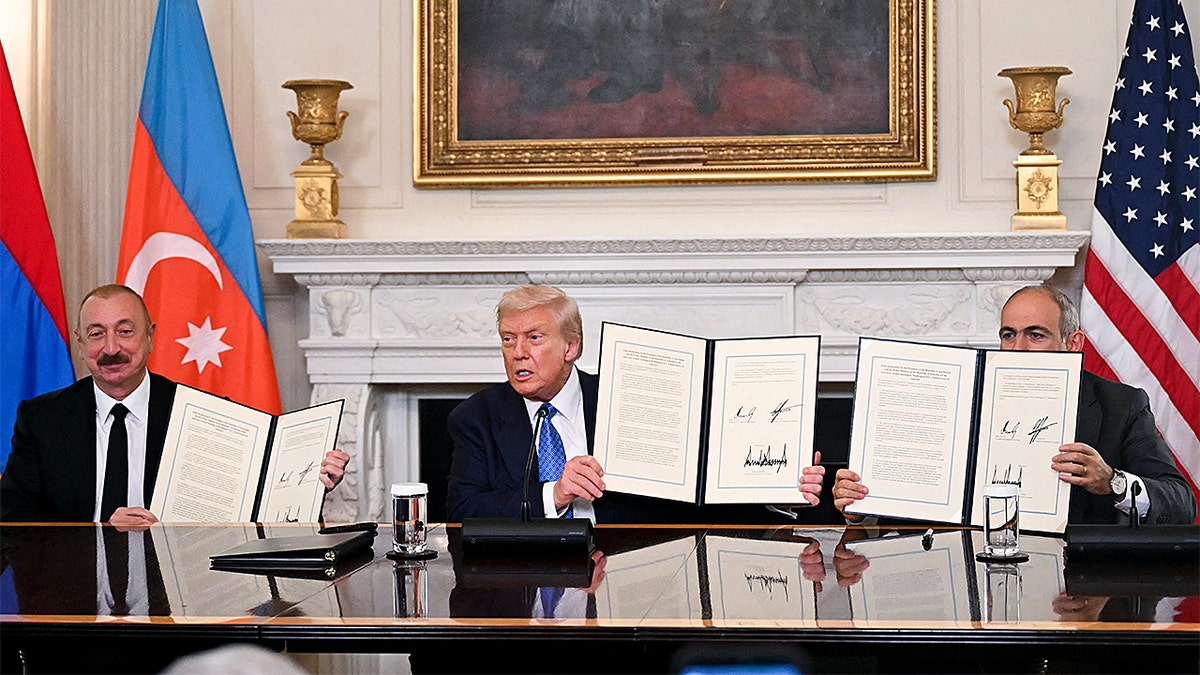
Officials have provided context to CNN regarding the choice of a digital format. The electronic approach allows both parties to finalize the terms of the agreement without the immediate pressure of a public, high-profile event that could trigger domestic backlash in either Washington or Tehran. By removing the physical venue, negotiators can focus on the technicalities of the document rather than the choreography of the ceremony.
Furthermore, the electronic method mitigates the complexities of finding a “neutral” ground that both sides can agree upon. Previous negotiations have frequently centered on Switzerland, specifically Geneva and Vienna, but the logistical burden of hosting such sensitive talks can be prohibitive.
The debate over signing locations: Geneva, Vienna, or remote?
For decades, Geneva and Vienna have served as the primary stages for U.S.-Iran diplomacy. However, the prospect of a physical signing ceremony has faced growing uncertainty. Reports from Sabq have highlighted the debate over whether the agreement will be finalized in these traditional European hubs or conducted entirely via remote channels.

A physical summit in Geneva or Vienna would require:
- Extensive diplomatic coordination with Swiss or Austrian authorities.
- High-level security protocols to protect participating officials.
- Management of intense international media presence.
By opting for a remote signing, the parties can bypass these requirements. This approach also addresses the “secretive” nature of recent negotiations, as a physical meeting would likely draw immediate attention from intelligence agencies and global media outlets, potentially complicating the delicate stages of the agreement.
What is the scope of the reported U.S.-Iran Memorandum of Understanding?
While the specific technical details of the memorandum of understanding (MoU) remain closely guarded, high-level sources have offered glimpses into its potential impact. A U.S. official told Al Arabiya that they believe they have reached a “strong agreement” with Iran, though the exact parameters of this strength have not been publicly released.
An MoU typically functions differently than a formal treaty. In international law, a memorandum of understanding is often a non-binding or semi-binding agreement that outlines a framework for cooperation. This distinction is critical in the context of U.S.-Iran relations, where formal treaties often face significant legislative hurdles in the United States Congress.
The reported agreement is expected to address several key pillars of the bilateral relationship, including:
- Frameworks for nuclear monitoring and compliance.
- Mechanisms for de-escalation in regional hotspots.
- Potential pathways for the easing of specific economic tensions.
The use of an MoU allows both governments to establish a baseline of cooperation without the immediate legal permanence of a treaty, providing a “testing ground” for more formal diplomatic engagement.
Geopolitical implications and regional stability
The move toward a digital or remote agreement carries significant implications for Middle Eastern stability. If the reported “strong agreement” holds, it could provide a period of relative predictability in a region characterized by high volatility.
However, the decision to sign electronically also reflects the deep-seated mistrust that remains between the two nations. A remote signing can be interpreted in two ways: as a pragmatic tool for efficiency, or as a sign that neither side is yet ready to commit to the public vulnerability of a face-to-face meeting.
For regional stakeholders, the focus remains on whether this memorandum will lead to tangible changes in Iranian nuclear activity or if it serves merely as a temporary diplomatic pause. The effectiveness of the MoU will ultimately be measured by its ability to move beyond a signed document and into verifiable, on-the-ground compliance.
Key Takeaways
- Method: The U.S. and Iran are reportedly pursuing an electronic signing of an MoU to avoid logistical and political hurdles.
- Reasoning: Axios reports that digital signing bypasses the need for high-security, high-profile summits in neutral cities.
- Status: A U.S. official told Al Arabiya that the current agreement is considered “strong.”
- Location: Traditional diplomatic hubs like Geneva and Vienna are being bypassed in favor of remote coordination.
- Nature of Deal: The agreement is framed as a memorandum of understanding (MoU), which may offer more flexibility than a formal treaty.
The next major checkpoint in this process will be the official confirmation of the agreement’s terms from the U.S. State Department or the Iranian Foreign Ministry. Until such a statement is issued, the details of the MoU remain subject to verification.
What do you think about the shift toward digital diplomacy in high-stakes international negotiations? Share your thoughts in the comments below and share this article with your network.