
Oracle has released critical security patches to address a vulnerability in its PeopleSoft software that has been exploited by the cybercriminal group ShinyHunters. The group has reportedly targeted educational institutions, including schools and universities, to gain unauthorized access to sensitive data. Organizations using PeopleSoft are urged to apply the latest security updates immediately to prevent further exploitation.
The vulnerability allows attackers to bypass certain security protocols within the PeopleSoft environment, potentially granting them access to highly sensitive human resources and financial records. While Oracle has moved to patch the flaw, the active exploitation by ShinyHunters indicates that several institutions may have already been compromised. Security analysts suggest the campaign specifically focuses on the education sector due to the high volume of personally identifiable information (PII) stored within these systems.
What is the Oracle PeopleSoft vulnerability?
Oracle’s PeopleSoft is a widely used Enterprise Resource Planning (ERP) suite that manages critical business functions, including payroll, human resources, and student information systems. Because these systems serve as a central repository for an organization’s most sensitive data, they are high-value targets for sophisticated threat actors.
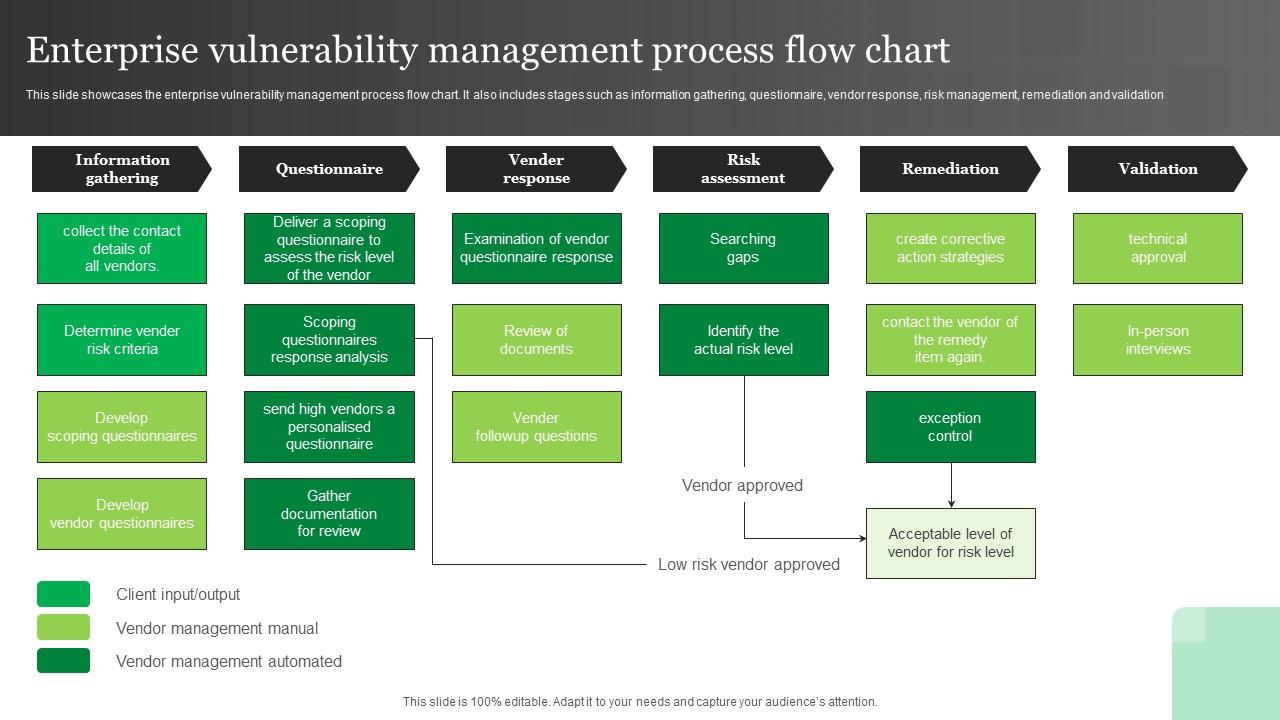
The vulnerability in question, which functions as a zero-day exploit when identified in the wild, enables unauthorized users to circumvent authentication measures. Once inside the system, attackers can move laterally to access databases containing social security numbers, banking details, and academic records. Oracle addressed these concerns in its recent Critical Patch Update (CPU), which provides the necessary fixes to close these security gaps.
Security researchers note that zero-day vulnerabilities are particularly dangerous because they are discovered by attackers before the software vendor has a chance to release a fix. By the time a patch is available, the window of opportunity for exploitation has already been partially utilized by groups looking to harvest data quickly.
Who is the ShinyHunters threat group?
ShinyHunters is a notorious cybercriminal collective known for large-scale data theft and extortion. Unlike groups that focus on ransomware—where data is encrypted and held for payment—ShinyHunters typically specializes in exfiltrating massive datasets to sell on dark web forums or to use for direct extortion against the victimized companies.
The group has a history of high-profile breaches, including major attacks on global brands and service providers. Their tactics often involve identifying unpatched or poorly configured enterprise software to gain an initial foothold in a network. By targeting ERP systems like PeopleSoft, ShinyHunters can achieve much higher “yields” per attack, as a single successful breach can provide access to millions of individual records.
Cybersecurity experts have observed that the group’s ability to pivot from initial access to deep data exfiltration is a hallmark of their operational efficiency. Their targeting of the education sector aligns with a broader trend of cybercriminals seeking out institutions that manage vast amounts of PII but may lack the specialized cybersecurity resources found in the banking or defense sectors.
Why are schools and universities being targeted?
Educational institutions represent a unique challenge for cybersecurity professionals. Universities often operate with decentralized IT structures, making it difficult to maintain uniform security standards across all departments and campus systems. This fragmentation creates “blind spots” that attackers like ShinyHunters can exploit.

The data stored within PeopleSoft systems at universities is exceptionally valuable on the black market. This includes:
- Student Records: Names, addresses, dates of birth, and academic history.
- Financial Data: Tuition payment information, bank account numbers, and tax records.
- Employee Information: Payroll details, social security numbers, and contact information for faculty and staff.
Beyond the immediate financial value of the data, the breach of an educational institution can lead to long-term identity theft for students and faculty. Furthermore, the reputational damage and potential legal liabilities under regulations such as the Family Educational Rights and Privacy Act (FERPA) or the General Data Protection Regulation (GDPR) can be devastating for academic organizations.
How to protect PeopleSoft environments from exploitation
To mitigate the risk of a ShinyHunters-style attack, IT administrators must move beyond basic perimeter defense and adopt a more proactive security posture. The following steps are essential for securing PeopleSoft installations:
1. Immediate Patch Management
The most critical step is the immediate application of Oracle’s latest security patches. Organizations should not delay these updates, as the availability of the patch often triggers a race between defenders and attackers to secure the environment.
2. Implement Zero Trust Architecture
The concept of “never trust, always verify” is vital for ERP security. By implementing strict identity and access management (IAM) protocols, organizations can ensure that even if an attacker gains access to one part of the network, they cannot easily move into the PeopleSoft core.
3. Enhanced Logging and Monitoring
Security teams should monitor PeopleSoft logs for unusual activity, such as unexpected administrative logins, bulk data exports, or access attempts from unrecognized geographic locations. Early detection of these anomalies can mean the difference between a contained incident and a massive data breach.
4. Data Encryption and Segmentation
Encrypting sensitive data both at rest and in transit provides a final layer of defense. Additionally, segmenting the PeopleSoft environment from the rest of the general campus network can limit the ability of an attacker to move laterally through the institution’s infrastructure.
Comparing ERP Vulnerability Trends
The exploitation of PeopleSoft follows a pattern seen in other major enterprise software suites. While the specific technical flaws vary, the strategic intent remains the same: targeting the “crown jewels” of an organization’s data architecture.

| Target System Type | Primary Attacker Goal | Common Exploitation Method | Typical Victim Sector |
|---|---|---|---|
| ERP (e.g., PeopleSoft) | Mass Data Exfiltration | Authentication Bypass / Zero-Day | Education, Government, Finance |
| CRM (e.g., Salesforce) | Customer Data Theft | API Misconfiguration | Retail, Tech, Healthcare |
| Cloud Infrastructure | Resource Hijacking / Ransomware | Credential Stuffing / Misconfigured Permissions | SaaS Providers, Tech Startups |
| Email Servers | Business Email Compromise (BEC) |
This comparison highlights why the PeopleSoft vulnerability is particularly concerning for the education sector. Unlike CRM or cloud infrastructure breaches, which might target customer lists or computing power, an ERP breach hits the very foundation of an institution’s operational and personal data.
The next confirmed checkpoint for organizations will be the monitoring of upcoming security advisories from Oracle and updates from cybersecurity intelligence firms regarding the movement of stolen data associated with the ShinyHunters group. IT departments should remain on high alert for any indicators of compromise related to their PeopleSoft instances.
If you found this analysis helpful, please share it with your IT and security colleagues. Let us know in the comments how your organization is approaching ERP security in the comments below.