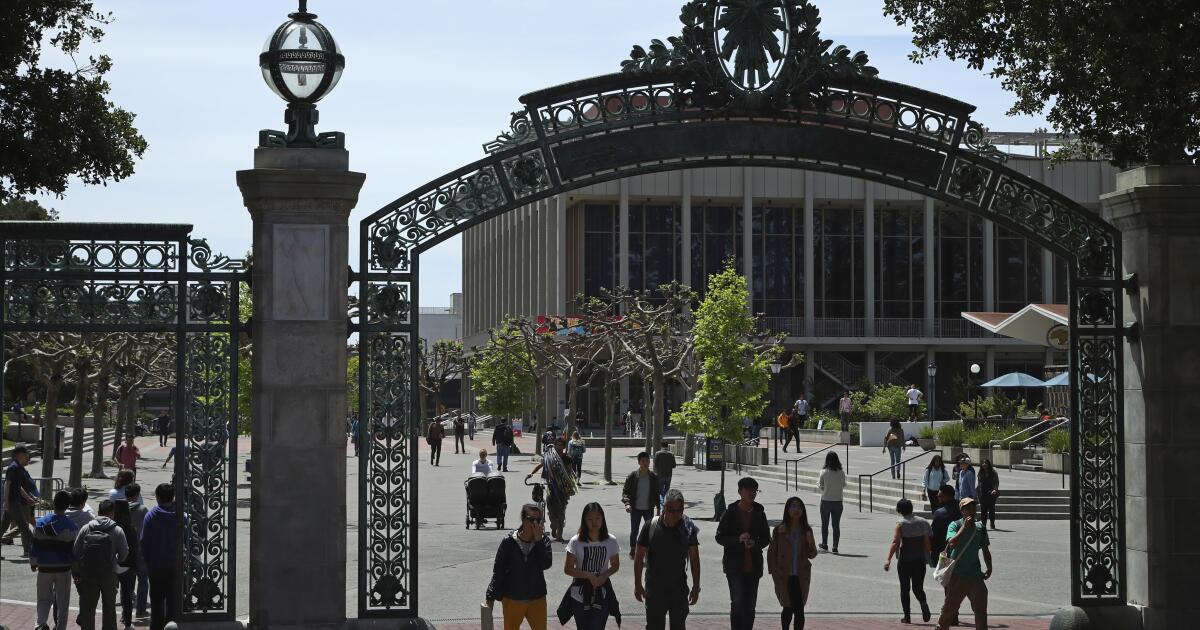
Chinese authorities have accused a Myanmar national and doctoral student at the University of California, Berkeley, of espionage, according to reports regarding the student’s recent travel to China for academic research. The individual, identified as a political dissident from Myanmar, was reportedly detained by Chinese security forces after entering the country for academic purposes.
The detention of the UC Berkeley researcher has raised immediate concerns regarding the safety of international scholars and the expanding scope of China’s national security laws. While the specific details of the espionage allegations have not been released by Beijing, the incident follows a pattern of increased scrutiny toward foreign academics and political activists operating within Chinese borders.
Why is a UC Berkeley student facing espionage charges in China?
Chinese security officials have alleged that the student’s activities within the country constituted espionage, though they have provided no specific evidence to the public. The student, a PhD candidate at UC Berkeley, had traveled to China to conduct academic work, a common practice for doctoral researchers seeking primary sources or specific regional data. According to reports, the transition from academic researcher to espionage suspect occurred shortly after the student’s arrival.
The ambiguity surrounding the charges is a frequent characteristic of the Chinese legal system’s handling of national security cases. Under the revised Anti-Espionage Law, which took effect in July 2023, the definition of espionage was significantly broadened. The law now encompasses not only the theft of state secrets but also the acquisition of “documents, data, materials, or items related to national security and interests,” a phrasing that human rights organizations argue is overly vague and can be applied to routine academic research.
Legal experts suggest that the student’s status as a Myanmar dissident may play a role in the authorities’ scrutiny. China maintains complex diplomatic relations with the Myanmar military junta, and any individual known for opposing the current administration in Naypyidaw may face heightened surveillance or suspicion when crossing Chinese territory.
The background of the Myanmar dissident and academic context
The student’s identity as a dissident from Myanmar places the case within the broader context of the political instability in Southeast Asia. Since the February 2021 military coup in Myanmar, thousands of activists, students, and professionals have fled the country or sought refuge in academic institutions abroad to escape persecution. For many Myanmar nationals studying in the United States, academic research often intersects with the documentation of human rights issues or political developments in their home country.
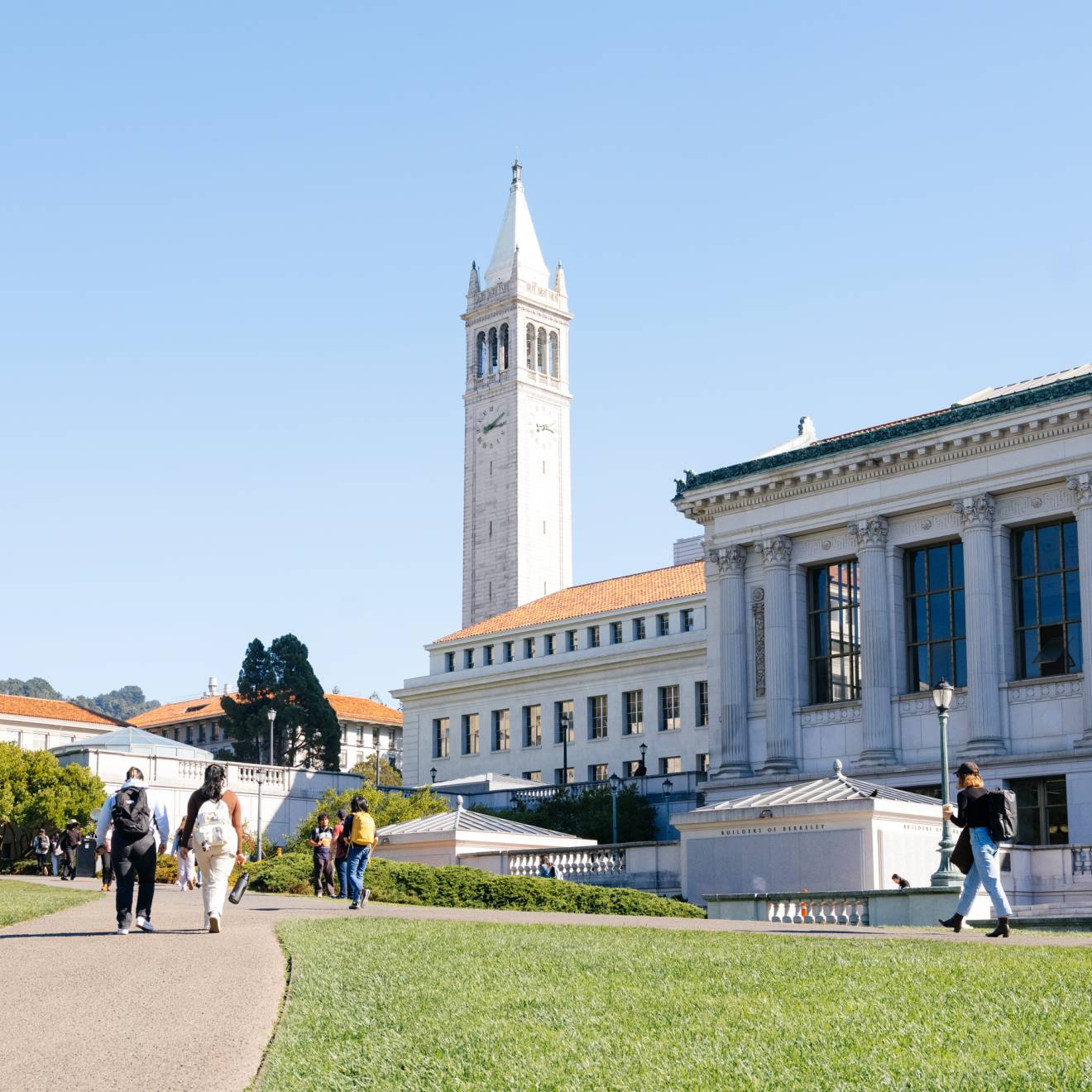
At the University of California, Berkeley, the student was engaged in doctoral-level research. Academic institutions globally have expressed growing concern that the “securitization” of research—where scientific or social inquiry is treated as a threat to state stability—is creating a “chilling effect” on international collaboration. This phenomenon discourages students from traveling to certain regions for field research, fearing that standard data collection could be misinterpreted as intelligence gathering.
The intersection of political activism and academic pursuit is particularly sensitive in China. While many international students travel to China for language studies or regional history, those with ties to political movements in neighboring countries often find themselves under the gaze of the Ministry of State Security. The detention of a high-profile student from a major American institution like UC Berkeley underscores the risks inherent in these academic exchanges.
How China’s expanded espionage laws affect international scholars
The detention of the UC Berkeley student highlights a significant shift in how China manages foreign presence within its borders. The 2023 expansion of espionage laws has fundamentally changed the risk profile for researchers, journalists, and NGO workers. To understand the impact, it is necessary to compare the previous legal environment with the current one.
| Feature | Pre-2023 Espionage Framework | Post-2023 Anti-Espionage Law |
|---|---|---|
| Scope of Information | Primarily focused on classified state secrets. | Includes any data or materials related to “national security and interests.” |
| Definition of “Secret” | Specific, government-defined classifications. | Vague and broadly interpreted by security agencies. |
| Research Impact | Standard academic field work was generally permitted. | Routine data collection may be flagged as suspicious. |
| Regulatory Oversight | Targeted at intelligence professionals. | Applies to a wide range of foreign nationals, including students. |
This legal evolution means that even non-sensitive information—such as economic statistics, demographic data, or sociological observations—could potentially trigger an investigation. The lack of clear boundaries allows authorities to exercise wide discretion in deciding what constitutes a threat to national security. For a doctoral student, whose work often relies on gathering diverse datasets, this creates a high level of legal unpredictability.
Human rights groups, including Amnesty International, have frequently noted that these broad definitions are used to suppress dissent and control the narrative surrounding sensitive political issues. In the case of the Myanmar student, the accusation of espionage may serve to delegitimize their political standing by framing their activities as criminal rather than activist in nature.
What happens next for the detained student?
The immediate priority for the student’s family and the University of California, Berkeley, is securing consular access. Under the Vienna Convention on Consular Relations, foreign nationals detained in a country have the right to communicate with their home country’s embassy or consulate. However, in high-stakes national security cases, Chinese authorities have been known to restrict or delay this access, often citing the sensitivity of the investigation.
The legal process for espionage charges in China typically occurs behind closed doors. Defendants in national security cases often face:
- Pre-trial detention: Periods of detention without formal charges that can last months.
- Limited legal counsel: Access to lawyers who are vetted by the state or who specialize in national security law.
- Closed-door trials: Judicial proceedings that are not open to the public or international observers.
The U.S. Department of State has not yet issued a formal statement regarding the specific whereabouts or legal status of the student, though they typically monitor such cases closely when U.S.-based students are involved. The university’s administration has also been under pressure to provide updates to the student’s academic department and the broader campus community.
As the investigation continues, the international community is watching to see if diplomatic channels can facilitate a resolution. The outcome of this case will likely serve as a bellwether for how other international students and researchers navigate the increasingly complex legal landscape in China.
The next official update regarding the student’s legal status or any potential consular visits is expected following the conclusion of the initial investigative phase by Chinese security services. We will continue to monitor official filings and statements from the University of California, Berkeley.
What are your thoughts on the impact of these changing laws on academic freedom? Share this article and join the discussion in the comments below.
Worth a look