
Institutional investors in Switzerland are increasingly signaling a readiness to allocate more capital toward affordable housing projects, though structural barriers and regulatory constraints continue to complicate the expansion of low-cost residential stock. According to recent industry discussions, pension funds and insurance companies face a mismatch between their long-term investment mandates and the specific financial yields required for large-scale, cost-controlled housing developments.
The core challenge lies in the intersection of soaring property prices in urban centers and the legal frameworks governing housing cooperatives and rental price caps. While these investors acknowledge the social necessity of affordable housing, they maintain that market-rate returns are often difficult to reconcile with the social mission of keeping rents low for middle- and lower-income households. This tension remains a central theme in the ongoing debate over urban density and residential policy in Swiss cities.
The Structural Gap in Affordable Housing Finance
Institutional investors, particularly pension funds, manage significant assets that could theoretically stabilize the housing market. However, as noted by the Swiss Federal Statistical Office, the construction of new housing often reflects the high cost of land and labor in metropolitan areas like Zurich, Geneva, and Basel. For an investor, these costs necessitate higher rental income to cover the initial capital expenditure and ongoing maintenance.
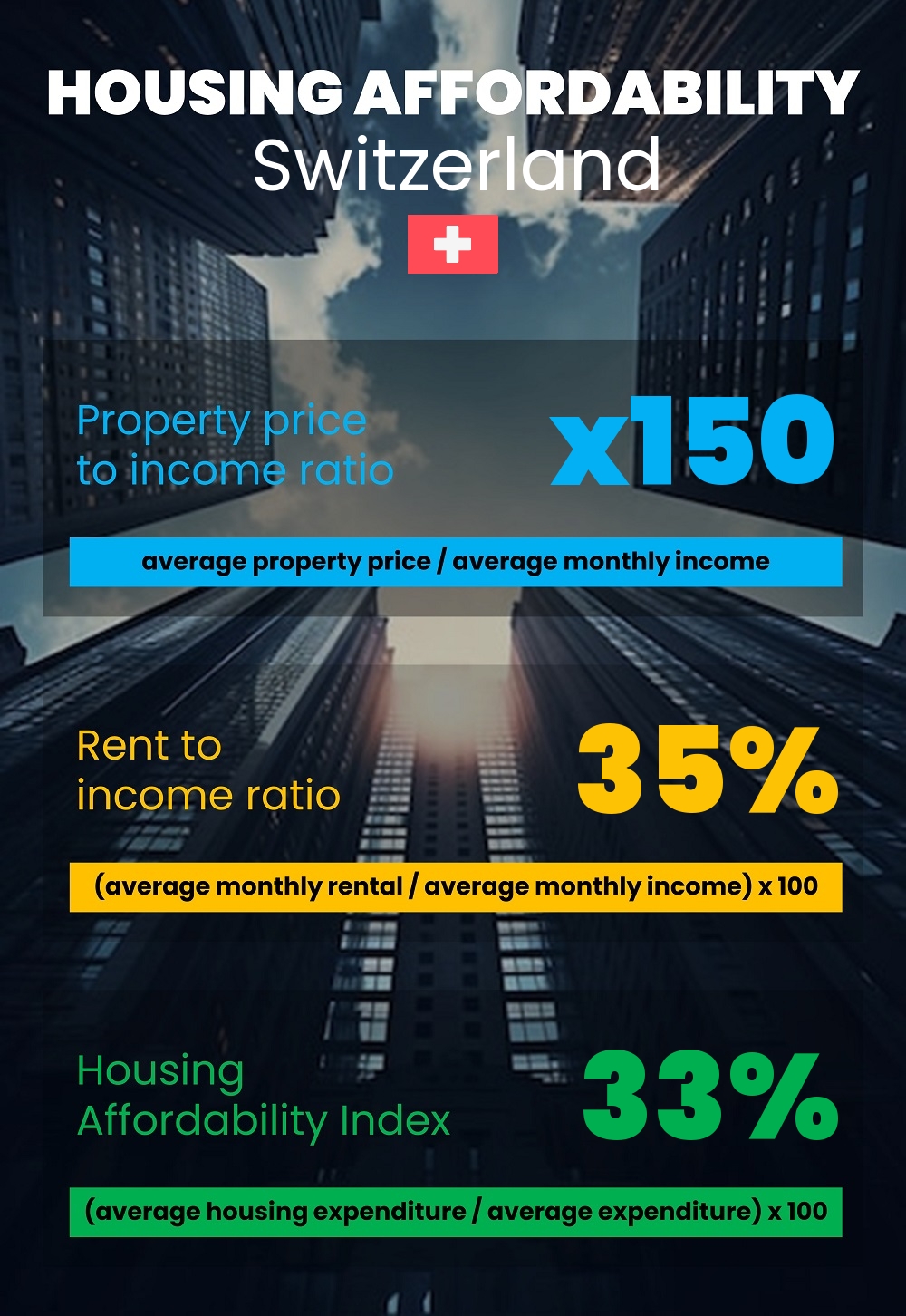
Many institutional players operate under strict fiduciary duties. These duties require them to prioritize the security and yield of their members’ assets. When affordable housing projects are proposed, the internal rate of return (IRR) is often capped by municipal regulations or the nonprofit status of the project developers. Consequently, unless there is a public-private partnership model that provides land at subsidized rates or grants tax incentives, the risk-adjusted return on affordable housing often fails to meet the internal threshold of large-scale asset managers.
Regulatory Constraints and Urban Policy
The regulatory environment in Switzerland is characterized by a high degree of local autonomy, which complicates national investment strategies. Municipalities often impose strict quotas for “public utility” housing, a mandate that requires a percentage of new developments to be offered at cost-covering rents. According to data from the Federation of Swiss Housing Cooperatives, these requirements are essential for maintaining social diversity, yet they create a bifurcated market where investors must choose between high-margin luxury developments and low-margin social projects.
Investors have suggested that if local governments were to streamline the permitting process for affordable housing—or provide long-term land leases at favorable rates—the appetite for these projects would grow significantly. Currently, the time required to navigate zoning and building permits adds substantial “soft costs” to projects, further eroding the financial viability of low-rent models.
What Happens Next: Future Policy Directions
The dialogue between investors, housing associations, and policymakers is expected to intensify as national housing shortages persist. The next major checkpoint for this sector involves upcoming municipal referendums in major Swiss cities regarding zoning laws and the expansion of non-profit housing quotas. These votes will likely determine whether public authorities will increase subsidies to attract private capital or if they will continue to rely on traditional, smaller-scale cooperative structures.
Observers are also monitoring potential shifts in federal policy that could allow pension funds more flexibility in how they value social housing assets for their long-term portfolios. If accounting standards were to evolve to favor the stable, long-term nature of residential real estate over short-term quarterly gains, institutional investment in the sector might see a meaningful uptick. We encourage our readers to participate in the conversation by sharing their perspectives on how municipal policy could better bridge the gap between private capital and the public need for affordable living spaces.
Keep reading