Understanding how to increase YouTube visibility requires a technical grasp of the platform’s recommendation algorithm, which prioritizes user satisfaction and engagement metrics over simple keyword volume. According to YouTube’s official Creator Academy guidelines, the algorithm suggests videos based on historical user behavior, video performance, and the relevance of metadata. For creators looking to expand their audience, success depends on optimizing content for both search intent and discovery through signals like click-through rates (CTR) and average percentage viewed.
As of 2024, YouTube remains the second most-visited website globally, processing billions of hours of content daily. For bloggers and digital creators transitioning to video, the platform’s discovery engine functions as a complex filter that matches specific viewer interests with high-performing content. Mastering this transition involves moving beyond basic uploads to a data-driven approach centered on audience retention and metadata optimization.
Optimizing Metadata for Search Discovery
Search engine optimization (SEO) on YouTube starts with the video title, description, and tags, which provide the primary context for the platform’s indexing systems. While the algorithm primarily analyzes video content through machine learning, metadata remains critical for initial categorization. Google’s support documentation for creators emphasizes that titles should be descriptive and include relevant search terms without resorting to clickbait, as the system penalizes videos that fail to deliver on their promised value.

Effective metadata strategies include:
- Keyword-Rich Titles: Use primary search terms at the beginning of the title to improve visibility in search results.
- Detailed Descriptions: Include a summary of the video content in the first two lines, as these are the only portions visible before the “Show More” expansion.
- Strategic Tagging: While tags have less influence than in previous years, they assist the algorithm in understanding the video’s niche, particularly for misspelled search terms or specific category associations.
The Role of Engagement Metrics in Recommendations
The YouTube recommendation system is fundamentally driven by viewer satisfaction. According to YouTube’s “How Recommendations Work” report, the platform evaluates two primary metrics: how long users watch a video and whether they engage with it through likes, comments, and shares. High audience retention—the percentage of a video watched—signals to the algorithm that the content is relevant and should be promoted to a wider audience.

To improve these metrics, creators often focus on the “hook”—the first 30 seconds of a video. Data suggests that high-performing videos typically deliver the core value proposition early to prevent viewer drop-off. Furthermore, encouraging community interaction through pinned comments or end-screen cards can increase the total session time, a key metric for algorithmic ranking.
Click-Through Rate and Thumbnail Strategy
The click-through rate (CTR) is a direct measure of how effectively a thumbnail and title convince a user to watch. A video may have high-quality content, but if the CTR remains low, the algorithm will limit its reach. YouTube’s internal performance data indicates that consistent testing of thumbnail designs—using high-contrast colors, clear focal points, and minimal text—can significantly impact the number of impressions a video receives.
For creators, the goal is to balance aesthetic appeal with clarity. Thumbnails that accurately represent the video content tend to foster higher long-term trust, which prevents the “bounce rate” that occurs when viewers click a video only to leave within seconds. This balance is essential for maintaining a healthy channel reputation within the platform’s ranking ecosystem.
Analyzing Performance through YouTube Analytics
Data-driven adjustment is the final component of increasing video exposure. The YouTube Analytics dashboard provides granular insights into where viewers are coming from—whether through external search, suggested videos, or channel pages. By identifying which videos have the highest “subscriber conversion” rate, creators can replicate the structure and pacing of successful content.
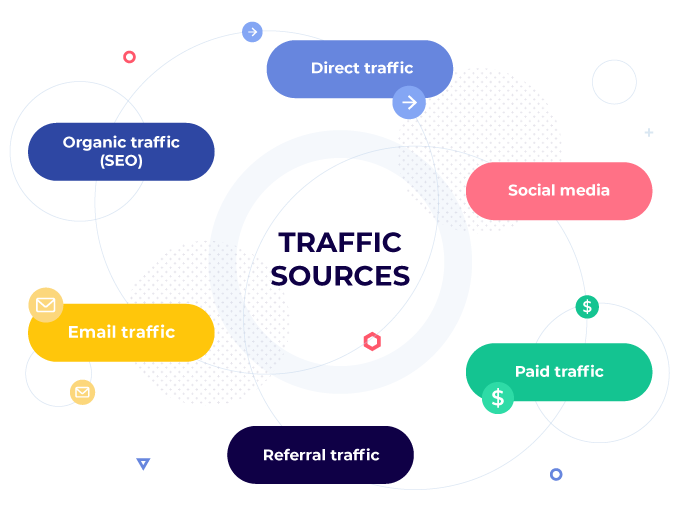
Regularly reviewing the “Traffic Source” report allows creators to see which search queries are bringing in new viewers. If a specific search term consistently leads to a channel, creating follow-up content around that topic is a verified method for capturing additional search traffic. As of the most recent platform updates, YouTube continues to prioritize content that keeps users on the site for longer durations, making “watch time” the most critical indicator of long-term growth.
Creators are encouraged to monitor their YouTube Studio dashboard for the next scheduled update to their analytics interface, which often includes new metrics regarding audience demographics and retention patterns. Engaging with the platform’s community forums and official Help Center remains the most reliable way to stay informed on policy changes and algorithm adjustments. Share your experiences with audience growth strategies in the comments below.
Keep reading