
Mastering the American-Style BBQ: Essential Recipes for Your World Cup Viewing Party
For a successful World Cup viewing party, American-style BBQ staples such as slow-cooked spareribs, tender pulled pork, and spicy chili-infused marinades offer a crowd-pleasing menu centered on flavor-dense, easy-to-serve meats. These recipes focus on the “low and slow” cooking method, which ensures meat tenderness and deep flavor profiles suitable for large groups of sports fans.
As global football fans prepare for upcoming tournament matches, the culinary tradition of hosting “grillabends”—or BBQ nights—has become a central component of the viewing experience. Moving beyond simple burgers and hot dogs, enthusiasts are increasingly turning to complex, American-inspired barbecue techniques to elevate their hosting game. This shift emphasizes high-quality meat cuts, specific smoking woods, and the chemistry of slow-cooked proteins.
Whether you are managing a backyard smoker or using a conventional oven to mimic traditional methods, understanding the core components of these three iconic dishes—spareribs, pulled pork, and spicy chili marinades—is essential for any host looking to provide a professional-grade dining experience during high-stakes matches.
What are the essential American-style BBQ recipes for a viewing party?
The most effective BBQ menus for large gatherings prioritize meats that can be prepared in advance and served easily, often as finger foods or sliders. The three pillars of an American-style spread include:
- Spareribs: Typically prepared with a dry rub and finished with a sweet or tangy glaze, these provide a texture that balances a “bark” (a flavorful outer crust) with tender meat.
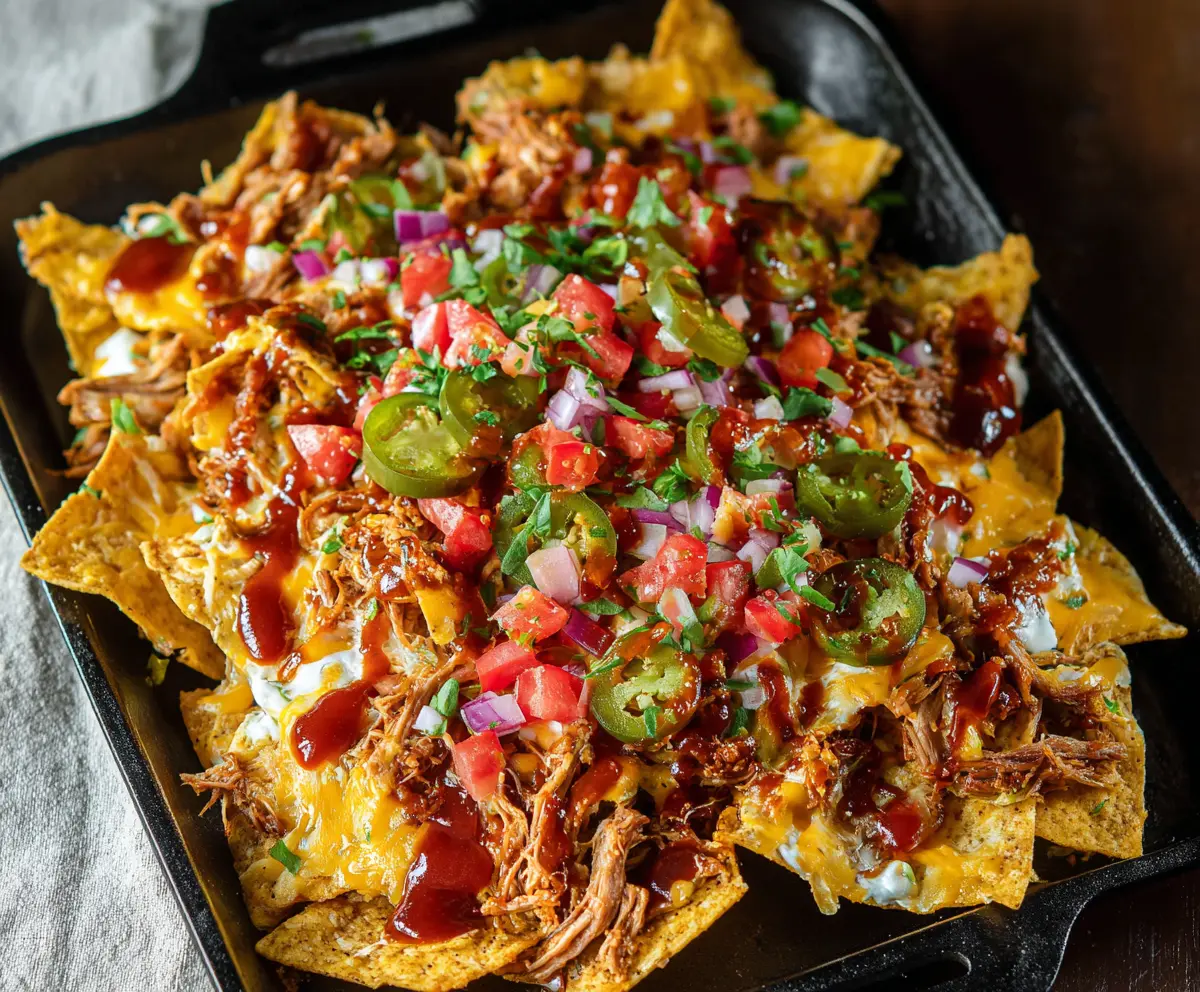
- Pulled Pork: Made from pork shoulder, this dish is the ultimate crowd-pleaser due to its versatility; it can be used in sandwiches, tacos, or even as a topping for loaded fries.
- Spicy Chili Marinades: These serve as the flavor foundation, utilizing peppers, spices, and acids to penetrate the meat and provide a heat profile that complements the richness of the fats.
By focusing on these items, hosts can manage kitchen timing more effectively, allowing them to focus on the match rather than constant food preparation.
How to master American-style spareribs for large crowds
Spareribs are a centerpiece of American barbecue, but achieving the perfect balance between a crispy exterior and a succulent interior requires precision. In the United States, two primary cuts are commonly used: baby back ribs and St. Louis-style spareribs. Baby back ribs are leaner and come from the upper part of the rib cage, while St. Louis-style ribs are meatier and more heavily marbled, making them more forgiving during long cook times.

To achieve professional results, chefs recommend a two-step process: the application of a dry rub followed by a slow smoke or bake. A standard dry rub typically consists of brown sugar, paprika, garlic powder, onion powder, salt, and black pepper. The sugar is critical, as it undergoes caramelization, contributing to the development of the “bark.”
According to culinary standards for meat preparation, maintaining a consistent temperature is vital. If using a smoker, aim for a temperature between 225°F (107°C) and 250°F (121°C). For those using an oven, a similar slow-roast approach at a lower temperature prevents the meat from drying out before the connective tissues have had a chance to break down.
The Importance of the “Bark” and the “Smoke Ring”
For enthusiasts, the visual markers of a great rib are the “bark” and the “smoke ring.” The bark is the dark, textured outer layer created by the combination of spices, meat juices, and smoke. The smoke ring is a pinkish hue just beneath the surface of the meat, caused by a chemical reaction between the nitrogen dioxide in the smoke and the myoglobin in the meat. While not strictly necessary for flavor, it is a hallmark of traditional wood-smoked barbecue.
The science of perfect pulled pork: Why “low and slow” is required
Pulled pork is arguably the most efficient meat for a sports viewing party because it is incredibly forgiving. The ideal cut is the pork shoulder, often referred to as a “Boston Butt.” This cut is characterized by high amounts of intramuscular fat and connective tissue, specifically collagen.
The “low and slow” method is not merely a stylistic choice; it is a biological necessity for this specific cut. At high temperatures, collagen remains tough and rubbery, making the meat difficult to chew. However, when held at a steady, low temperature for several hours, the collagen undergoes a transformation, melting into gelatin. This gelatin coats the muscle fibers, providing the characteristic “melt-in-your-mouth” texture associated with high-quality pulled pork.
To ensure food safety and texture, the USDA recommends that pork reaches a minimum internal temperature of 145°F (63°C) followed by a three-minute rest. However, for pulled pork, culinary experts suggest cooking the meat until it reaches an internal temperature of approximately 195°F to 205°F (90°C to 96°C). At this stage, the muscle fibers begin to separate easily, allowing the meat to be “pulled” by hand or with forks.
| Feature | Spareribs | Pulled Pork |
|---|---|---|
| Primary Cut | Pork Ribs (Baby Back or St. Louis) | Pork Shoulder (Boston Butt) |
| Key Texture | Tender meat with a crunchy “bark” | Shredded, gelatinous, and moist |
| Target Temp | ~195°F – 203°F | ~195°F – 205°F |
| Serving Style | Bone-in or sliced | Shredded (sliders, tacos, bowls) |
Creating a spicy chili marinade that balances heat and flavor
A common mistake in BBQ preparation is relying solely on heat. A high-quality chili marinade or sauce must achieve a balance between four key elements: heat, acidity, sweetness, and salt. Without this balance, the spice can overwhelm the natural flavor of the meat, or worse, the meat can taste one-dimensional.
When constructing a spicy chili marinade for ribs or pork, consider the following components:
- The Heat: Use a combination of dried chili powders (such as ancho or chipotle for smokiness) and fresh peppers (like jalapeños or habaneros) to create layers of spice.
- The Acid: Apple cider vinegar or lime juice is essential. The acid helps tenderize the meat by breaking down surface proteins and cuts through the heavy fat of the pork.
- The Sweetness: Honey, maple syrup, or brown sugar counteracts the acidity and helps the marinade adhere to the meat, aiding in caramelization.
- The Aromatics: Garlic, cumin, and smoked paprika provide the “earthy” foundation that defines American BBQ flavor profiles.
For a marinade to be effective, it should be applied well before the cooking process begins. For tougher cuts or larger pieces of meat, a soak of at least 4 to 12 hours is recommended to allow the flavors to penetrate the muscle fibers.
Essential BBQ tools and safety for outdoor cooking
Hosting a large group for a World Cup match requires more than just recipes; it requires organization and safety. When managing outdoor grills or smokers, several factors must be considered to ensure a smooth event.
First, temperature control is paramount. Using an instant-read digital meat thermometer is the only reliable way to ensure meat has reached safe temperatures and has been cooked long enough to break down connective tissues. Relying on “visual cues” or “the poke test” is often inaccurate and can lead to either undercooked meat or overly dry results.
Second, fire safety is critical when using charcoal or wood. Always keep a fire extinguisher or a bucket of sand nearby, and ensure the grill is placed on a stable, non-combustible surface away from structures or low-hanging branches. If using propane, check all connections for leaks before lighting the grill.
Finally, for large-scale hosting, the “holding” method is a lifesaver. Once the meat is finished, it can be wrapped in foil and placed in a cooler (without ice) to stay warm for several hours. This “faux cambro” method is a professional technique used to keep food at a safe temperature while allowing the meat to rest and the juices to redistribute.
Frequently Asked Questions (FAQ)
Can I make these recipes in a standard kitchen oven?
Yes. While a smoker provides a unique flavor profile through wood smoke, you can achieve excellent results in an oven. Use a heavy Dutch oven or a roasting pan, cover it tightly with foil to trap moisture, and cook at a low temperature (around 250°F) to mimic the slow-cooking process.
:max_bytes(150000):strip_icc()/Simply-Recipes-Grilled-Pork-Skewers-LEAD-573d54be6088431fa3a6674d2674eed7.jpg "Can I make these recipes in a standard kitchen oven?")
What kind of wood is best for BBQ?
It depends on the meat. Fruitwoods like apple or cherry are milder and work well with pork and ribs. Heavier woods like hickory or mesquite provide a stronger, more aggressive smoke flavor that is traditional for beef and certain styles of pork BBQ.
How do I prevent my ribs from being too tough?
Toughness is usually caused by either insufficient cooking time or cooking at too high a temperature. Ensure you are cooking “low and slow” to allow the collagen to convert to gelatin, and always use a thermometer to confirm the meat has reached the appropriate internal temperature.
The upcoming schedule of major international football matches will continue to drive interest in these culinary traditions. Stay tuned for further updates on seasonal food trends and hosting guides as the tournament season progresses.
What is your go-to BBQ recipe for game day? Let us know in the comments below and share this guide with your fellow fans!