The Manhattan District Attorney’s office, widely considered one of the most powerful prosecutorial authorities in the United States, faces a period of unprecedented political and legal scrutiny as the incoming Trump administration prepares to take office. While the office operates with local autonomy, the intersection of federal policy and New York’s municipal legal landscape is expected to create significant friction between local prosecutors and the Department of Justice (DOJ).
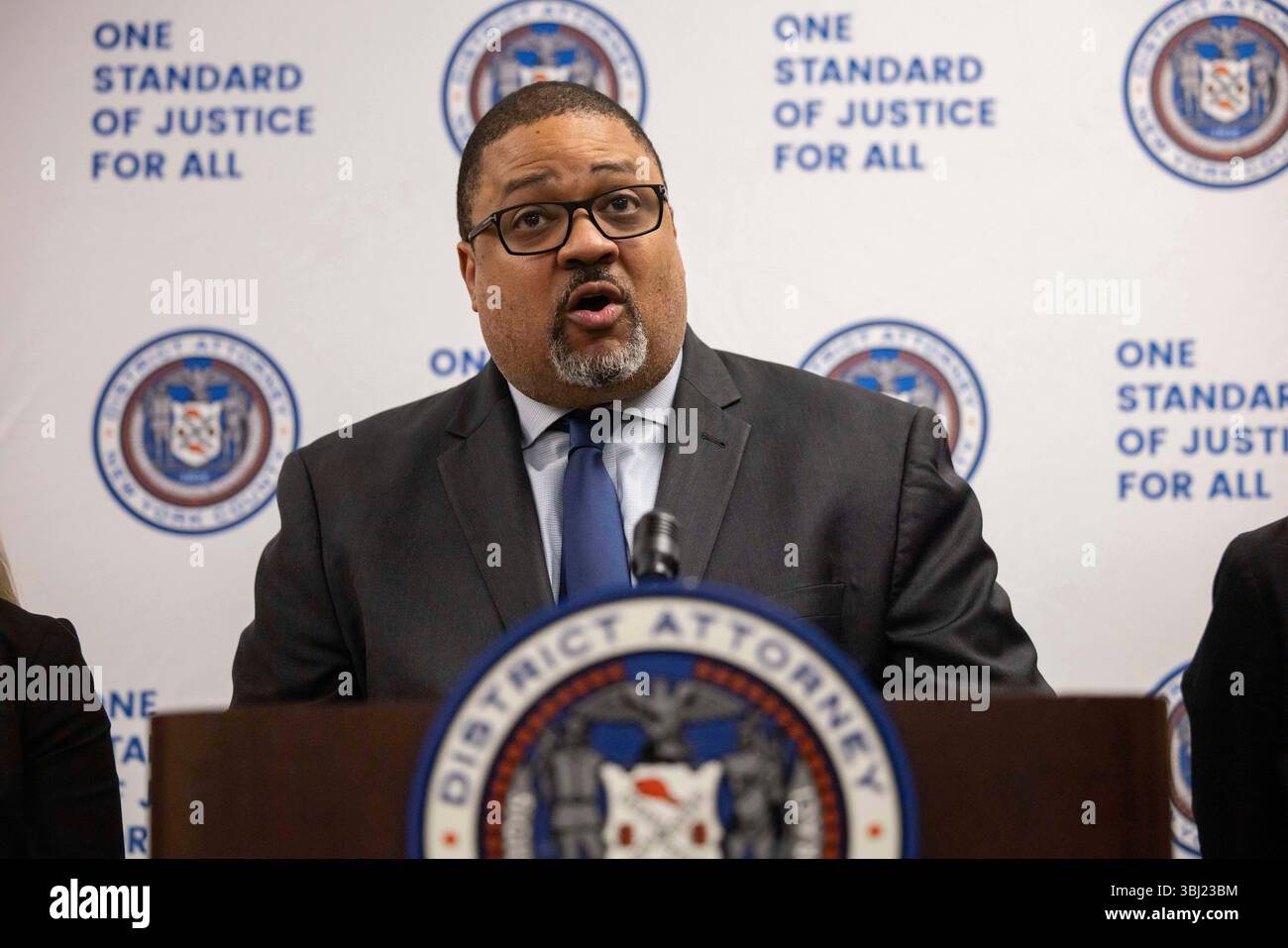
The Manhattan District Attorney, currently Alvin Bragg, oversees a jurisdiction that manages high-stakes white-collar crime, political corruption, and complex financial litigation. Because the office is an elected position, its leadership is not subject to presidential appointment, a distinction that creates a unique legal buffer between the White House and the Manhattan courtroom. However, the incoming administration’s control over federal agencies could still influence the broader legal environment in which the Manhattan DA operates.
Legal analysts suggest that the tension between local and federal authorities will likely center on the scope of investigative powers and the coordination of criminal prosecutions involving high-profile political figures. As the transition progresses, the distinction between the Manhattan District Attorney’s office and the U.S. Attorney’s Office for the Southern District of New York (SDNY) will become a critical factor in how New York’s legal battles unfold.
Why the Manhattan District Attorney’s Office holds unique power
The Manhattan District Attorney’s office is not merely a local law enforcement agency; it functions as a global center for financial litigation. Due to the concentration of the world’s largest banks, hedge funds, and multinational corporations in New York City, the office possesses the specialized resources and legal mandates to prosecute complex economic crimes that have international implications.
According to legal experts and historical precedent, the office’s influence stems from several key factors:
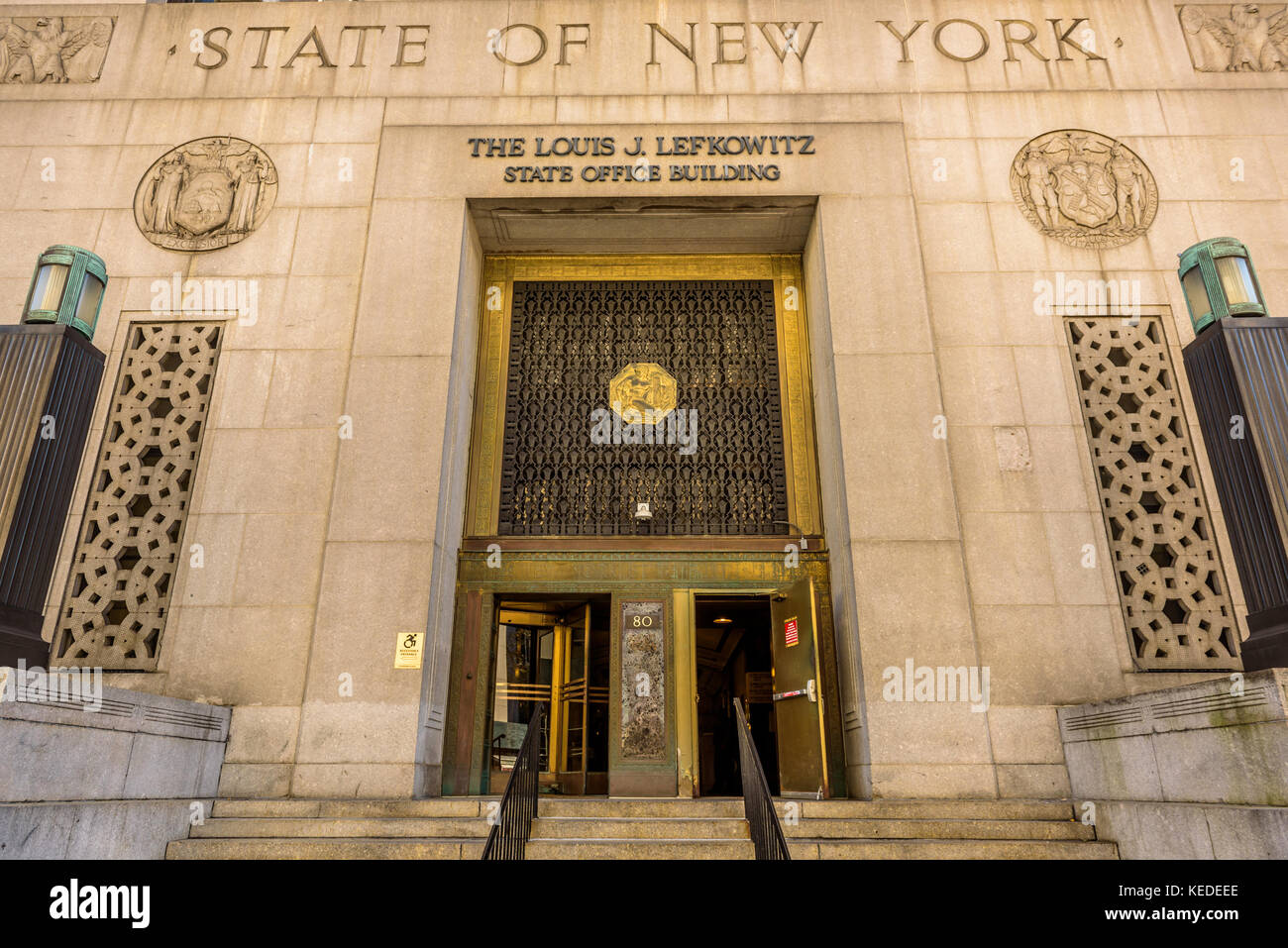
- Jurisdictional Reach: The office can prosecute crimes committed within Manhattan, which includes the world’s most significant financial district.
- Specialized Units: The DA maintains dedicated bureaus for organized crime, economic crimes, and public integrity, allowing for deep-dive investigations into sophisticated financial schemes.
- Political Significance: Because Manhattan is a global hub, the outcomes of cases brought by the DA often set precedents for how white-collar crime is handled worldwide.
The office’s ability to pursue cases involving high-ranking officials and corporate executives has made it a focal point of political debate. While the Manhattan DA is an elected official responsible to the voters of New York County, the high-profile nature of its cases often draws the attention of federal regulators and national political leaders.
Understanding the distinction: Manhattan DA vs. Federal Prosecutors
A common point of confusion in the current political discourse is the difference between the Manhattan District Attorney and federal prosecutors. This distinction is vital to understanding how the incoming Trump administration may or may not affect local New York prosecutions.
The Manhattan District Attorney is a local official. The office is funded by New York City and is part of the municipal government. The DA is elected by the residents of Manhattan, meaning the President of the United States has no legal authority to appoint, remove, or direct the actions of the Manhattan District Attorney or their staff.
In contrast, the U.S. Attorney for the Southern District of New York (SDNY) is a federal official. The SDNY is part of the Department of Justice and is appointed by the President and confirmed by the Senate. While the SDNY also covers much of Manhattan and handles high-profile financial and political cases, it operates under the direct authority of the U.S. Attorney General. This means the incoming administration will have direct influence over the SDNY through its selection of leadership and its setting of DOJ priorities.
This dual-track system creates a complex legal landscape where a single individual or corporation could simultaneously face investigation by both the Manhattan District Attorney and federal prosecutors. The two offices often coordinate on large-scale investigations, but they maintain separate legal mandates and independent decision-making processes.
How the incoming Trump administration may influence New York legal proceedings
Although the President cannot directly control the Manhattan District Attorney, the incoming administration possesses several levers of influence that could impact the legal environment in New York. The primary mechanism for this influence is the leadership of the Department of Justice.
The U.S. Attorney General holds significant power over federal prosecutions and can influence how federal resources are allocated in New York. If the administration appoints a U.S. Attorney for the SDNY who prioritizes different types of crimes or different prosecutorial philosophies, it could create a shift in the legal landscape. For example, a focus on federal oversight of certain financial activities could overlap with, or even conflict with, the investigations being conducted by the Manhattan DA.
Furthermore, the administration’s approach to federalism—the division of power between the national government and state/local governments—will dictate the level of cooperation between federal and local agencies. Historically, administrations have used the DOJ to either support or challenge the investigative priorities of local prosecutors. In New York, this could manifest in several ways:
- Resource Allocation: Changes in federal funding or assistance for multi-agency task forces.
- Policy Directives: DOJ memos that set guidelines for how federal prosecutors should handle certain classes of crimes.
- Judicial Appointments: The appointment of federal judges in the Southern and Eastern Districts of New York, who will preside over many of the cases involving both federal and local interests.
The potential for conflict is heightened when local prosecutions involve political figures who are central to the national political landscape. While the Manhattan DA remains independent, the political pressure exerted by the federal government can influence the public perception and the strategic approach of local legal battles.
The economic and market implications of New York’s legal landscape
For the global business community, the stability and predictability of the New York legal system are of paramount importance. The Manhattan District Attorney’s office and the SDNY are the primary enforcers of the rules that govern global finance. Significant changes in prosecutorial focus or increased volatility between local and federal authorities can impact market confidence.
Legal analysts note that “prosecutorial uncertainty”—where it is unclear which agency will lead an investigation or what the potential penalties might be—can lead to increased compliance costs for financial institutions. When the Manhattan DA’s office pursues high-profile white-collar cases, it often forces a ripple effect across the financial sector, prompting firms to tighten internal controls and legal safeguards.
Investors and corporate boards closely monitor the leadership of both the Manhattan DA and the SDNY. A shift toward more aggressive prosecution in certain financial sectors can influence capital flows, as companies may adjust their operations to minimize legal exposure. Conversely, a period of stability and clear legal guidelines is often viewed as a positive indicator for the long-term health of the New York financial markets.
Key Comparison: Local vs. Federal Prosecution in New York
| Feature | Manhattan District Attorney | U.S. Attorney (SDNY) |
|---|---|---|
| Level of Government | Local (New York City/County) | Federal (United States) |
| Selection Process | Elected by Manhattan residents | Appointed by President; Senate confirmed |
| Primary Authority | Manhattan District Attorney | U.S. Attorney General / DOJ |
| Typical Focus | Local crime, state laws, municipal corruption | Federal crimes, interstate commerce, national security |
| Political Accountability | Voters of Manhattan | The President and the U.S. Senate |
What to watch for in the coming months
As the transition of power continues, several key milestones will provide clarity on how the legal landscape in New York will evolve. Stakeholders in the legal, financial, and political sectors will be looking for specific indicators of the administration’s direction.
The first major checkpoint will be the official announcement of the Attorney General nominee. The identity of the individual selected to lead the Department of Justice will signal the administration’s intended philosophy regarding federal prosecutions and its relationship with local authorities. Following this, the nomination and confirmation process for the U.S. Attorney for the Southern District of New York will be a critical moment for New York’s legal community.
Additionally, observers will watch for any formal communications or policy shifts from the DOJ that address the coordination of investigations between federal and local agencies. Any move to centralize certain types of investigations or to change the protocols for sharing information between the SDNY and the Manhattan District Attorney’s office will be seen as a significant shift in the balance of prosecutorial power.
The next confirmed checkpoint for the legal landscape will be the formal inauguration of the President on January 20, 2025, which will trigger the official commencement of the new administration’s executive authorities and the subsequent nomination process for key DOJ positions.
What are your thoughts on the shifting dynamics between local and federal prosecutors? Do you believe the independence of local offices is at risk? Let us know in the comments below and share this article with your network.
Worth a look