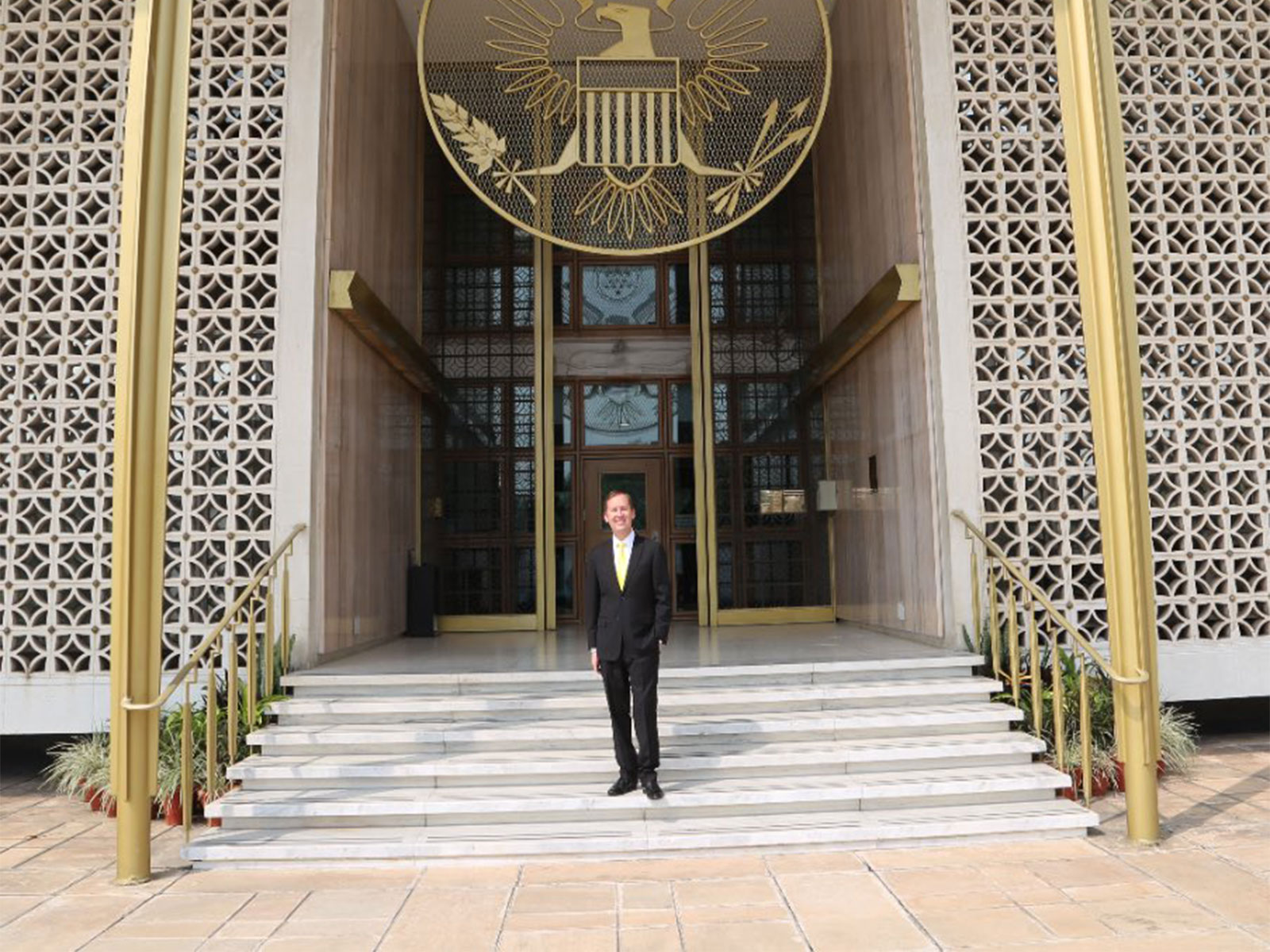
United States Ambassador to India Sergio Gor is reshaping traditional diplomatic protocols by prioritizing commercial diplomacy and reevaluating long-standing infrastructure projects in New Delhi. Since assuming his post, Gor has focused on strengthening economic ties between the two nations, a move that has drawn both praise from business stakeholders and scrutiny from career diplomatic circles regarding the shift in embassy operational priorities.
The core of this transformation involves a departure from established administrative trajectories, most notably the reversal of a long-planned embassy building project in the Indian capital. According to reports from the U.S. Department of State, embassy construction projects are typically subject to rigorous oversight by the Bureau of Overseas Buildings Operations, which manages the lifecycle of diplomatic facilities to ensure they meet security and functional requirements. The decision to halt or pivot these plans has prompted discussions among regional policy analysts about how the Trump administration’s current foreign policy doctrine influences day-to-day diplomatic management.
Shifting Priorities in the U.S.-India Diplomatic Corridor
The U.S.-India relationship, often characterized as a “strategic partnership,” is currently navigating a period where economic interests appear to be taking precedence over traditional soft-power initiatives. Sergio Gor, known for his background in political strategy and media, has approached his ambassadorship by emphasizing deal-making. This strategy aligns with a broader administration push to quantify diplomatic success through trade volumes and private-sector engagement, as documented in recent U.S. Department of Commerce trade briefings.

Diplomatic observers note that the reversal of the embassy expansion project serves as a tangible example of this new approach. While embassy construction is often viewed through the lens of long-term strategic presence, the current administration has signaled a preference for fiscal austerity and a re-evaluation of legacy projects. For the local diplomatic community, the move is seen as a signal that the embassy’s footprint is being recalibrated to reflect a more streamlined, business-centric mission.
The Impact of Commercial Diplomacy on Global Relations
The role of a U.S. Ambassador has historically balanced consular duties, intelligence gathering, and political representation. Under the current mandate, however, there is a clear emphasis on the “deal-maker” model. This approach is not unique to the mission in New Delhi; it is part of a wider effort to integrate private-sector expertise into the diplomatic corps. Supporters argue that this pragmatism cuts through bureaucratic red tape, allowing for faster progress on energy, technology, and defense procurement agreements.
However, critics within the diplomatic service suggest that by focusing heavily on commercial outcomes, the embassy may risk neglecting the foundational work of human rights advocacy, cultural exchange, and long-term institutional relationship-building. According to the American Foreign Service Association, the professional development of diplomats is rooted in the “three pillars” of diplomacy: defense, development, and diplomacy. When one of these is weighted disproportionately, the efficacy of the mission can be subject to internal debate.
What Happens Next for the New Delhi Mission
The immediate future of the embassy site and the broader scope of U.S. operations in India remain points of interest for both the U.S. Congress and the Indian Ministry of External Affairs. As the administration continues to audit overseas spending, further adjustments to diplomatic real estate and staffing models are expected. The U.S. Embassy in New Delhi is currently expected to provide updates regarding its facility management and long-term operational goals in future official statements and press releases.
For stakeholders monitoring U.S.-India relations, the next critical checkpoint will be the upcoming bilateral trade review, where the results of this commercial-first strategy will be measured against established economic benchmarks. As the situation evolves, observers are encouraged to monitor official channels for verified updates on infrastructure projects and diplomatic policy shifts.
We invite our readers to share their perspectives on the changing nature of modern diplomacy in the comments section below. How do you view the balance between economic interests and traditional statecraft in today’s geopolitical climate?
Related reading