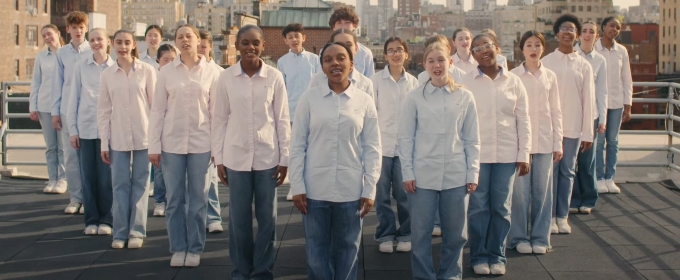
A youth chorus from New York City recently delivered a high-profile performance to mark the 60th anniversary of the classic musical film The Sound of Music. The group, known for their vocal precision and stage presence, performed a medley of iconic songs from the 1965 Rodgers and Hammerstein production, celebrating the enduring cultural impact of the Academy Award-winning film.
The performance, which has gained traction across social media platforms, serves as a poignant reminder of the film’s legacy six decades after its initial release. According to the Academy of Motion Picture Arts and Sciences, The Sound of Music premiered in 1965 and went on to win five Oscars, including Best Picture. The film, directed by Robert Wise and starring Julie Andrews, remains a cornerstone of American cinematic history.
The tribute featured arrangements of tracks such as “Do-Re-Mi,” “My Favorite Things,” and the title song, “The Sound of Music.” Youth choral groups frequently utilize these arrangements for educational purposes, given the complexity of the harmonies and the universal appeal of the compositions. Music historians often cite the film’s soundtrack as one of the most commercially successful in the history of cinema, with the Recording Industry Association of America (RIAA) documenting its multi-platinum certification over several decades.
The Cultural Significance of a 60-Year Legacy
Why does The Sound of Music continue to resonate with younger generations? Experts in film studies suggest that the movie’s themes—resilience, the power of music, and family bonds—transcend the era in which it was produced. The 60th anniversary represents a milestone for the film, which was adapted from the 1959 Broadway stage musical of the same name.

The original stage production, which opened at the Lunt-Fontanne Theatre in New York City, set the stage for the film’s eventual success. According to Playbill, the transition from stage to screen allowed the story of the Von Trapp family to reach a global audience, cementing its status as a cultural phenomenon. For the young performers involved in this anniversary tribute, the music acts as a bridge between the mid-20th-century sensibilities and contemporary performance standards.
Performance Details and Vocal Arrangement
The New York-based chorus focused on maintaining the integrity of the original orchestrations while adding a modern choral flair. Such performances require extensive rehearsal, often involving months of preparation to master the intricate vocal layering. In the context of choral music education, the works of Rodgers and Hammerstein remain essential repertoire due to their melodic clarity and pedagogical value.
The following video clip captures a portion of the ensemble’s recent performance, showcasing the vocal discipline involved in their tribute to the 1965 classic:
Historical Context: From Salzburg to Hollywood
The narrative of The Sound of Music is based on the real-life memoir of Maria von Trapp, The Story of the Trapp Family Singers. While the film took creative liberties with the timeline and the depiction of the family’s escape from Austria, it remains the definitive version of the story for most viewers. The real Maria von Trapp, according to the Trapp Family Lodge archives, spent much of her later life in Vermont, where the family established a musical legacy that continues to influence choral music in the United States today.
The recent anniversary celebration in New York City is part of a broader series of events honoring the film’s history. Throughout 2025, various film societies and music organizations have scheduled screenings and live performances to commemorate the 60-year milestone. These events are designed to highlight the technical achievements of the 1965 production, particularly its use of location shooting in Salzburg, Austria, which was considered innovative for its time.
Looking Ahead: Future Commemorations
As the anniversary year progresses, fans of the musical can expect further tributes and potential archival releases. The film’s distributor, 20th Century Studios, often coordinates with cultural institutions to provide access to restored prints and behind-the-scenes materials. Those interested in the historical preservation of the film can find information through the National Film Preservation Board, which selected The Sound of Music for inclusion in the National Film Registry in 2001 due to its cultural, historical, and aesthetic significance.
The legacy of this musical ensures its continued relevance in both film and theater circles. For the young singers who participated in this celebration, the experience provides a firsthand look at how art can maintain its vitality across generations. Further updates regarding anniversary performances and related events are expected to be announced by local arts councils and school music programs later this year.
Have you attended a performance of The Sound of Music or participated in a choral tribute to the film? Share your thoughts and experiences in the comments section below.
Worth a look