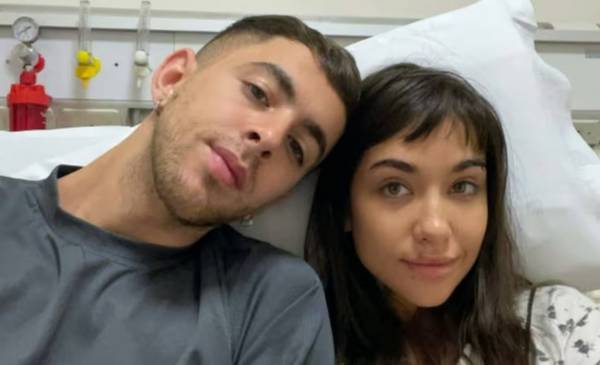
Argentine singer María Becerra recently disclosed that she cannot conceive children naturally due to significant medical risks associated with pregnancy. The artist, who has spoken openly about her reproductive health, shared that her physical condition makes traditional pregnancy life-threatening, a realization that followed a traumatic medical emergency in 2023.
According to public statements made by Becerra, the singer experienced an ectopic pregnancy without prior awareness of the condition. An ectopic pregnancy occurs when a fertilized egg implants outside the main cavity of the uterus, most commonly in a fallopian tube. This medical event, which can lead to life-threatening internal bleeding if left untreated, prompted a broader discussion about her long-term fertility and the health constraints she faces regarding future pregnancies.
As a physician, I understand that hearing such news is deeply personal and often overwhelming. In the field of reproductive health, understanding the distinction between different types of pregnancy complications is vital for patient safety and informed decision-making. According to the Mayo Clinic, an ectopic pregnancy cannot proceed normally and requires immediate medical intervention to prevent rupture and severe maternal harm.
Understanding the Risks of Ectopic Pregnancy
For many, the term “ectopic pregnancy” is often misunderstood until a personal or public health crisis brings it into focus. Medically, this condition is considered a surgical emergency. Because the fallopian tube is not designed to hold a developing embryo, the tissue can stretch and eventually tear, leading to significant hemorrhage.
The American College of Obstetricians and Gynecologists (ACOG) emphasizes that ectopic pregnancies remain a leading cause of pregnancy-related mortality in the first trimester. For individuals who have experienced such an event, clinicians often conduct thorough evaluations to assess the structural integrity of the reproductive system and determine if future natural pregnancies would pose an unacceptable risk to the patient’s life.
The Impact of Medical Disclosure on Public Health Awareness
When public figures speak about their health challenges, it often serves as a catalyst for wider conversations regarding reproductive medicine and the realities of infertility. Becerra’s transparency regarding her inability to carry a pregnancy safely highlights a reality faced by many: that biological limitations can necessitate alternative paths to parenthood, such as adoption or surrogacy, depending on individual circumstances and local legal frameworks.
In Germany, where I practice, and across the European Union, the discourse around reproductive health focuses heavily on patient autonomy and the availability of assisted reproductive technologies. However, these technologies are not a universal solution for every underlying condition. When a patient is advised that pregnancy poses a direct threat to their life, the medical consensus prioritizes maternal health above all else. This clinical standard is universal, regardless of the patient’s public profile.
Moving Forward: Reproductive Health and Personal Choices
The journey toward family planning is rarely linear, especially when medical complications intervene. For those navigating similar diagnoses, it is essential to work closely with a multidisciplinary team—including obstetricians, reproductive endocrinologists, and, when necessary, mental health professionals.
While the path forward may look different than what many initially envision, the focus remains on long-term wellness and the preservation of life. As of now, there have been no further public updates from Becerra regarding her specific medical management or future family plans. For individuals seeking information on reproductive health, the World Health Organization (WHO) offers comprehensive resources on the global burden of infertility and the importance of accessible, evidence-based care.
If you or someone you know is navigating a difficult diagnosis, prioritize consultation with a board-certified specialist. We encourage our readers to share their thoughts or experiences in the comments section below, as community support and accurate information are the cornerstones of navigating health challenges.