
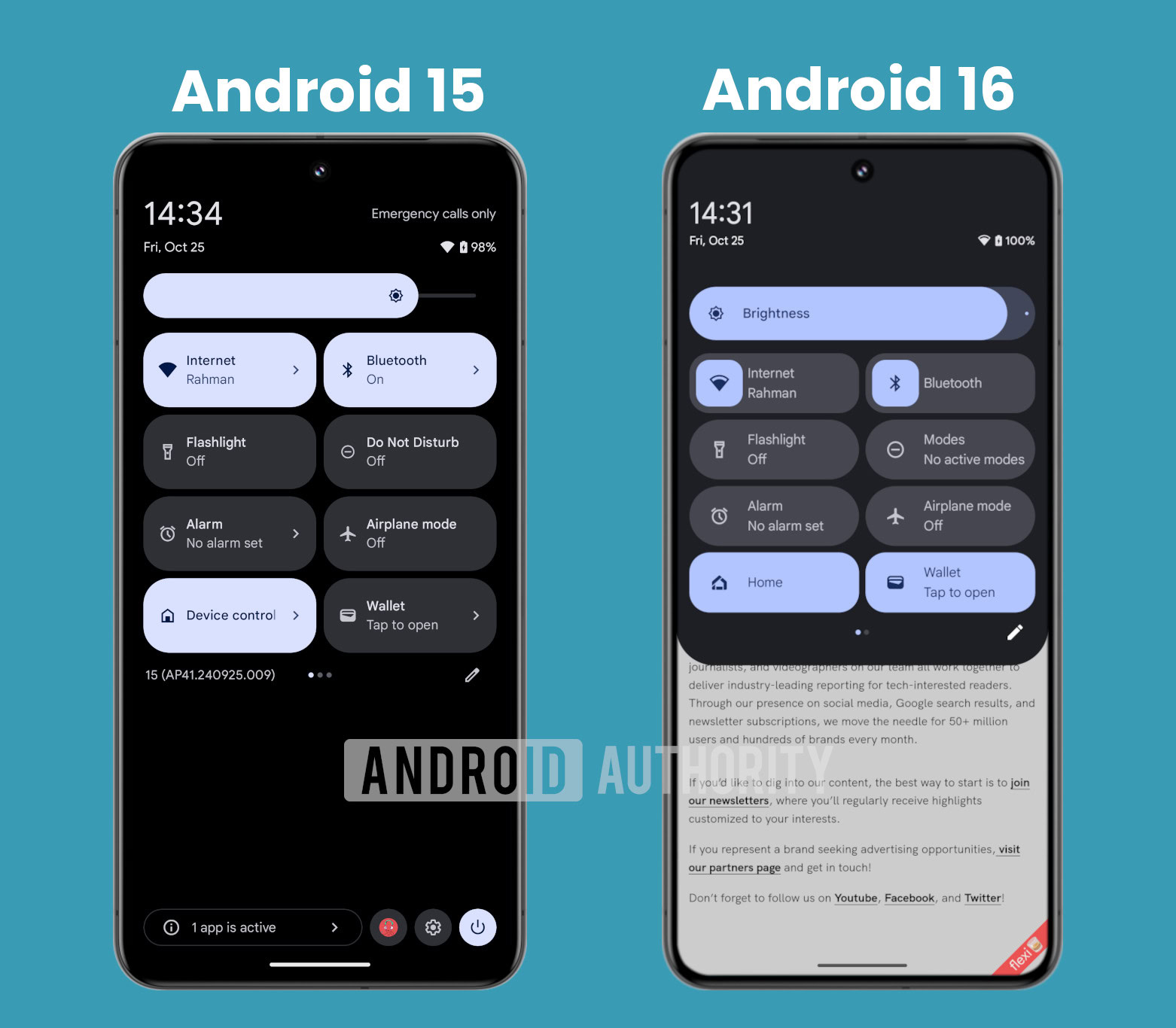
Google’s mobile ecosystem is currently undergoing a significant transition as the company shifts its focus toward the upcoming Android 16 release and the expansion of its hardware portfolio. Following the official launch of Android 15, which introduced refined privacy controls and updated notification management, developers and consumers are now looking toward the next iteration of the operating system. This shift coincides with a broader hardware strategy that includes the anticipated Google Pixel 9a and the continued evolution of specialized platforms like Google TV and Android XR.
According to the official Android developer documentation, the platform roadmap for 2025 emphasizes deeper integration of artificial intelligence and streamlined system updates. While the Android 15 update focused on stability and performance optimizations, Android 16 is expected to accelerate the deployment of new API features directly to devices through the Google Play system. This approach aims to reduce fragmentation across the global smartphone market, ensuring that security patches and feature updates reach users more efficiently.
The Evolution of the Google Pixel Hardware Lineup
The Google Pixel 9a remains one of the most anticipated additions to the company’s hardware catalog. As the successor to the Pixel 8a, the device is expected to follow the established mid-range strategy that balances premium software features with accessible pricing. While Google has not yet provided a formal release date, historical release patterns for the “a-series” suggest a mid-year launch window, typically aligning with the company’s annual developer conference.
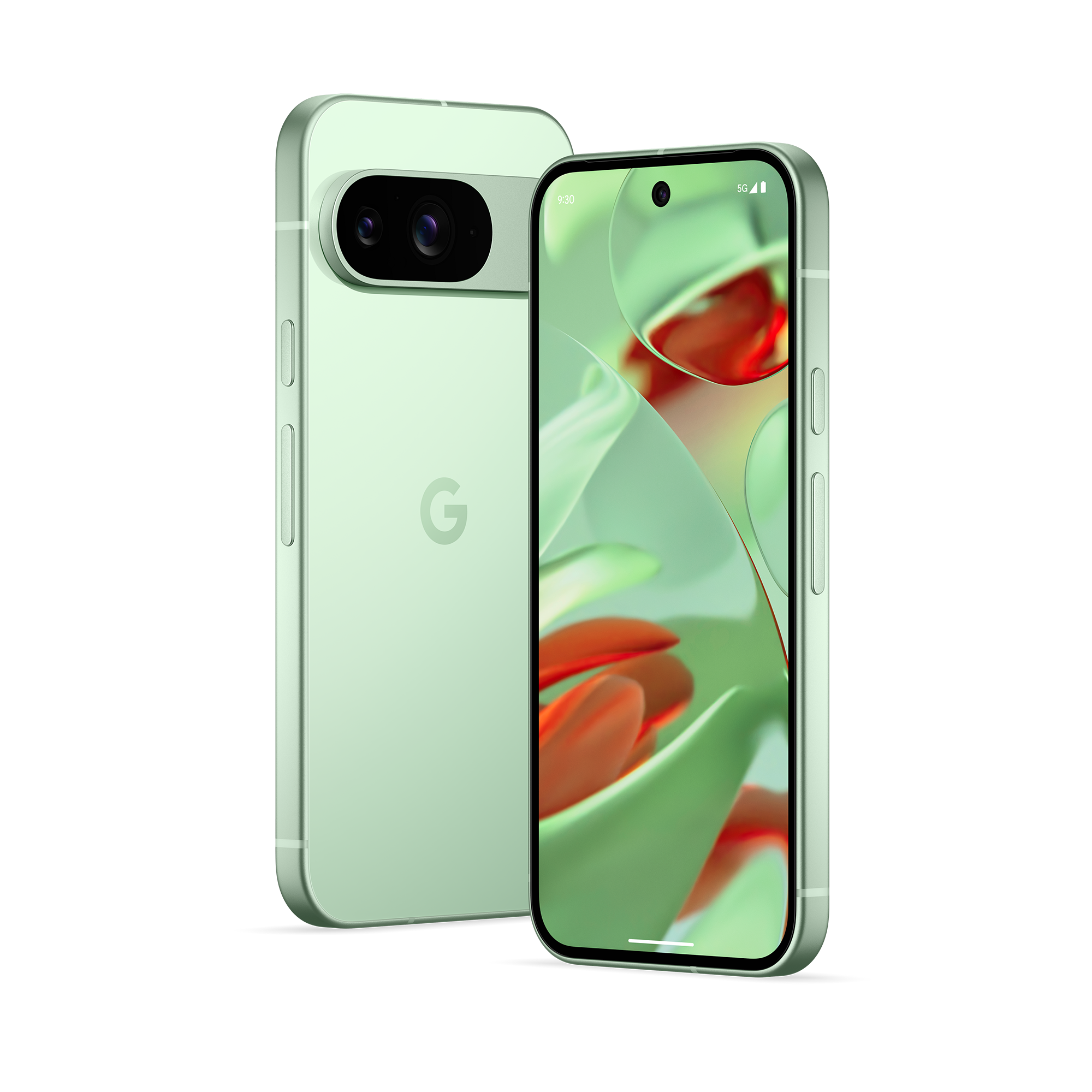
This hardware strategy is part of a larger, long-term effort by Google to maintain consistency across its product ecosystem. The legacy of devices like the Google Nexus 5X and Nexus 6P, which were once the hallmarks of the “pure” Android experience, has clearly informed the current Pixel design philosophy. Unlike the Nexus era, where hardware was often manufactured by third-party partners, the modern Pixel lineup is designed in-house, allowing for tighter integration between the custom Tensor silicon and the Android operating system.
Broadening the Ecosystem: Android XR and Google TV
Beyond mobile handsets, Google is actively diversifying its operating system footprint. The development of Android XR represents a strategic pivot toward extended reality, a sector where the company aims to provide a standardized platform for spatial computing. This initiative mirrors the growth of Google TV, which has successfully consolidated the company’s streaming and content discovery services into a single, unified interface now used by millions of households globally.

According to Google’s official product overview, the primary objective for these platforms is to maintain a cohesive user experience regardless of the screen size or hardware form factor. By leveraging the same underlying kernel and security architecture as the mobile version of Android, Google allows developers to port applications across these different environments with minimal overhead. This cross-platform compatibility is a cornerstone of the company’s strategy to keep users engaged within the Google ecosystem, whether they are using a smartphone, a television, or a spatial headset.
Strategic Priorities for the Android Roadmap
The transition from Android 15 to Android 16 serves as a bellwether for the company’s broader technical priorities. The focus has shifted from merely adding visual flair to refining the infrastructure that supports background tasks and energy management. This is particularly relevant for the upcoming generation of devices, which are expected to handle more intensive on-device AI processes.
Industry analysts have noted that the speed of these updates is critical for maintaining market share against competing mobile operating systems. By decoupling core system components from the main OS update, Google has successfully shortened the time-to-market for critical security features. The Google Security Blog confirms that this modular update structure has contributed to a measurable decrease in vulnerability exposure time for the average user, an essential metric for both consumer trust and enterprise adoption.
Key Developments in the Android Ecosystem
- Android 16: Currently in development with a focus on modular API updates and enhanced AI-driven performance.
- Pixel 9a: Expected to serve as the primary mid-range entry point for the company’s latest hardware features in 2025.
- Android XR: A specialized platform initiative aimed at establishing a standardized OS for spatial computing and augmented reality.
- Google TV: Continuing to integrate personalized content recommendations across a widening range of smart home devices.
As Google moves through its current development cycle, stakeholders expect further announcements regarding the formal rollout of the Android 16 developer preview. Users and developers alike are encouraged to monitor the Android Developers Blog for the most accurate, up-to-date information regarding release timelines and API changes. Future updates will clarify the specific hardware requirements for the new software features, as well as the anticipated support lifecycle for existing devices.
The next major checkpoint for the Android ecosystem is the upcoming Google I/O conference, where the company typically outlines its strategic vision for the remainder of the year. Please share your thoughts on the direction of these updates in the comments section below.
Keep reading