
Google is currently rolling out a series of updates to the Google Messages application as of June 2026, focusing on enhanced communication controls and expanded Rich Communication Services (RCS) functionality. These adjustments, which are being deployed through a phased server-side update, aim to refine how users interact with both individual and group conversations on Android devices. While Google frequently conducts A/B testing for its mobile applications, the current rollout includes verified improvements to message organization, security features, and cross-platform media handling, according to official updates from the Google Messages Help Center.
The primary focus of this update is the stabilization of RCS features, which now serve as the default messaging protocol for millions of Android users globally. By prioritizing RCS, Google is addressing long-standing interoperability concerns between Android and other messaging platforms. These updates are essential for maintaining parity with industry standards, as the company continues to work toward universal adoption of the GSMA’s Rich Communication Services protocols, as noted in the official GSMA industry specifications.
Refining RCS Communication Standards
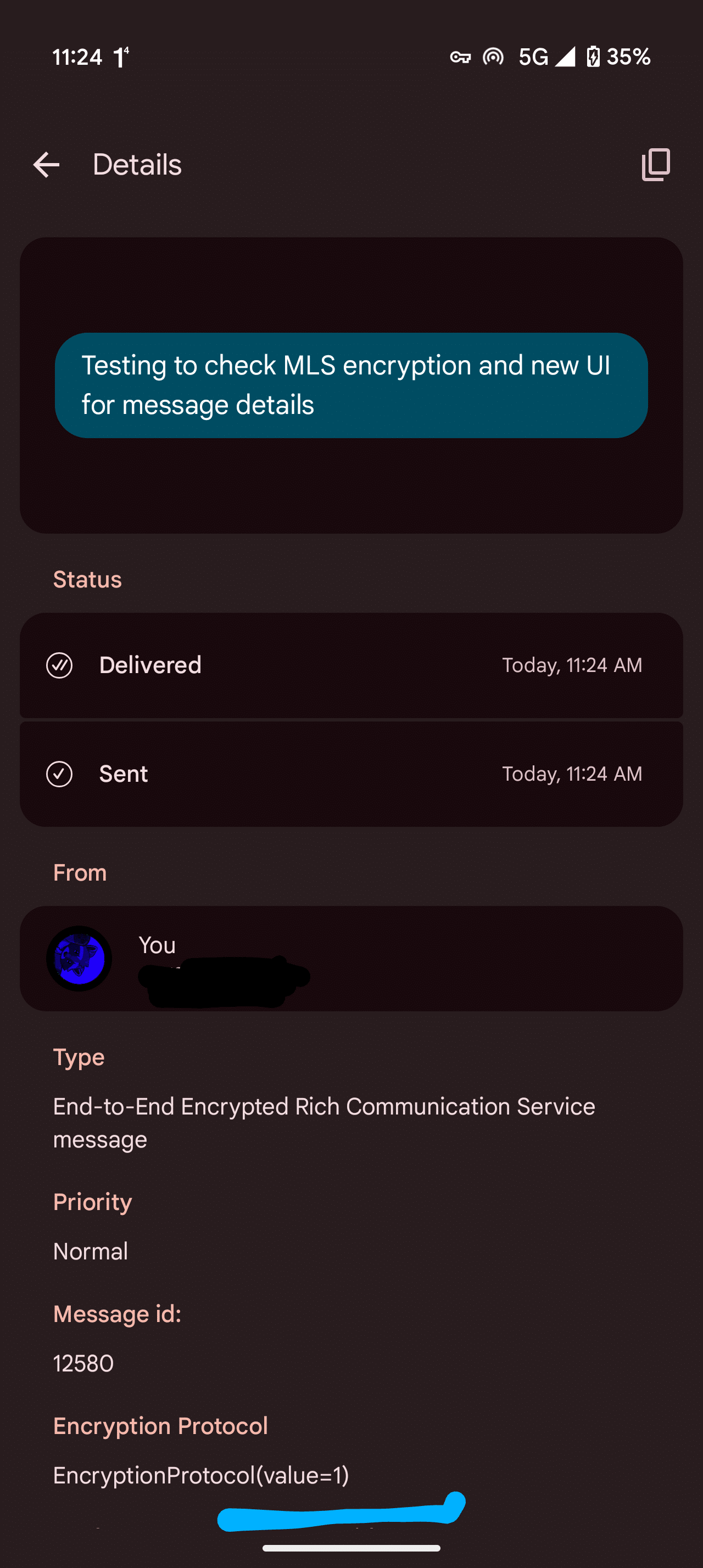
A significant portion of the June 2026 update involves how Google Messages handles high-resolution media and encryption. Users on the latest version of the application can expect more consistent end-to-end encryption (E2EE) markers, which provide visual confirmation that a conversation is secure. This shift is part of Google’s broader commitment to privacy, as outlined in the Google Safety Center documentation. The implementation ensures that even as the platform scales to support larger group chats, the cryptographic handshake remains efficient and transparent to the end user.
Beyond security, the update addresses media compression issues that have historically affected RCS messaging. Google has integrated improved encoding algorithms that allow for the transmission of larger image and video files without the significant quality loss often associated with legacy SMS/MMS protocols. According to technical documentation provided by the Google Developers portal, these changes are designed to optimize bandwidth usage, particularly in regions with variable network connectivity, ensuring that media delivery remains reliable regardless of the user’s data environment.
Enhanced Organization and User Interface Controls
Google has also introduced granular controls for message organization, allowing users to categorize conversations more effectively. This feature, which began appearing for beta testers in early 2026, is now reaching the stable release channel. It enables the automatic sorting of messages into categories such as Personal, Business, and OTP (One-Time Password) codes. This systematic approach to inbox management is intended to reduce clutter, a common pain point for users who receive a high volume of automated service notifications, as reported by the Google Messages support community.
The interface updates extend to the “Magic Compose” feature, which utilizes generative AI to suggest contextual replies. While this feature has been in development for several months, the June 2026 update refines its performance, reducing latency when generating suggestions. The integration follows the guidelines established by the Google AI Principles, which emphasize safety and user oversight in the deployment of automated writing assistance tools. By allowing users to toggle these suggestions on or off, Google retains the balance between convenience and user agency.
What Happens Next for Android Messaging
The rollout of these features is not instantaneous; it is being managed through staggered server-side updates. Consequently, not all users will see the new functionality simultaneously, even if they have updated their application via the Google Play Store. Users are encouraged to check the Google Play Store listing for Messages to ensure they are running the most recent version, which is currently version 2026.06.x or higher.
For the remainder of the year, industry analysts anticipate further integration between Google Messages and other productivity suites within the Android ecosystem. Future updates are expected to focus on deeper synchronization with cross-device workflows, such as seamless transitions between mobile devices, tablets, and web-based messaging clients. As Google continues to iterate on the platform, users should monitor the official Google Keyword blog for announcements regarding the next major feature drop, typically scheduled for the third quarter of the year. Please share your experiences with these new features in the comments below.
Worth a look