
The Norwegian national football team’s decision to attend an NHL ice hockey game during their recent training camp in the United States has generated significant public discourse and media attention. While the team was in the U.S. for international fixtures, the recreational outing became a focal point for observers analyzing the squad’s preparation and professional focus. According to reports from national broadcasters, the players attended the match as a team-building exercise, a move that invited both curiosity and scrutiny regarding the balance between high-performance training and downtime.
The incident, which saw star forward Erling Braut Haaland and his teammates in the stands, sparked a debate on the visibility of elite athletes during their travel periods. In professional sports, such public appearances often serve as a barometer for team chemistry, though they can also lead to questions about the rigorousness of training schedules when results on the pitch are under intense pressure. As noted by the Norwegian Football Federation (NFF), the team’s itinerary is managed to ensure that players remain physically prepared while also managing the mental demands of international competition.
The Context of the U.S. Training Camp
The Norwegian national team utilized the United States for a training camp environment, a common practice for European squads looking to distance themselves from local media pressure and utilize high-level facilities. The decision to integrate an NHL game into the schedule was reportedly intended to foster camaraderie, yet the public nature of the event brought the players into the spotlight of American sports media. According to Reuters sports reporting, international squads often face a delicate balance between maintaining a low profile and engaging with the host culture during extended overseas camps.
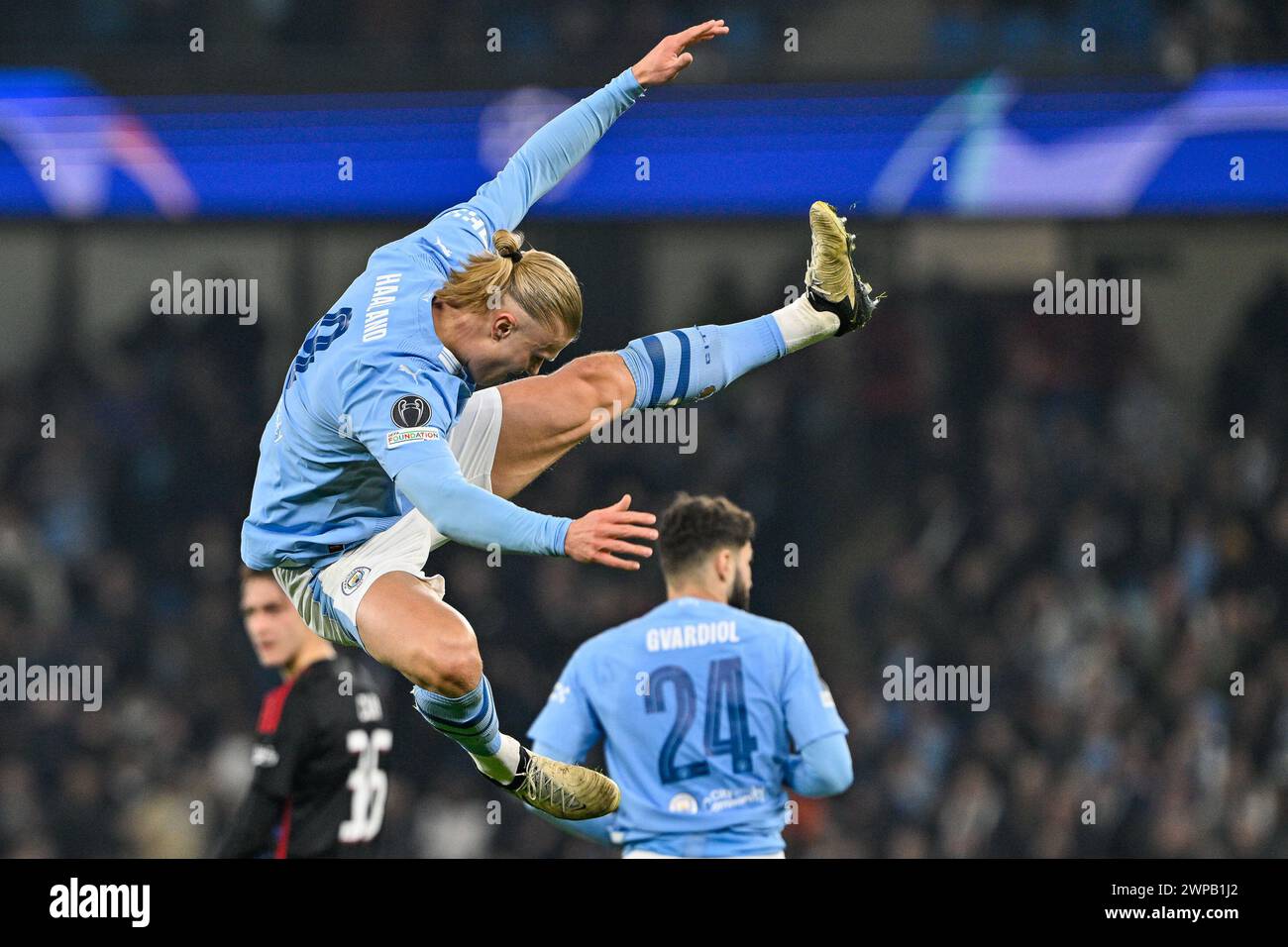
The focus on the hockey outing is reflective of the heightened scrutiny surrounding Erling Braut Haaland. As one of the most recognized athletes in global football, his activities are subject to constant monitoring. The discourse surrounding the team’s attendance at the hockey match highlights the challenge of maintaining team cohesion while being a focal point for international fan bases and media outlets.
Professional Standards and Public Perception
The conversation surrounding the team’s hockey trip has touched upon broader themes of professional conduct and the expectations placed on national team players. Critics and supporters alike have weighed in on whether such activities detract from the primary mission of the camp. According to the Union of European Football Associations (UEFA), national associations are granted autonomy in how they structure their training camps, provided that performance standards and player welfare are maintained.
The debate has underscored a divide in how different segments of the sporting public view modern football. For some, the inclusion of extracurricular activities is a necessary component of modern sports psychology, designed to alleviate the pressure of elite-level competition. For others, the focus should remain entirely on tactical preparation and physical conditioning, particularly when the team is in a phase of development or attempting to qualify for major tournaments.
What the Team’s Presence Means for Future Preparation
Looking ahead, the Norwegian team faces a period of evaluation following their U.S. tour. The team is scheduled to return to competitive action in the upcoming UEFA Nations League fixtures, where the focus will shift back to on-field performance. The NFF has indicated that they will continue to review their training camp protocols to ensure they align with the team’s objectives, according to official statements released via the NFF official portal.

The incident serves as a reminder of the constant visibility of modern athletes. Whether such outings are viewed as beneficial team-building or an unnecessary distraction, they remain a part of the landscape for modern national teams. As the squad prepares for their next official match, the emphasis will undoubtedly return to the tactical adjustments and squad depth required to compete at the highest level in European football.
The next major checkpoint for the national team is the upcoming international window, where official lineups and tactical strategies will be scrutinized ahead of their next qualifying match. We encourage our readers to share their thoughts on the balance between team-building activities and traditional training in the comments section below.
Worth a look