
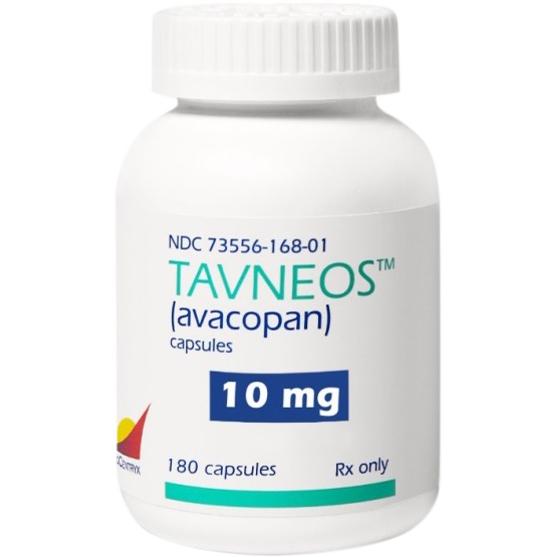
Amgen has commissioned an independent review of the clinical data supporting Tavneos (avacopan) to address ongoing regulatory scrutiny from the U.S. Food and Drug Administration (FDA) regarding the drug’s approval. The pharmaceutical giant, which acquired the treatment through its 2022 purchase of ChemoCentryx, faces pressure as federal regulators weigh the validity of trial results that were previously the subject of securities fraud litigation. According to documents filed with the U.S. Securities and Exchange Commission, the company is proactively engaging third-party experts to validate the integrity of the data used to secure market authorization for the treatment of anti-neutrophil cytoplasmic antibody-associated vasculitis.
The FDA’s current focus on Tavneos stems from allegations of data manipulation that emerged during civil litigation against ChemoCentryx. While the drug, an oral C5a receptor antagonist, remains on the market, the agency has signaled potential concerns over the safety and efficacy profiles presented during the original New Drug Application (NDA) process. Amgen maintains that the drug’s clinical benefits, specifically its ability to reduce reliance on high-dose corticosteroids, remain robust. The company’s decision to enlist an independent audit is widely viewed by industry analysts as a strategic move to preemptively resolve concerns before they escalate into formal regulatory action or a request for withdrawal.
Regulatory Context and the Path to Approval
Tavneos received FDA approval in October 2021 as an adjunctive treatment for adult patients with severe active ANCA-associated vasculitis, a group of rare, life-threatening autoimmune diseases that cause inflammation of small blood vessels, as documented in the official FDA approval announcement. At the time of the initial review, the agency evaluated data from the pivotal ADVOCATE clinical trial, which assessed the drug’s efficacy in maintaining remission. However, the subsequent legal challenges involving ChemoCentryx raised questions regarding the oversight of trial sites and the accuracy of reported outcomes.

For patients and healthcare providers, the primary concern involves the potential for a market removal or a change in labeling that could restrict access to the medication. Amgen has stated that it is cooperating fully with the FDA’s ongoing requests for information. The company’s move to conduct an independent review serves as an attempt to provide a “clean bill of health” for the data, which could be submitted to the agency to mitigate fears that the clinical findings were compromised by the conduct of the drug’s original developer.
Understanding the Allegations of Data Manipulation
The core of the dispute lies in whether the clinical trial data was accurately captured and reported by investigators during the development phase led by ChemoCentryx. Securities litigation involving the original developer alleged that certain trial protocols were not strictly followed and that data points may have been influenced to favor a positive outcome for the drug. These allegations, while civil in nature, caught the attention of federal regulators who are tasked with ensuring that all approved therapies meet the highest standards of safety and efficacy under the Federal Food, Drug, and Cosmetic Act, as outlined by FDA regulatory guidelines.
Internal audits are a common tool in the pharmaceutical industry when a company inherits a product from a predecessor with a checkered legal history. By commissioning an independent review, Amgen aims to isolate its own operational standards from those of ChemoCentryx. The company has not publicly disclosed the names of the independent reviewers, but the findings from this audit are expected to be a critical component of any future discussions with the FDA regarding the continued marketing status of Tavneos.
What Happens Next for Patients and Stakeholders
There is currently no immediate change to the availability of Tavneos for patients diagnosed with ANCA-associated vasculitis. The drug remains a therapeutic option for clinicians managing patients who have not responded well to traditional immunosuppressive therapies. The next significant checkpoint will be the submission of the independent audit results to the FDA, which will then determine whether the provided evidence is sufficient to address the agency’s safety and integrity concerns.
Healthcare providers and patients are encouraged to monitor the FDA’s Drugs@FDA database for any updates regarding labeling changes or regulatory status. As the investigation continues, the medical community remains focused on the long-term safety data of C5a receptor antagonists in managing complex autoimmune conditions. Whether the FDA will require a new clinical trial or accept the findings of the independent review remains the central question for market analysts and patient advocacy groups alike.
We invite our readers to share their perspectives on the role of independent audits in restoring regulatory trust in the comments section below. For ongoing updates on this developing story, subscribe to our health policy newsletter.
Keep reading