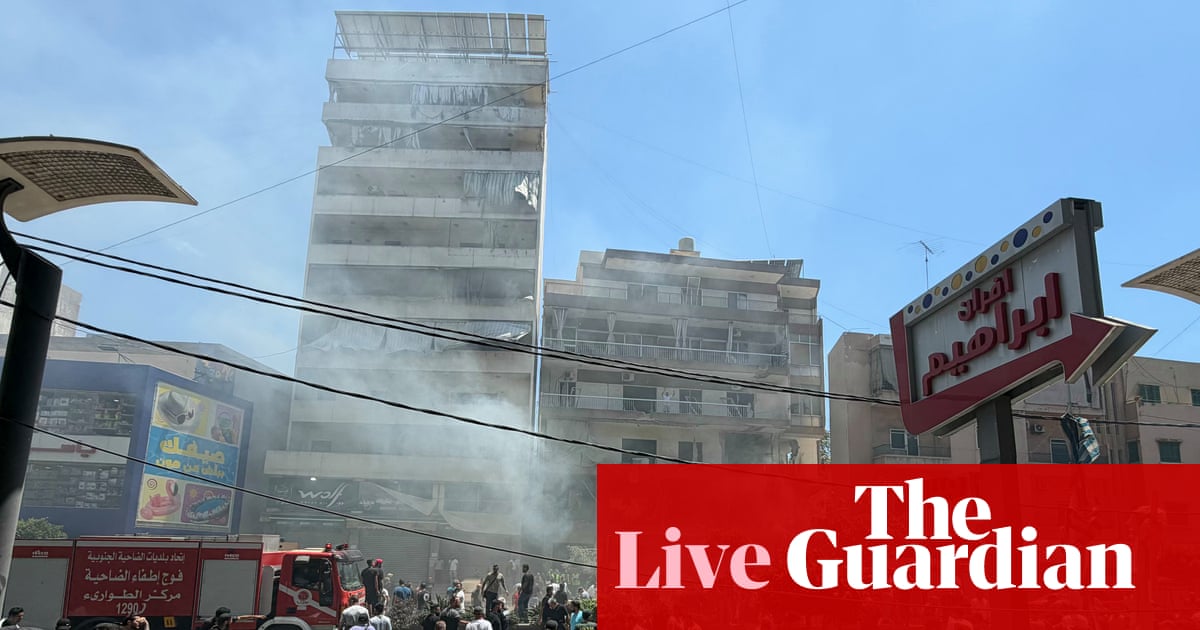
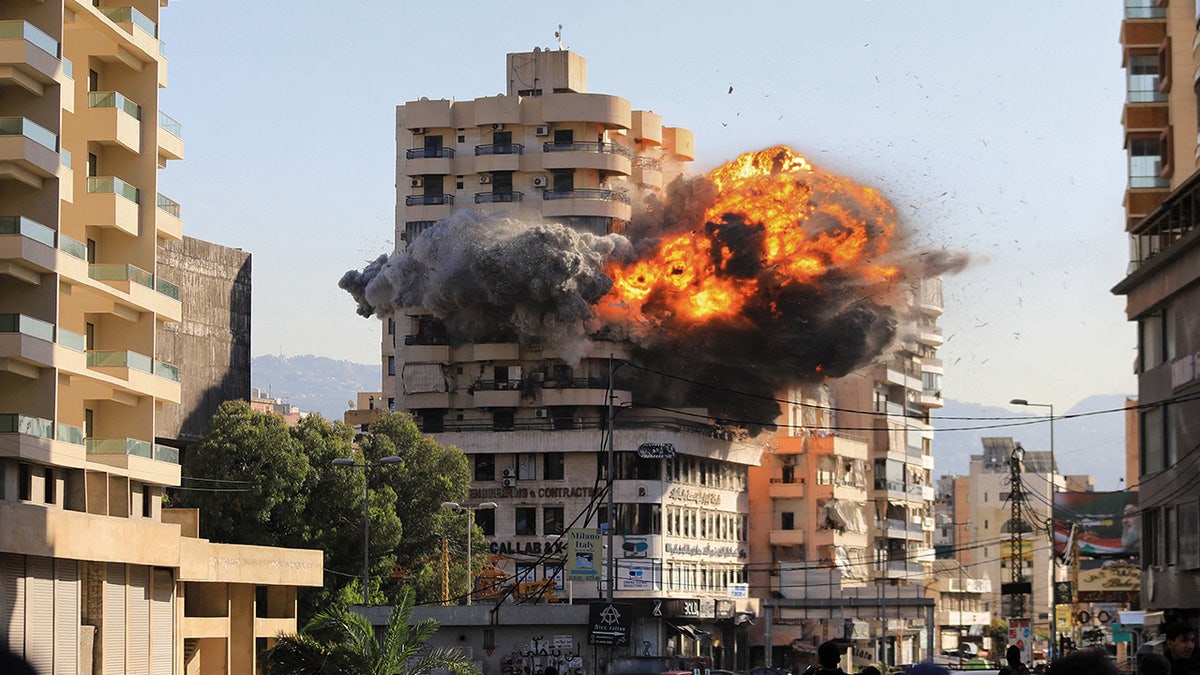
United States President-elect Donald Trump has publicly urged Israel to exercise restraint in its military operations in Lebanon, warning that the country should not “blow it” regarding potential peace agreements. This call for de-escalation follows a series of Israeli airstrikes targeting the Dahiyeh district in Beirut’s southern suburbs, an area identified by the Israeli military as a stronghold for Hezbollah. According to a joint statement from Prime Minister Benjamin Netanyahu and Defense Minister Israel Katz, these strikes were conducted in direct response to rocket fire from Hezbollah into Israeli territory.
The Diplomatic Context of the Beirut Strikes
The recent military activity in Beirut occurs amid fragile international efforts to secure a long-term ceasefire between Israel and Hezbollah. President-elect Trump’s intervention, delivered via his Truth Social platform, underscores the high-stakes nature of the ongoing negotiations. Trump emphasized that the current environment requires caution to prevent the collapse of potential peace deals, stating, “Let’s not blow it.” His comments signal a desire to influence the regional trajectory before his formal inauguration in January 2025.
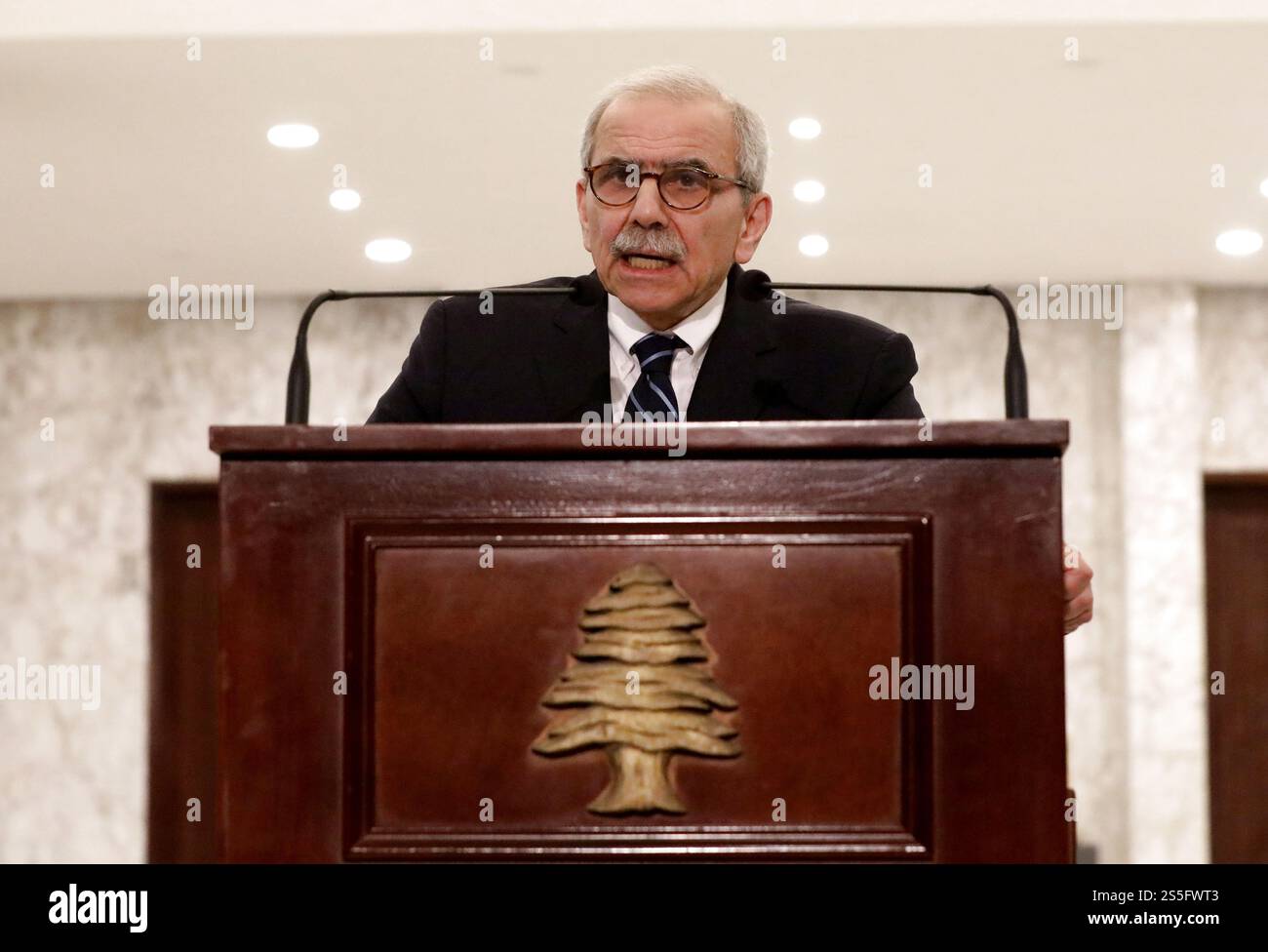
The Israeli government maintains that its military actions are essential for national security. Following the strikes, Prime Minister Benjamin Netanyahu and Defense Minister Israel Katz confirmed that the operations targeted specific Hezbollah infrastructure. The Israeli military stated that the strikes were a necessary defensive measure against persistent cross-border attacks. For further details on the status of these negotiations, the U.S. Department of State provides periodic updates on regional diplomatic initiatives.
Military Escalation and Regional Responses
The situation remains volatile, with Iran warning that the Israeli strikes against Hezbollah will not go unanswered. This rhetoric reflects the broader regional tension, as Iran continues to support Hezbollah in its conflict with Israel. The strikes on the Dahiyeh district—a densely populated area—have resulted in significant explosions, visible across the Lebanese capital. According to the United Nations Interim Force in Lebanon (UNIFIL), the risk of miscalculation remains high as both sides continue to exchange fire.
The Israeli military has consistently characterized its operations in Lebanon as “targeted” efforts to degrade Hezbollah’s military capabilities. However, these actions have drawn criticism from regional stakeholders who argue that the intensity of the strikes threatens to broaden the conflict. The Iranian foreign ministry has characterized the latest Israeli military moves as a violation of sovereignty, heightening expectations of a potential retaliatory response.
What Happens Next in the Region
The immediate future of the conflict depends on whether the parties involved can maintain the current ceasefire terms or if the recent escalations will lead to a broader regional confrontation. Diplomats are currently focused on preventing a cycle of retaliation that could derail the transition of power in Washington. The White House continues to monitor the situation, though the current administration and the incoming Trump team have maintained distinct approaches to Middle East policy.
Observers are monitoring for signs of de-escalation, specifically looking for a cessation of rocket fire from Hezbollah and a corresponding halt in Israeli airstrikes. The next major checkpoint for these diplomatic efforts will be the upcoming series of meetings scheduled between U.S. envoys and regional leaders in early December. Readers are encouraged to follow official updates from international monitoring bodies for verified information as the situation evolves. Please share your thoughts on these developments in the comments section below.
Keep reading