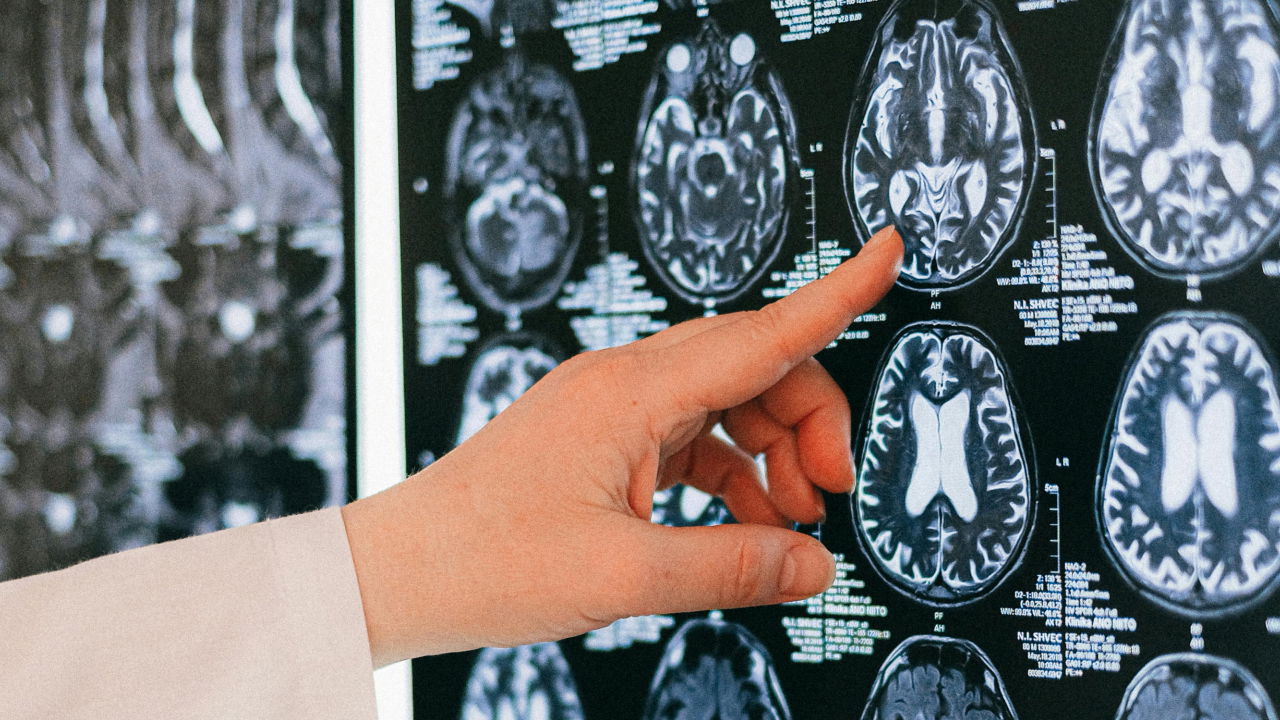
Researchers have identified specific structural differences in the brains of individuals exhibiting psychopathic traits, marking a significant step in the biological understanding of antisocial behavior. Neuroimaging studies indicate that those who score high on psychopathy scales often show reduced gray matter volume in areas associated with empathy, moral processing, and emotional regulation, particularly the paralimbic system. According to findings published by the National Institute of Mental Health, these neurological markers provide a physical foundation for behaviors traditionally categorized through psychological assessment alone.
The study of psychopathy has long relied on behavioral inventories, most notably the Hare Psychopathy Checklist-Revised (PCL-R). However, recent advancements in magnetic resonance imaging (MRI) have allowed clinicians to transition from purely subjective diagnostic criteria to observable physiological data. By mapping the architecture of the brain, scientists are working to clarify how structural variations might contribute to the core characteristics of psychopathy: a profound lack of remorse, impulsive behavior, and a diminished capacity for emotional connection.
Mapping the Psychopathic Brain
The primary focus of current neuroscientific research centers on the prefrontal cortex and the amygdala. Research conducted at King’s College London suggests that individuals with high levels of psychopathy show consistent thinning in the orbitofrontal cortex. This region is critical for decision-making and the processing of social rewards and punishments. When this area functions atypically, individuals may struggle to integrate emotional feedback into their decision-making processes, which often leads to the repetitive, maladaptive behaviors observed in clinical settings.
Furthermore, the amygdala—the brain’s center for threat detection and fear response—frequently appears underactive or structurally altered in these populations. A study published in the journal The Lancet Psychiatry highlighted that reduced connectivity between the amygdala and the prefrontal cortex may explain why individuals with psychopathic traits do not exhibit the typical physiological stress response to threatening or distressing stimuli. This disconnect suggests that the “emotional brakes” that prevent most people from engaging in harmful behavior may be structurally impaired in those with psychopathic profiles.
Distinguishing Psychopathy from Antisocial Personality Disorder
While the terms are often used interchangeably in popular media, clinical researchers emphasize a distinction between psychopathy and Antisocial Personality Disorder (ASPD). According to the American Psychiatric Association, while many individuals with psychopathy meet the criteria for ASPD, the inverse is not always true. ASPD is primarily defined by a pattern of disregard for the rights of others and social norms, whereas psychopathy is viewed as a more specific, severe subset characterized by a deeper lack of empathy and a callous, predatory interpersonal style.
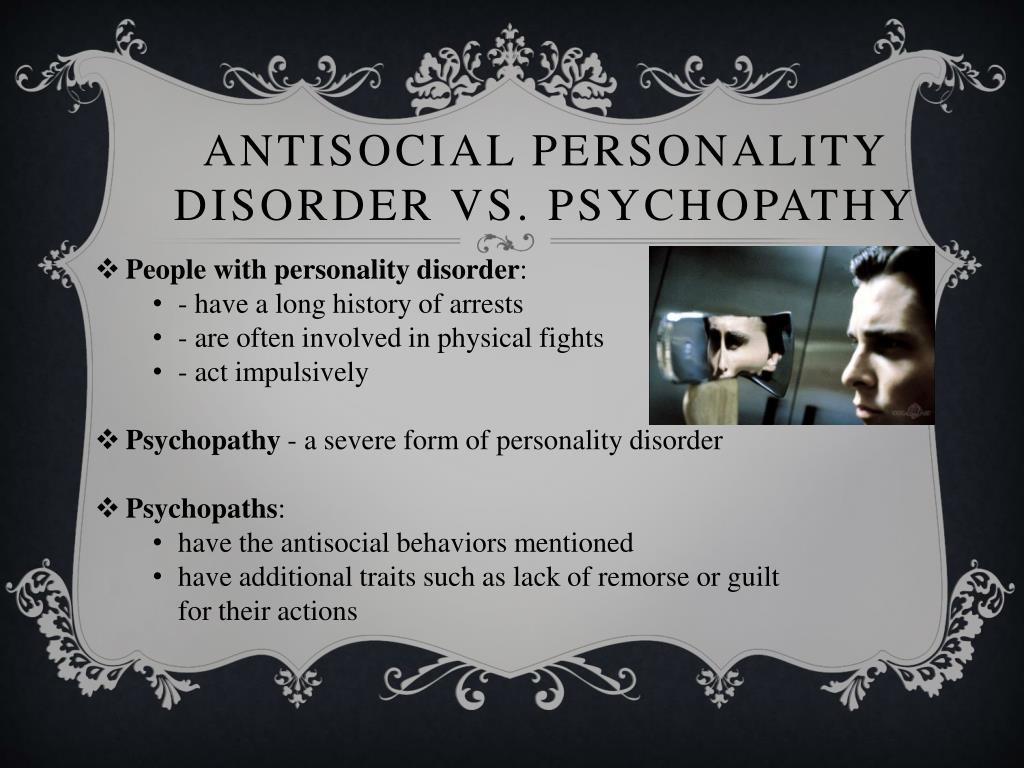
Neuroimaging data has begun to support these diagnostic boundaries. Research indicates that the structural brain differences in those with psychopathy are often more localized and severe than those found in the broader ASPD population. These biological insights are essential for forensic psychology, where the distinction can influence risk assessment and the development of targeted therapeutic interventions. However, experts caution that these brain scans are currently research tools rather than diagnostic instruments for legal or clinical identification.
The Future of Neuro-Criminology
The integration of neuroscience into the legal and clinical landscape raises significant questions regarding accountability and rehabilitation. Critics of “neuro-determinism” argue that identifying a structural brain difference should not imply that an individual is incapable of moral agency. The American Psychological Association maintains that human behavior is the result of complex interactions between biological predisposition, environmental factors, and individual choice. Brain structure is not synonymous with destiny.

Looking ahead, the next checkpoint for this field involves longitudinal studies that track brain development from childhood through adulthood. Researchers aim to determine whether these structural variations are present from birth or if they are the result of early-life trauma and environmental influences. As the scientific community continues to gather data, the focus remains on using these findings to improve early intervention strategies rather than creating a biological profile for exclusion or discrimination.
Readers interested in the latest clinical updates on neurodevelopmental research can follow the official registries maintained by the National Institutes of Health. We invite our readers to share their thoughts on the intersection of neuroscience and behavioral health in the comments section below.
Keep reading