SpaceX is preparing a hybrid mobile network using newly acquired mid-band spectrum and potential terrestrial tower assets from Dish Wireless to supercharge its Starlink Direct-to-Cell service. Announced with an eye toward commercial rollout by late 2027, the infrastructure aims to combine satellite reach with urban 5G ground stations.
SpaceX is expanding its telecommunications strategy beyond orbit by developing a terrestrial infrastructure designed to complement its satellite constellation. According to reporting on the hybrid network strategy, the company intends to pair its space-based network with mini-relay antennas on the ground to handle high-density urban environments where traditional satellite signals struggle to penetrate buildings.
Acquiring Spectrum and Ground Assets from Dish Wireless
The foundation of this terrestrial push rests on valuable mid-band radio spectrum, including AWS-4 and H-block, which SpaceX acquired in a 17 billion dollar agreement after EchoStar spent years developing it. Dish previously installed more than 144,000 radios across roughly 24,000 tower sites, mapping out a dense footprint along the East Coast, California, Texas, the Midwest, and major cities—covering exactly 80% of the U.S. population. Those physical tower rights and radios are slated for sale in Dish’s bankruptcy auction in mid-August 2026, where EchoStar is the stalking horse bidder at 300 million dollars.
During the presentation of its latest financial results, SpaceX President Gwynne Shotwell confirmed an aggressive strategy to gain market share starting in 2027. Rather than building gigantic, extremely costly cellular towers, the company plans to leverage 65 megahertz of bandwidth recovered as a technical foundation and deploy decentralized, compact ground stations similar to femtocells. These small stations of low power covering a short distance would couple directly with existing satellite dishes to emit a strong local signal capable of bypassing massive urban obstacles like large concrete buildings.
Blending Terrestrial Speeds with Global Satellite Coverage
The dual-connectivity model relies on smart software, including dynamic spectrum sharing and beamforming, to coordinate signals between ground towers and orbiting spacecraft. In cities and suburbs, users would utilize existing Dish towers and radios as regular 5G cell towers delivering fast speeds from 100 to 200 Mbps or more. Everywhere else—such as rural areas, highways, oceans, and mountains—devices would switch automatically to Starlink Direct-to-Cell satellites that talk straight to normal smartphones without needing special hardware, providing one app, one bill, and one seamless experience.
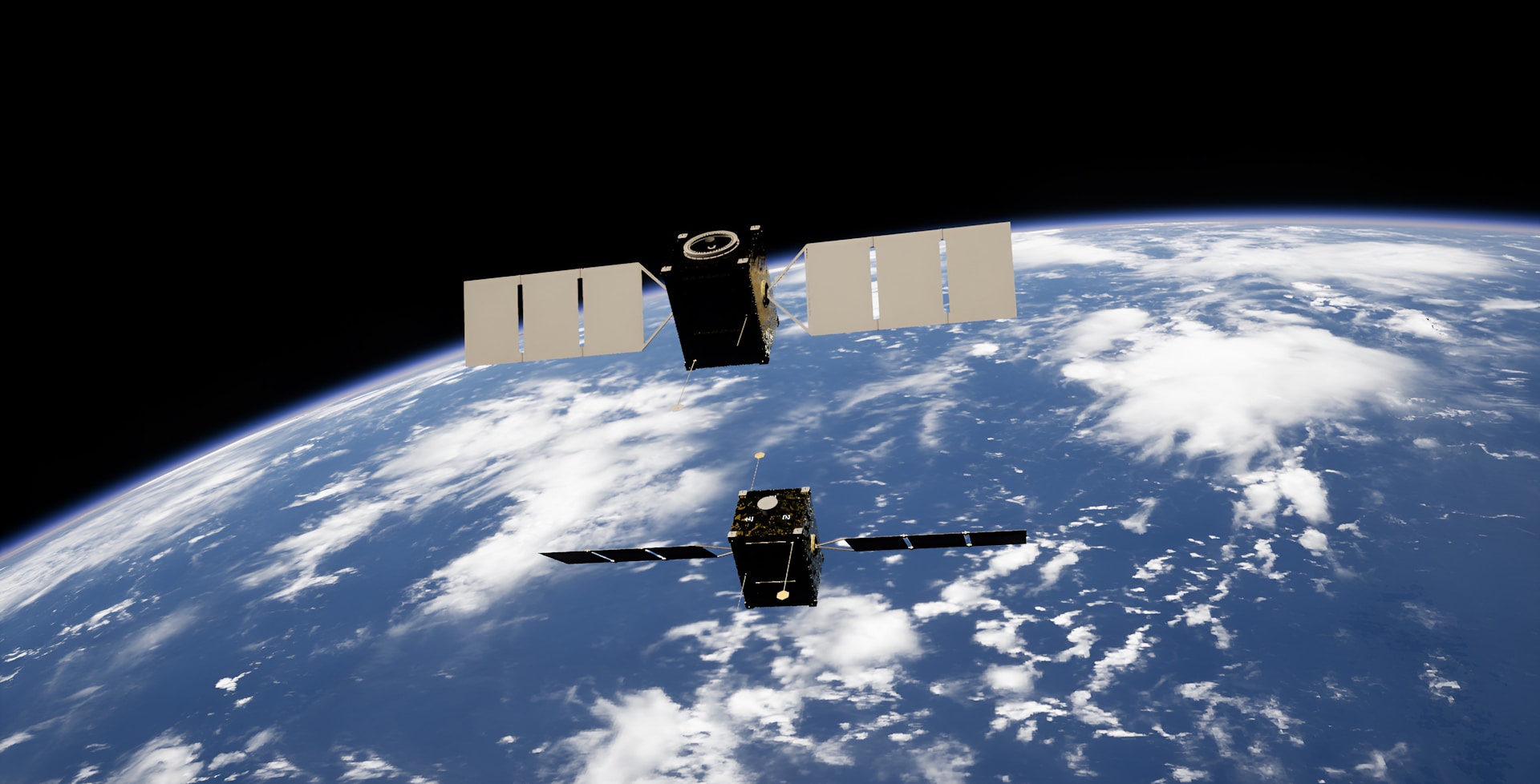
Where fiber is missing, backhaul connecting the towers to the internet can use Starlink itself on about 40% of the sites. Satellites get priority in empty areas, while towers get priority and more power where people are. Elon Musk also estimates that this synergy between the ground and new satellites will offer unmatched service quality compared to traditional offerings from Verizon or AT&T in the United States.
Megaconstellation Maintenance and Starlink Satellite Burn-Ups
While building out future network capacity, SpaceX continues to actively manage its massive orbital fleet. SpaceX has deliberately made 260 Starlink satellites burn up in the atmosphere between December 2025 and May 2026, according to a report filed with the U.S. Federal Communications Commission (FCC). Out of those retired units, 176 of the 260 belonged to the first-generation system, with the rest coming from the more recent generation. This deliberate deorbit cycle is integrated into the routine management of the megaconstellation as older satellites reach their approximately five-year lifespan, exhaust their propellant reserves, use their final propellants to lower their orbit, and penetrate the atmosphere to be consumed entirely. During the same period, 349 additional satellites were decommissioned and are scheduled to be deorbited soon. SpaceX affirms that this method leaves no debris in orbit or on the ground. This regular renewal is explained by the technological evolution of the network as the company works on more powerful satellites capable of supporting new services like Starlink Mobile designed to directly connect cell phones. Another project in development, the A1 satellite, plans to carry an orbital computing payload with a power capacity of 120 kW. The Starlink network already counts more than 10,000 satellites in low Earth orbit and equips numerous airlines, with plans to deploy up to 42,000 in total after obtaining FCC authorization in January for 7,500 additional second-generation satellites. Although the firm assures that its satellites disintegrate entirely during atmospheric reentry, researchers are questioning the potential effects of the sustained deorbit pace while regulatory questions remain pending regarding the authorization to operate massively on those specific bands.
Related reading
- Political Learning Trends Among Chile’s Youth Under 40
- Massive npm Supply-Chain Attack Hits 400+ Packages to Steal Developer Credentials
- SpaceX Insiders Can Sell 912 Million Shares as First Lockup Expires (news-usa.today)
- SpaceX Engineer Plans to Cash Out $23M Stake Following Nasdaq Listing (archyworldys.com)