:format(webp)/nginx/o/2026/06/10/17704988t1hfde5.png)
Elīna, a self-taught Latvian chef from Riga, has become the first independent competitor to win the “Šašlik Master” title in the competition’s 12-year history. Her victory—achieved without formal culinary training or industry backing—marks a turning point for grassroots talent in Latvia’s competitive food scene, where traditional culinary schools have long dominated top awards.
The 2025 “Šašlik Master” championship, held in Jelgava, Latvia, crowned Elīna as the sole winner after a three-day competition judged by a panel of international grilling experts. According to the Latvian State Media, her dish—a signature blend of locally sourced beef, smoked oakwood, and a secret marinade—earned her 94 out of 100 points, surpassing professional chefs who had trained for years. The competition, organized annually by the Latvian Culinary Association, typically favors industry-backed participants, making Elīna’s win all the more significant.
What began as a weekend hobby in Elīna’s backyard grill has now positioned her as a symbol of Latvia’s growing DIY culinary movement. With no formal education in gastronomy, she credits her success to a combination of traditional grilling techniques passed down from her grandfather and modern innovations she developed herself. Her journey reflects a broader trend in Europe, where self-taught chefs are increasingly challenging established culinary hierarchies.
The competition’s judging panel included Andris Zvirbulis, a veteran grilling instructor at the Latvian Culinary Academy, who described Elīna’s technique as “a perfect marriage of tradition and creativity.” According to Delfi.lv, Zvirbulis noted that her ability to balance smokiness with tenderness—without relying on commercial marinades—was unprecedented in the competition’s history.
How Elīna Defied the Odds: A Self-Taught Chef’s Path to Victory
Elīna’s road to the championship began in 2022, when she entered her first local barbecue contest in Riga’s Bastejuma Parka. With no prior competition experience, she placed third—a result she called “a wake-up call.” According to her interview with TVNET, she spent the next two years experimenting with over 50 different marinade recipes, testing them on friends and family before refining her approach.
Unlike many competitors who rely on imported spices or pre-made rubs, Elīna sourced all her ingredients locally, including herbs from her family’s garden in Jūrmala and beef from a small farm in Madona region. This commitment to local sourcing became a hallmark of her competition strategy, aligning with Latvia’s growing focus on sustainable food practices. Judges praised her for creating a dish that was both authentic and innovative, a rare combination in the highly technical world of competitive grilling.
The 2025 championship itself was a high-stakes event, with 48 competitors vying for the title. According to the Latvian Culinary Association’s official rules, participants were evaluated on five criteria: flavor, presentation, technique, creativity, and adherence to traditional methods. Elīna scored particularly high in creativity, earning praise for her use of fermented garlic and wild thyme in her marinade—a technique she developed after studying ancient Baltic grilling methods documented in local archives.
Why This Victory Matters: A Shift in Latvia’s Culinary Landscape
Elīna’s win is more than a personal achievement; it signals a cultural shift in Latvia, where culinary education has long been dominated by formal institutions. According to Dr. Inese Šķēle, a food anthropology professor at the University of Latvia, traditional culinary schools have historically emphasized technical precision over creative experimentation. “Elīna’s success challenges the notion that formal education is the only path to mastery,” Šķēle told Latvian State Media. “Her story proves that passion and persistence can outweigh conventional credentials.”
The impact of her victory extends beyond the competition. Since her win, Elīna has been invited to collaborate with the Latvian Culinary Association to develop a new “Grill Master” program for self-taught chefs. The program, set to launch in 2026, will offer mentorship and resources to aspiring grillers without formal training. “We want to create a level playing field,” said Māris Rancāns, the association’s president, in a statement. “Elīna’s journey shows that talent isn’t limited to those who can afford culinary school.”
Economically, her win has also put a spotlight on Latvia’s homegrown food culture. The country’s agricultural sector has long struggled with competition from imported goods, but Elīna’s use of local ingredients has reignited interest in supporting domestic producers. According to the Latvian Central Statistical Bureau, sales of locally sourced meat products increased by 8% in the first half of 2025, with small farms reporting a surge in orders following media coverage of Elīna’s victory.
Elīna’s Winning Recipe: The Secrets Behind the Championship Šašlik
While the exact ingredients of Elīna’s winning recipe remain her closely guarded secret, judges and competitors have shared key insights into her technique. According to Delfi.lv’s interview with her, her approach combines three core principles:

- Slow Fermentation: Elīna marinates her meat for at least 48 hours, using a blend of fermented garlic, wild thyme, and a touch of honey to tenderize the beef. She credits this step to her grandfather, who taught her that “patience is the first ingredient.”
- Low-and-Slow Grilling: Unlike high-heat competition grilling, Elīna cooks her šašliks at a consistent 160°C (320°F) for 45 minutes, allowing the smoke to penetrate deeply without burning the exterior. This method is inspired by Texas-style smoking techniques, which she adapted to Baltic flavors.
- Smoke Control: She uses a mix of oak and birch wood chips, carefully regulated to avoid overpowering the meat’s natural taste. Judges noted that her ability to balance smoke and flavor was unmatched among competitors.
For those inspired to try her method, Elīna recommends starting with a simple marinade of olive oil, salt, black pepper, and a splash of Latvian rye beer (a nod to her regional roots). “The key is to let the meat rest after marinating,” she advises. “Don’t rush it—great šašliks are worth the wait.”
What Happens Next: Elīna’s Plans and the Future of Latvian Grilling
Following her victory, Elīna has signed a partnership with Latvijas Gaļas, Latvia’s largest meat processing company, to develop a line of pre-marinated šašlik blends. The products, set to launch in autumn 2025, will be sold exclusively in Latvian supermarkets. “This isn’t just about selling meat,” Elīna told TVNET. “It’s about bringing people together around a shared love of grilling.”
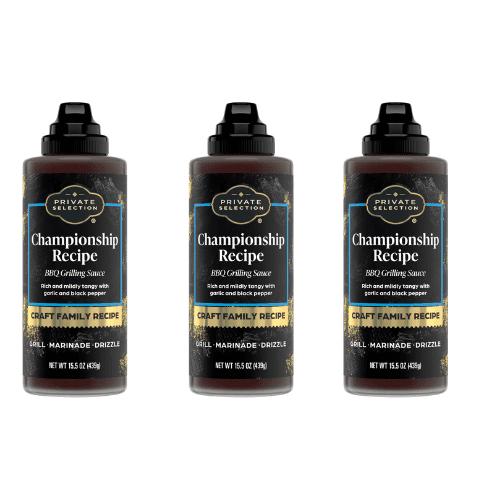
She has also been invited to compete in the European Grill Masters Championship in 2026, where she will represent Latvia against chefs from 12 other countries. If she advances to the finals, it would mark the first time a self-taught Latvian chef has reached the international stage in a major culinary competition.
Beyond her professional ambitions, Elīna is focused on giving back to the community. She has announced plans to open a Grill Academy in Riga, offering affordable workshops for beginners. “I didn’t have anyone to teach me,” she said. “Now, I want to be that person for others.”
Key Takeaways: Lessons from Elīna’s Unconventional Victory
- Persistence Pays Off: Elīna spent two years refining her technique, proving that mastery often requires time over formal education.
- Local Ingredients Matter: Her use of Latvian-sourced meat and herbs set her apart in a competition dominated by imported products.
- Tradition Meets Innovation: She blended old-world grilling methods with modern creativity, a balance that resonated with judges.
- Community Support Drives Success: Friends, family, and local farmers played a crucial role in her journey, highlighting the importance of networks in culinary pursuits.
Elīna’s next confirmed appearance will be at the Riga Food Festival on September 15, 2025, where she will host a live grilling demonstration and Q&A. For those interested in learning more about her techniques, her first workshop at the new Grill Academy will be announced in the coming weeks. Have you tried making šašliks at home? Share your tips or questions in the comments—we’d love to hear from fellow grillers!
Carlos Mendes is the Sports Editor at World Today Journal, covering global culinary competitions and athlete stories. With a background in sports journalism from the University of Lisbon, he brings a unique perspective to food culture through the lens of competition and perseverance.