
Persistent coughing that fails to resolve with standard cold treatment can occasionally signal serious underlying pulmonary conditions, including tuberculosis or structural lung damage. Medical professionals emphasize that when a cough lingers beyond three to eight weeks, it is classified as chronic, necessitating a clinical evaluation that typically includes diagnostic imaging such as a chest X-ray to rule out significant pathology.
In clinical practice, a chronic cough is rarely the only symptom of a serious infection, though it serves as a primary indicator for patients to seek medical intervention. According to the Centers for Disease Control and Prevention (CDC), while many coughs are self-limiting, those accompanied by weight loss, night sweats, or abnormal findings on imaging require immediate investigation to identify pathogens or anatomical issues.
Understanding Chronic Cough and Pulmonary Imaging
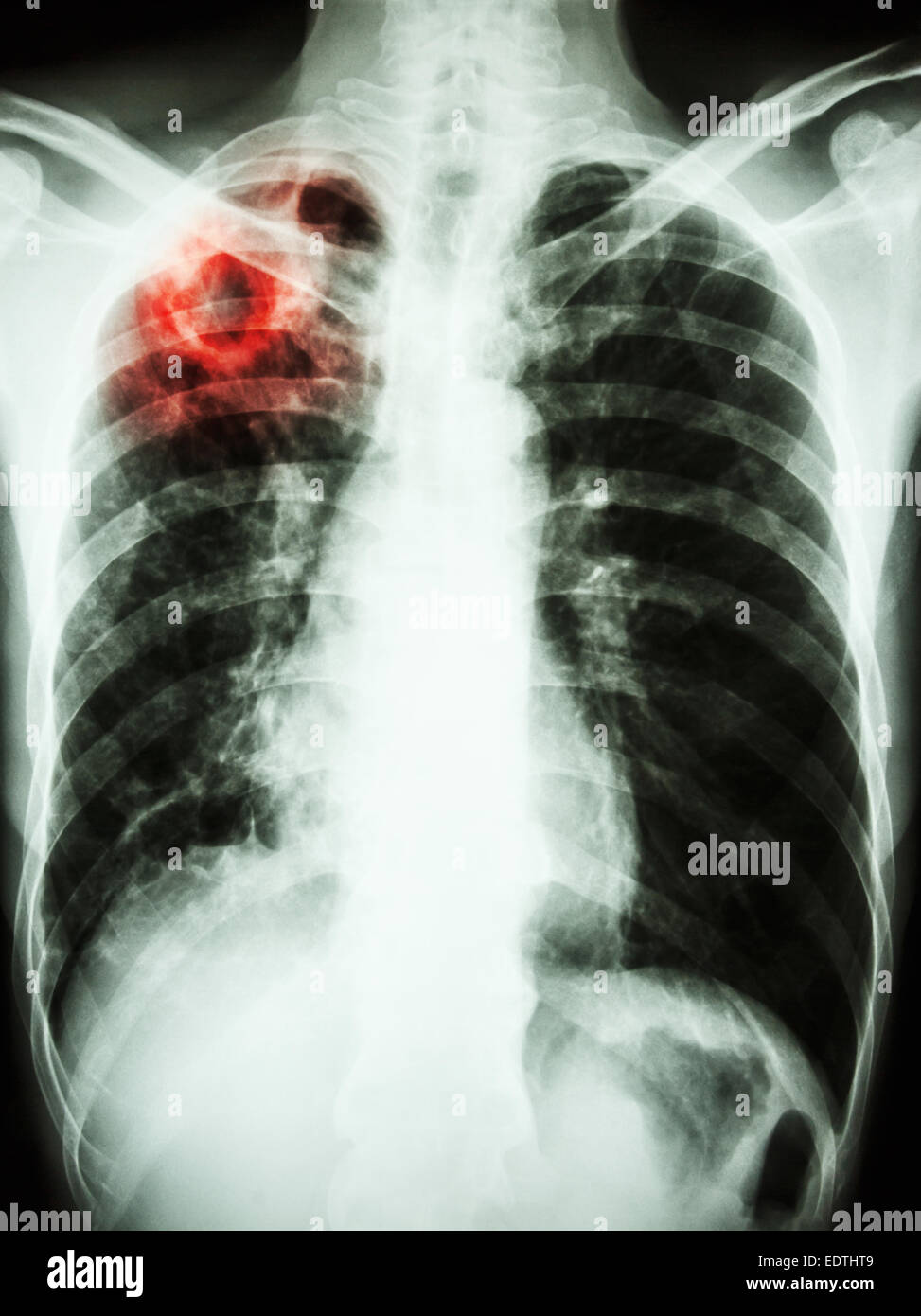
A cough is a protective reflex, but when it becomes persistent, it may indicate a deeper issue within the respiratory tract. Physicians often utilize chest radiography—commonly known as an X-ray—as a first-line diagnostic tool to visualize the lungs. When clinicians identify a “cavity” or “hole” in the lung tissue during these scans, it frequently points toward an infectious process, most notably tuberculosis (TB).
Tuberculosis remains a significant global health challenge. The World Health Organization (WHO) reports that TB is caused by Mycobacterium tuberculosis, which can damage lung tissue and create cavities that appear as dark, air-filled spaces on an X-ray. These lesions occur as the body attempts to wall off the infection, leading to tissue necrosis. Beyond TB, other conditions such as fungal infections, lung abscesses, or even malignancy can present with similar radiological features, making professional diagnostic interpretation essential.
Diagnostic Pathways for Persistent Respiratory Symptoms
When a patient presents with a cough lasting longer than four weeks, primary care physicians in Germany and internationally typically follow a structured diagnostic protocol. This process involves a detailed medical history, physical examination, and, if indicated, imaging. As noted by the American Lung Association, imaging is crucial for distinguishing between common viral bronchitis and more severe conditions like pneumonia, chronic obstructive pulmonary disease (COPD), or structural abnormalities.
The discovery of a pulmonary cavity on an X-ray necessitates further testing, often including sputum cultures or molecular tests to identify specific bacteria. Early detection of these conditions is vital for effective treatment. In the case of bacterial infections like TB, modern antibiotic regimens are highly effective, provided the patient adheres to the full course of medication as prescribed by healthcare providers.
When to Consult a Physician
Patients are encouraged to monitor their symptoms closely. A cough that is accompanied by “red flag” symptoms warrants an urgent appointment with a general practitioner or pulmonologist. These signs include:
- Hemoptysis (coughing up blood)
- Unexplained weight loss or loss of appetite
- Persistent fever or night sweats
- Shortness of breath at rest or during light activity
- Chest pain that does not correlate with musculoskeletal movement
Public health guidelines from the Robert Koch Institute (RKI), which serves as Germany’s central scientific institution in the field of biomedicine, underline that early reporting of respiratory symptoms is the most effective way to prevent the spread of infectious diseases and ensure individual health outcomes remain positive.
Next Steps in Respiratory Health
If you or a family member are experiencing a cough that has persisted for more than three weeks, it is recommended to schedule a consultation with a primary care physician. During your visit, be prepared to discuss the duration of the cough, the presence of any phlegm, and whether you have been exposed to others with similar respiratory symptoms. Diagnostic imaging is a routine and non-invasive procedure that provides critical clarity for treatment planning.
For ongoing updates regarding respiratory health and public health guidelines, readers can monitor official advisories from local health departments or the global resources provided by the WHO. We encourage readers to share their questions regarding respiratory health in the comments section below to foster an informed community discussion.
Worth a look