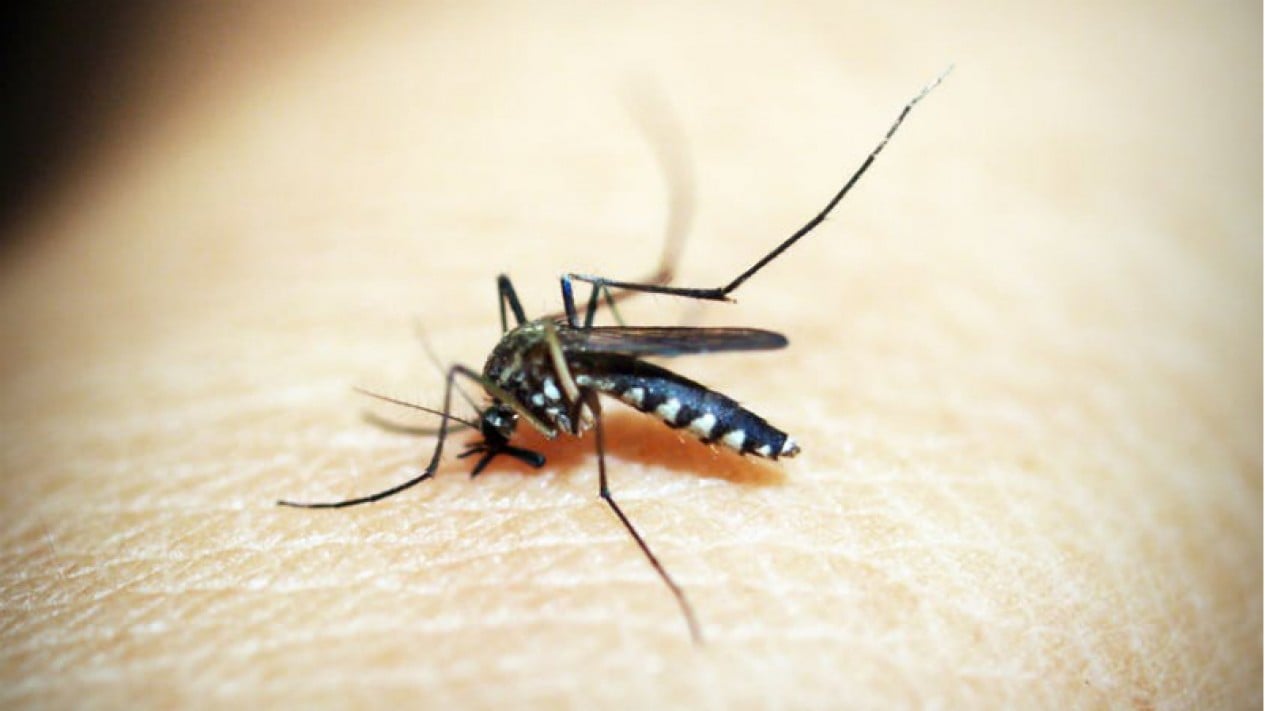
Public health officials in Indonesia are addressing a significant rise in malaria transmission, with national data indicating that the burden of the disease remains concentrated in the eastern provinces. According to the Indonesian Ministry of Health, the national strategy to eliminate malaria by 2030 faces ongoing challenges in regions such as Papua, where geographical barriers and access to healthcare services influence infection rates. While local reports have suggested varying degrees of impact, the World Health Organization (WHO) continues to emphasize that early diagnosis and consistent vector control are the primary mechanisms for curbing outbreaks in endemic areas.
The situation in Eastern Indonesia has drawn attention to the necessity of strengthening regional health infrastructure. In areas like Mimika, local health authorities are working to enhance the capacity of healthcare workers to manage infectious diseases, including malaria and hepatitis, through targeted training programs. These efforts are part of a broader push to ensure that diagnostic services reach remote communities that are often disproportionately affected by mosquito-borne illnesses.
Understanding the Current Malaria Landscape in Indonesia
Malaria remains a persistent public health challenge in Indonesia, particularly in the eastern regions. Data from the Indonesian Ministry of Health’s annual health profiles highlight that while many parts of the country have achieved malaria-free status, high-transmission zones persist in Papua and West Papua. The disease is transmitted through the bite of an infected Anopheles mosquito, and its prevalence is often tied to environmental factors such as humidity, rainfall patterns, and the availability of stagnant water where mosquitoes breed.

Public health experts point out that the “elimination” goal requires a multi-faceted approach. This includes the widespread distribution of insecticide-treated bed nets, indoor residual spraying, and the rapid deployment of rapid diagnostic tests (RDTs) to ensure patients receive treatment before the disease progresses to severe, life-threatening stages. The Centers for Disease Control and Prevention (CDC) identifies these measures as the gold standard for malaria control in tropical climates.
Strategies for Strengthening Healthcare Capacity
To combat the rise in cases, local governments and health offices are focusing on human capital. In Mimika, for instance, health officials have organized workshops aimed at upgrading the skills of nurses and laboratory technicians. These training sessions focus on the accurate identification of malaria parasites and the appropriate administration of artemisinin-based combination therapies (ACTs), which are recommended by the WHO for the treatment of uncomplicated Plasmodium falciparum malaria.
.png?sfvrsn=e846087c_3 "Strategies for Strengthening Healthcare Capacity")
Beyond clinical training, there is an increasing focus on community engagement. Researchers and policy advisors have suggested that involving local stakeholders—including community leaders and small-scale business owners—can improve the efficacy of health campaigns. By integrating malaria prevention into local economic activities, health programs can achieve better sustainability. This approach ensures that information about sanitation and mosquito control is disseminated through trusted community channels, which is essential for overcoming barriers related to geography and cultural diversity.
Addressing Challenges in Remote Access
A recurring issue in the management of malaria in Eastern Indonesia is the difficulty of providing consistent care to populations living in mountainous or isolated regions. According to reports from regional health bureaus, the logistical challenge of transporting medical supplies and personnel to these areas remains a significant hurdle. Furthermore, local community groups have occasionally raised concerns regarding the coordination between central government policies and the actual conditions on the ground.
Effective disease surveillance is another critical pillar. The ability to track cases in real-time allows health authorities to allocate resources more efficiently. When an outbreak is identified, rapid response teams are deployed to provide testing and medication, preventing the further spread of the parasite. The WHO World Malaria Report underscores that surveillance systems must be robust enough to capture data even from the most remote clinics to ensure an accurate national picture of the disease burden.
What Happens Next
The Indonesian government’s commitment to malaria elimination by 2030 remains the primary driver of current health policy. Future efforts will likely focus on the integration of digital health records to improve patient follow-up and the continued procurement of diagnostic kits for rural health centers. As the country moves toward this goal, the focus will remain on sustaining funding for vector control while simultaneously investing in the training of local healthcare personnel.
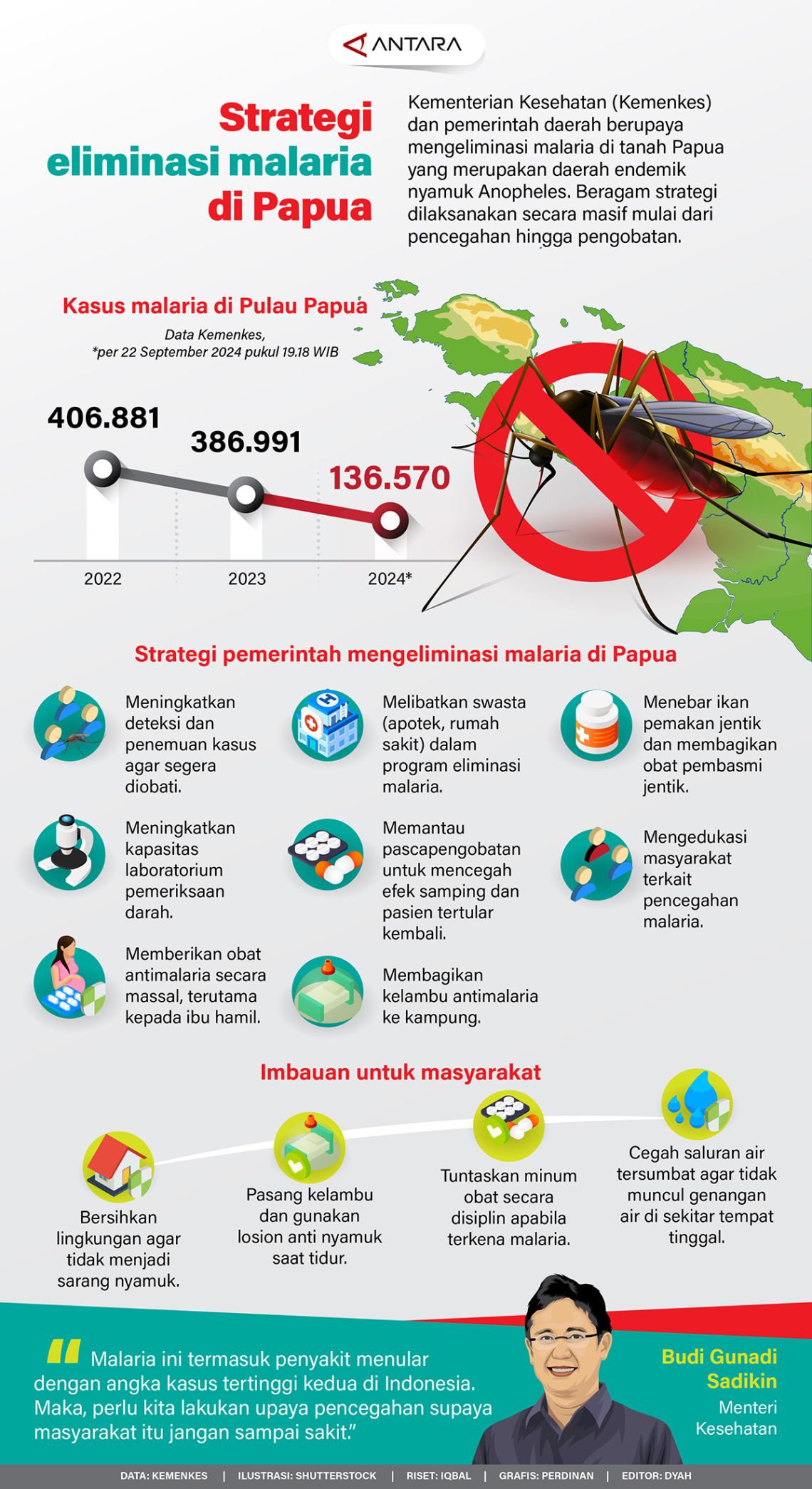
Readers interested in the latest updates on malaria eradication efforts and public health advisories are encouraged to monitor the official announcements from the Indonesian Ministry of Health. These portals provide the most accurate information regarding regional health status, vaccination campaigns, and policy changes. Please share your thoughts or questions in the comments section below, and stay tuned for further reporting as more data from regional health assessments becomes available.
Worth a look
- Glenmeadow Announces 2026 Age of Excellence Award Honorees
- AI Used for the First Time to Create Entirely New Viruses
- Luxembourg and WHO Sign Landmark Strategic Partnership for Global Health (newsdirectory3.com)
- Screen Time, Sleep and Mental Health: Family Rules That Change Daily Life (world-today-news.com)