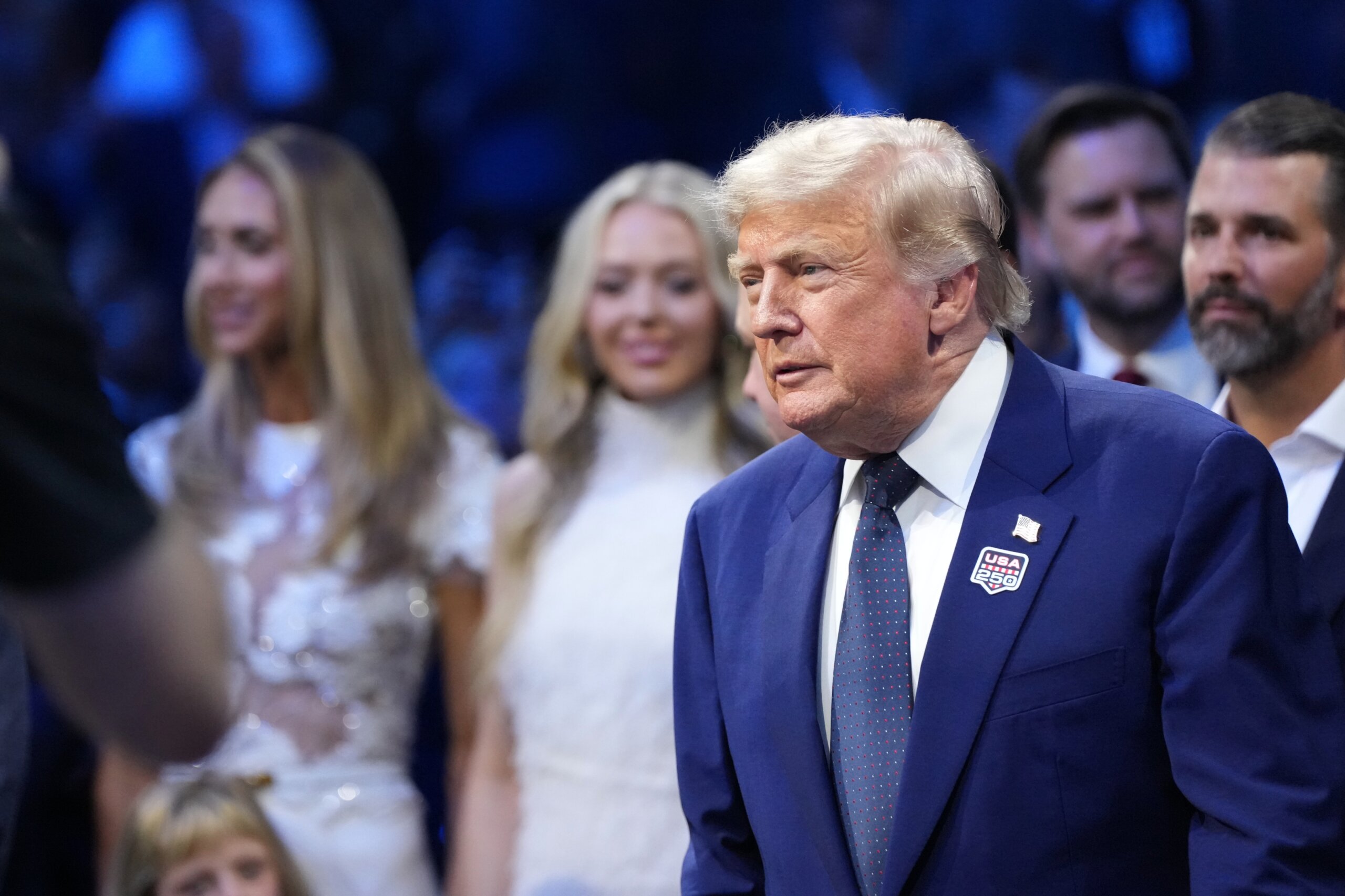
Trump Heads to G7 Summit with Iran War Deal in Hand—But Key Questions Remain
EVIAN-LES-BAINS, France — President Donald Trump arrives at the Group of Seven summit in the French Alps today with a diplomatic victory in hand: an agreement he claims will end the 15-week U.S.-Israel war against Iran. The deal, announced just hours before his departure, promises to lift a blockade on the Strait of Hormuz—a critical oil shipping route—and halt hostilities, but critical details remain unpublished and skepticism persists among allies and lawmakers.
The agreement, negotiated with Iranian officials over days of intense diplomacy, comes as global energy markets brace for potential disruptions. Trump celebrated the deal on social media with a message to “Ships of the World”:
“Start your engines. Let the oil flow!”
The Strait of Hormuz, through which roughly 20% of the world’s crude oil previously flowed, has been a flashpoint since the conflict began, with tanker traffic grinding to a halt due to fears of Iranian mines and attacks.
Yet even as Trump seeks to project confidence at the summit, questions abound. Iranian Deputy Foreign Minister Kazem Gharibabadi clarified that Tehran will not lift its closure of the strait until the agreement is officially signed—a detail that could complicate Trump’s push to restore oil flows. Meanwhile, Pakistani Prime Minister Shehbaz Sharif, whose country mediated the talks, confirmed that “pre-implementation discussions” will begin this week, leading to 60 days of technical negotiations on Iran’s nuclear program.
How the Deal Could Reshape the G7 Summit—and Trump’s Diplomacy
The agreement arrives as Trump faces a tense G7 gathering, where relations with key European allies have frayed over his handling of the Iran conflict. French President Emmanuel Macron, British Prime Minister Keir Starmer, German Chancellor Friedrich Merz, and Italian Prime Minister Giorgia Meloni have all criticized Trump for failing to consult them before escalating the war—a decision that has strained transatlantic unity and sent global energy prices soaring.
Trump, however, has framed the summit as an opportunity to counter his critics. “We’re going to show them what American leadership looks like,” a senior administration official told reporters off the record. The White House has indicated Trump will push for international support in demining the Strait of Hormuz, a task Britain and France have expressed interest in assisting with once hostilities pause. Clearing the waterway is seen as critical to restoring confidence among commercial shipping firms that have avoided the region since the conflict began.
Macron, as summit host, has expanded the agenda to include leaders from Egypt, Qatar, and the United Arab Emirates in a special session on Tuesday focused on the Middle East. The session will address the implications of the Iran deal, support for Lebanon—where Iran-backed Hezbollah militants have clashed with Israeli forces—and the long-term reopening of the Strait of Hormuz. Macron emphasized that “reaching a deal on Iran’s nuclear and ballistic missile programs” will also be central to discussions.
Key Takeaway: The Iran deal could shift the G7 dynamic, but Trump’s ability to secure allied support hinges on whether the agreement holds and whether European leaders see it as a step toward broader stability in the region.
Unanswered Questions: How Trump’s Deal Differs from Obama’s Nuclear Accord
Trump’s approach to Iran contrasts sharply with his predecessor’s. In 2015, then-President Barack Obama secured the Joint Comprehensive Plan of Action (JCPOA), a multilateral nuclear deal that included sanctions relief for Iran in exchange for curbs on its nuclear program. Trump withdrew from the deal in 2018, calling it flawed and arguing it failed to prevent Iran from advancing toward a nuclear weapon.
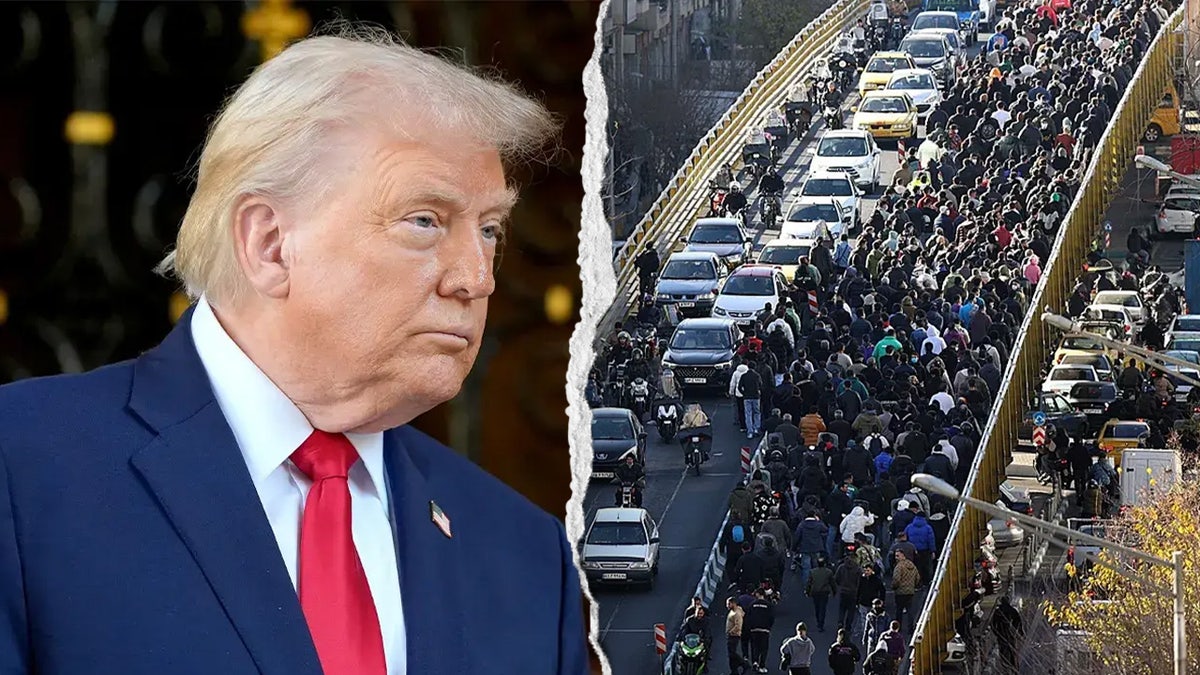
Yet critics—including some of Trump’s own allies—are questioning whether his new agreement addresses the same gaps. The White House has not published the full text, leaving key issues unresolved:
- Verification: Who will oversee compliance with the deal? The JCPOA relied on international inspectors, including from the International Atomic Energy Agency (IAEA). Trump’s team has not clarified whether a similar mechanism will be in place.
- Uranium Stockpiles: Iran is believed to have buried 972 pounds (440.89 kilograms) of highly enriched uranium at damaged nuclear sites. The deal does not specify who will remove or destroy these stockpiles—a concern raised by Sen. Mark Warner, the top Democrat on the Senate Intelligence Committee.
- Sanctions Relief: The agreement is expected to include economic incentives for Tehran, but lawmakers and analysts are skeptical about whether these will be structured differently from the JCPOA’s approach, which critics argue funneled billions into Iran’s coffers without sufficient safeguards.
Sen. Warner, in an interview with CBS’ Face the Nation, warned that “now it is America going alone or going with Israel only, and that does not make us safer.” Republican Sen. Lindsey Graham, a close Trump ally and Iran hawk, echoed these concerns, stating that Congress will need to review any nuclear deal and expressing skepticism about Iran’s interpretation of the agreement.
Why It Matters: The lack of transparency around the deal’s specifics risks undermining its credibility, particularly if it mirrors the JCPOA’s perceived weaknesses. Without clear verification mechanisms and a multilateral framework, critics argue, the agreement could fail to prevent Iran from further advancing its nuclear program.
Trump’s Diplomacy Beyond Iran: Calls to Putin and Zelenskyy Ahead of G7
While the Iran deal dominates headlines, Trump’s diplomatic efforts extend to two other major conflicts: Ukraine and Russia. In separate calls with Ukrainian President Volodymyr Zelenskyy and Russian President Vladimir Putin on Sunday, Trump emphasized the need to end hostilities in both theaters.
According to Russian presidential aide Yuri Ushakov, Trump’s hour-long call with Putin focused on Ukraine, where Trump stressed the importance of halting strikes on civilian targets—a complication Ushakov noted in achieving a settlement. The White House did not comment on the call, but Ushakov added that U.S. envoy Steve Witkoff and Jared Kushner, Trump’s son-in-law, are expected to travel to Russia soon.
Zelenskyy, in a statement posted on Telegram, confirmed he discussed Ukraine’s improved position along the eastern frontline with Trump and reiterated their agreement to meet at the G7 summit. The two leaders last met in December at Trump’s Mar-a-Lago resort in Florida, where Zelenskyy sought U.S. support for Ukraine’s war effort.

Yet the Iran conflict has overshadowed Ukraine in Trump’s foreign policy agenda. Polls show American voters largely disapprove of the war, and some Republicans have expressed concern about its political impact ahead of the November midterm elections. Trump, who has vowed to quickly bring an end to the Ukraine war if re-elected, has shifted focus to the Iran deal—a move that could further complicate his stance on Ukraine.
Next Steps: The G7 summit will be a critical test for Trump’s diplomacy. Macron has scheduled a working session on Tuesday to discuss the Middle East, where the Iran deal and its implications for Lebanon and the Strait of Hormuz will take center stage. Meanwhile, Trump’s calls to Putin and Zelenskyy suggest he is positioning himself as a mediator in both conflicts—but without clear details on how his agreements will be enforced.
What Happens Next: The Road Ahead for the Iran Deal
The next 60 days will be pivotal. Pakistani officials confirmed that “pre-implementation discussions” will begin immediately, followed by technical talks on Iran’s nuclear program. However, the lack of a published agreement and unresolved questions about verification, uranium stockpiles, and sanctions relief could delay progress.
For global energy markets, the biggest immediate question is whether the Strait of Hormuz will reopen. Iranian officials have stated that the closure will remain in place until the deal is signed, while Trump’s social media post suggests a swift restoration of oil flows. Analysts warn that without clarity on demining efforts and security guarantees, shipping firms may remain hesitant to return.
Politically, the deal faces scrutiny from both sides of the aisle. Democrats like Sen. Warner have raised concerns about the lack of international partners, while Republicans like Sen. Graham are demanding congressional review. The White House has not indicated whether it will seek legislative approval, a step that could further complicate the process.
Official Updates:
- For the latest on the G7 summit, follow the official G7 website.
- Iran’s Foreign Ministry updates can be found here.
- The International Atomic Energy Agency (IAEA) provides nuclear verification reports here.
Your Thoughts: How do you view Trump’s Iran deal? Will it bring stability to the region, or are there too many unanswered questions? Share your perspective in the comments below.
Share This Story: If you found this analysis valuable, please share it with others who follow global affairs. Stay tuned for live updates from the G7 summit as developments unfold.
Worth a look
- Festival Tempo Rives à Angers : L’ouverture avec Lorkê Lorkê
- Tasha Fire in Santa Clarita: Evacuations and Updates as Brush Fire Burns Near Newhall Pass
- US Intelligence Warns Putin Could Test NATO With Limited Attack (archyworldys.com)
- Iran Demands Cast Doubt on Reopening Strait of Hormuz Despite Oman Deal Talks (world-today-news.com)