
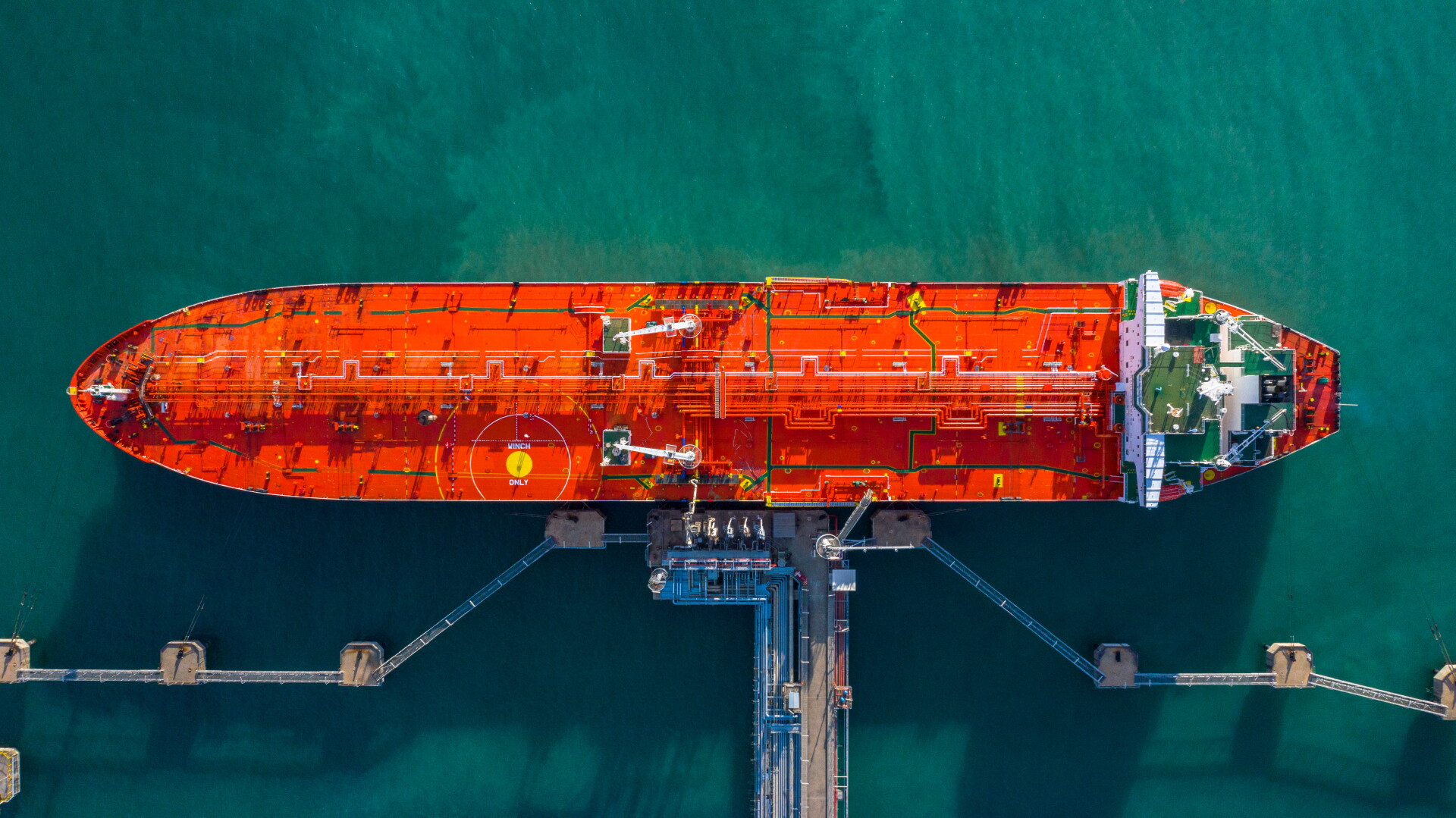
British maritime authorities have detained a Russian-linked oil tanker suspected of operating within the so-called “shadow fleet,” a network of vessels used to bypass international sanctions on Russian energy exports. The detention, which took place in UK territorial waters, marks a significant escalation in efforts to enforce the price cap on Russian crude oil established by the G7, the European Union, and Australia.
The vessel is currently being held pending the outcome of a formal investigation into its compliance with international maritime regulations and sanctions protocols. According to the UK Department for Transport, the government maintains the authority to seize vessels suspected of violating trade restrictions or failing to meet environmental and safety standards required for transit through British waters.
The Shadow Fleet and Sanctions Enforcement
The term “shadow fleet” refers to a collection of aging, often under-insured tankers that operate outside of Western-aligned maritime insurance and financial systems. These vessels frequently disable their Automatic Identification Systems (AIS) to obfuscate their movements and cargo origins. By operating in this manner, entities are able to transport Russian oil to global markets while avoiding the $60-per-barrel price cap imposed by the U.S. Department of the Treasury and its international partners.
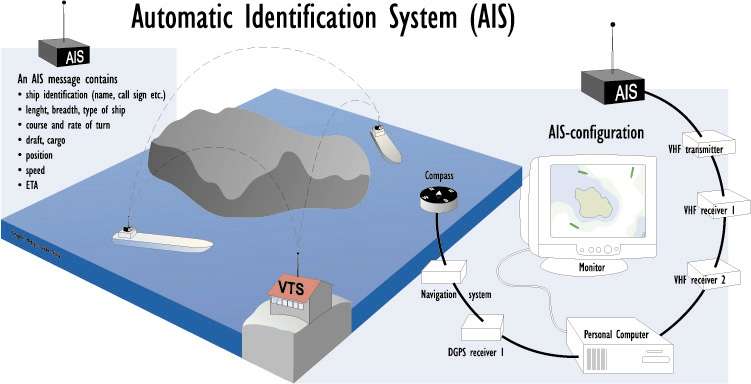
The detention of this tanker follows a pattern of increasing scrutiny by British and European authorities. Under the current sanctions regime, ships that do not adhere to transparency requirements face potential seizure, denial of port access, and the freezing of assets. The UK government, working in coordination with international maritime agencies, monitors vessel traffic to identify ships that demonstrate the characteristic behaviors of the shadow fleet, such as unexplained gaps in tracking data or transshipments in open waters.
Legal Framework and Detention Process
The legal basis for the detention of the vessel rests on the UK’s broader commitment to the Sanctions and Anti-Money Laundering Act 2018. This legislation provides the framework for the UK to impose and enforce sanctions against individuals, entities, and states. When a vessel is detained, authorities conduct a thorough inspection of its documentation, cargo manifests, and insurance coverage.
If the investigation confirms that the vessel has violated sanctions, it may face extended detention or permanent seizure. The process is inherently complex, as shadow fleet operators often utilize intricate corporate structures and “flags of convenience” to hide the true beneficial ownership of the ships. Consequently, investigators must trace financial flows and verify insurance providers to confirm whether the vessel is operating in breach of international law.
Geopolitical Implications for Global Energy Markets
The detention of this tanker underscores the ongoing tension between Western sanctions and Russia’s efforts to maintain its oil revenue streams. By restricting the ability of shadow fleet vessels to transit through key maritime chokepoints, the UK and its allies aim to increase the operational costs for Russia, thereby making the export of its crude oil less profitable.
While the impact of individual detentions on global oil prices is relatively minor, the cumulative effect of these enforcement actions creates significant uncertainty for shipping companies willing to engage in illicit trade. Industry analysts, such as those at the International Energy Agency, have noted that the shadow fleet represents a persistent risk to maritime safety and environmental protection, as these vessels often lack the rigorous maintenance and safety audits required by international conventions.
What Happens Next
The vessel will remain under detention while investigators from the UK Maritime and Coastguard Agency continue their analysis of the ship’s logs and cargo status. Further updates regarding the findings of the investigation are expected to be released through official government channels as the legal process moves forward. There is no set timeline for the conclusion of the inquiry, as the complexity of international maritime law and corporate ownership verification can frequently lead to protracted legal proceedings.
For those tracking the impact of these sanctions, official updates are regularly published on the UK government’s dedicated sanctions portal. The effectiveness of these measures remains a subject of intense debate among policymakers and energy experts, as the shadow fleet continues to evolve its tactics to circumvent global enforcement efforts.
What are your thoughts on the effectiveness of maritime sanctions in curbing illicit oil trade? Share your perspective in the comments below or join the conversation on our social media channels.