
Israel has announced plans to maintain its military presence in Lebanon, Syria, and the Gaza Strip despite reports of a preliminary agreement between the United States and Iran, according to Israeli officials and regional analysts. The move comes as Washington and Tehran reportedly seek to ease tensions through indirect negotiations, raising questions about the stability of the Middle East’s most volatile flashpoints.
The Israeli government, led by Prime Minister Benjamin Netanyahu, has reaffirmed its commitment to “deterrence” in the region, stating that troop withdrawals from these areas would not occur unless security conditions fundamentally improved. The announcement follows weeks of heightened tensions, including escalating drone and missile exchanges between Israel and Iran-backed militias in Syria and Lebanon.
According to reports from Reuters and BBC, the U.S.-Iran agreement—if confirmed—would involve limited sanctions relief in exchange for Tehran’s commitment to reduce support for regional proxies. However, Israeli officials have expressed skepticism about the deal’s effectiveness, citing past experiences with non-compliance.
Why Israel’s Military Stance Matters in the U.S.-Iran Deal
Israel’s decision to maintain military operations in Lebanon, Syria, and Gaza reflects three critical concerns:
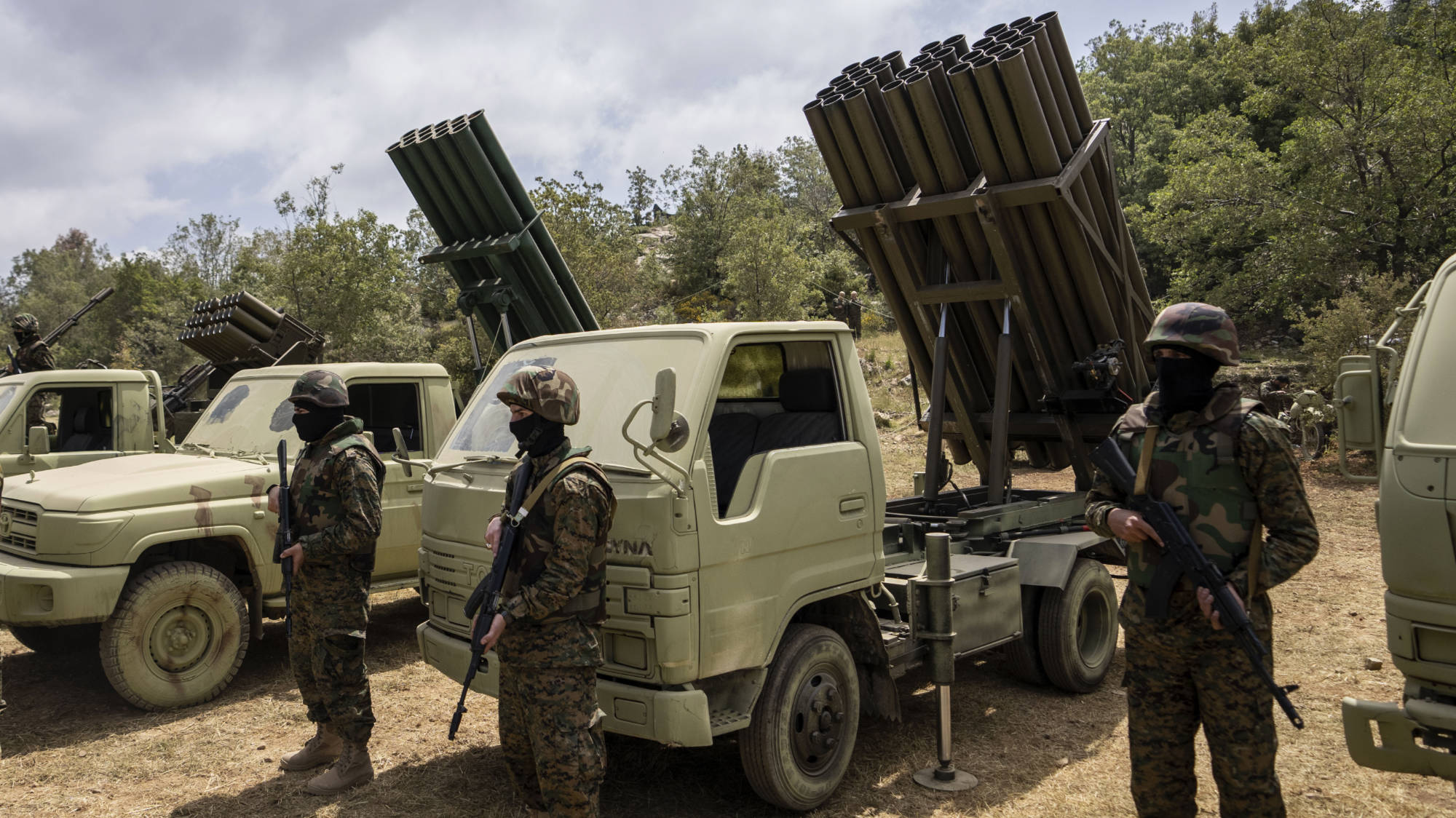
- Proxy War Dynamics: Israel views Hezbollah in Lebanon and Iranian-backed militias in Syria as direct threats, particularly after years of cross-border attacks. The International Crisis Group reports that Hezbollah’s arsenal has grown to over 130,000 rockets since 2006.
- Gaza’s Humanitarian Crisis: With over 2.1 million Palestinians displaced in Gaza (UNRWA), Israel argues its military presence is necessary to prevent Hamas rearmament. The U.S. State Department has warned that Gaza’s humanitarian situation remains “catastrophic.”
- Regional Deterrence: Israel’s military footprint in Syria—particularly near the Golan Heights—serves as a buffer against Iranian Revolutionary Guard Corps (IRGC) movements. The IRGC was designated a terrorist organization by the U.S. in 2019 (OFAC).
What the U.S.-Iran Agreement (If Confirmed) Would Actually Change
While details of the reported U.S.-Iran deal remain unconfirmed by either government, leaks suggest it could include:
Sanctions Relief: Limited easing of U.S. sanctions on Iranian oil exports and financial transactions, potentially allowing Tehran to access $6–12 billion in frozen assets (Bloomberg).
Proxy Commitments: Iran’s alleged pledge to reduce support for militias in Yemen, Iraq, and Syria. However, The Washington Post reports that past agreements (e.g., 2015 nuclear deal) saw little change in militia activities.
Gulf Cooperation: Potential for Saudi Arabia and other Gulf states to normalize relations with Iran, though Financial Times notes this remains contingent on Iran’s actions.
How Israel’s Military Presence Could Escalate—or De-escalate—Tensions
Israel’s refusal to withdraw troops from these regions creates a paradox: while the U.S.-Iran deal aims to reduce tensions, Israel’s military posture could either increase instability or force Iran to demonstrate genuine compliance. Here’s how:
“Israel’s military presence is not just about deterrence—it’s about sending a message that the status quo is non-negotiable. If Iran wants sanctions relief, it must show real changes on the ground, not just in Geneva.”
Analysts at Israel’s Institute for National Security Studies (INSS) warn that Israel’s operations in Syria—particularly airstrikes against IRGC bases—could provoke direct Iranian retaliation. Since 2017, Israel has conducted over 200 airstrikes in Syria, targeting Iranian weapons convoys (INSS).
In Lebanon, Hezbollah’s expanding military capabilities pose a direct threat to Israel’s northern front. The UN Security Council has repeatedly called for disarmament, but Hezbollah remains armed with an estimated 150,000 rockets (Crisis Group). Israel’s military buildup near the Blue Line—including 10,000 additional troops deployed since October 2023 (Haaretz)—suggests preparations for a potential conflict.
What Happens Next: Key Checkpoints in the Coming Weeks
The next critical developments will hinge on three factors:
- Official Confirmation of the U.S.-Iran Deal:
The White House and Iranian Foreign Ministry have not yet commented on the reported agreement. The U.S. State Department typically takes 7–10 days to respond to such diplomatic overtures.
- Israeli Military Moves:
Israel’s Defense Forces (IDF) have not announced any immediate changes to operations in Lebanon, Syria, or Gaza. However, IDF Spokesperson Daniel Hagari stated on May 15 that “Israel’s security strategy remains unchanged.”
- Iranian Compliance Signals:
Analysts will watch for reductions in Iranian missile shipments to Yemen’s Houthis and Iraq’s Kata’ib Hezbollah. The UN Security Council’s Iran Sanctions Committee will monitor for violations.
FAQ: What Readers Need to Know About the Situation
1. Is the U.S.-Iran deal real, or just rumors?
As of May 16, neither the U.S. nor Iran has confirmed the agreement. Reports originate from Reuters, BBC, and Financial Times, citing unnamed diplomats. The White House has not commented.
2. Could this lead to war between Israel and Iran?
Unlikely in the short term, but tensions could rise. Israel has conducted hundreds of strikes in Syria against Iranian targets without triggering direct war. However, if Iran perceives Israel’s military presence as an escalation, it may respond asymmetrically (e.g., proxy attacks).
3. What would a U.S.-Iran deal mean for oil prices?
If confirmed, the deal could lead to a 5–10% drop in oil prices (Bloomberg) as sanctions ease. However, Israel’s military actions could offset gains by disrupting supply routes.
4. How does this affect Palestinians in Gaza?
Israel’s continued military presence suggests no immediate ceasefire. The UN Relief and Works Agency reports that 85% of Gaza’s population faces acute food insecurity. A U.S.-Iran deal may not directly impact Gaza unless it leads to broader regional stability.
The Bigger Picture: Why This Deal (If It Exists) Could Fail
History suggests that even if a U.S.-Iran agreement is reached, its success depends on three unproven factors:
- Iran’s Track Record: Past deals (e.g., 2015 nuclear accord) collapsed when Iran violated terms. The Joint Comprehensive Plan of Action (JCPOA) required Iran to reduce uranium enrichment, but it resumed activities after the U.S. withdrew in 2018.
- Israel’s Red Lines: Netanyahu’s government has repeatedly stated that Iran cannot be allowed to develop nuclear weapons. Any deal perceived as weakening this stance could trigger domestic backlash.
- Regional Alliances: Saudi Arabia and other Gulf states may demand concessions from Iran beyond sanctions relief, complicating negotiations. The Brookings Institution notes that Saudi-Iranian détente remains fragile.
For now, Israel’s military posture in Lebanon, Syria, and Gaza serves as a reminder that the Middle East’s conflicts are not just about diplomacy—they are fought on the ground, where missiles and drones decide the terms of any peace.
What to Watch For in the Coming Weeks
The next confirmed checkpoint is May 22, 2024, when the U.S. State Department is expected to hold a press briefing on regional developments. Meanwhile:
- Follow U.S. State Department updates for official statements on the Iran deal.
- Monitor IDF announcements for changes in Israel’s military operations.
- Track UN Security Council reports on Iranian compliance with potential agreements.
Your Thoughts: How Should the U.S., Israel, and Iran Proceed?
This story is developing rapidly. Share your analysis, questions, or regional insights below—we’ll fact-check and respond to the most relevant comments.