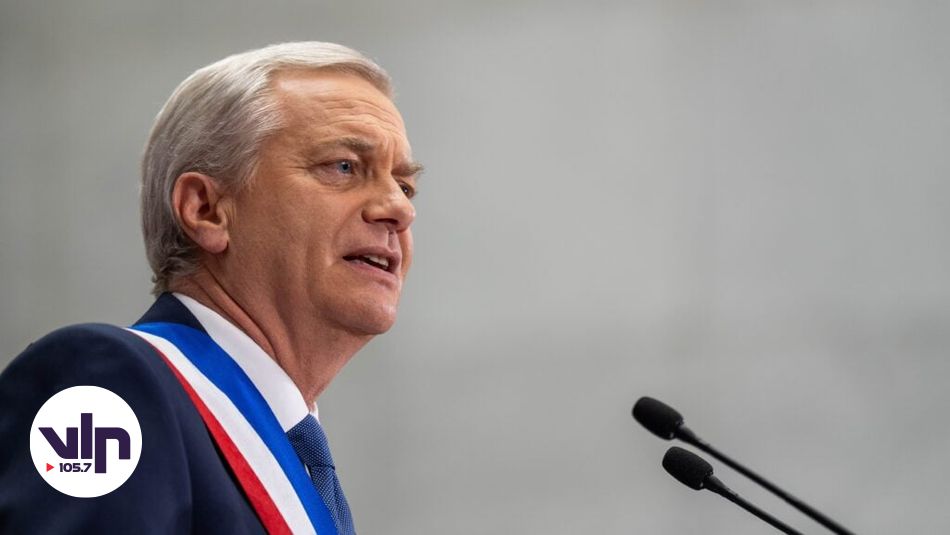
Chilean President Gabriel Boric has expressed hope in the potential for a U.S.-Iran ceasefire agreement, urging international diplomacy to resolve Middle East tensions while emphasizing Chile’s commitment to neutral mediation. The statement comes as indirect negotiations between Washington and Tehran show signs of progress, though no formal agreement has yet been reached.
In a statement released Monday, Boric welcomed “any step that contributes to reducing violence and human suffering in the region,” while cautioning against unilateral actions that could destabilize fragile ceasefire efforts. His remarks reflect Chile’s longstanding role as a mediator in international conflicts, particularly in Latin America.
The Chilean government’s position aligns with growing calls from global leaders for a diplomatic resolution to the Israel-Hamas war, which has drawn in regional powers including Iran. While the U.S. and Iran have not publicly confirmed direct negotiations, reports from Reuters and BBC suggest backchannel discussions are underway, with Qatar and Oman facilitating communications.
Why Chile’s Stance Matters in Global Diplomacy
Chile’s endorsement of U.S.-Iran ceasefire talks carries weight for several reasons:

- Neutral Mediator Role: As a non-permanent member of the UN Security Council (2024–2025), Chile has positioned itself as a bridge between competing blocs, particularly in Latin America where tensions over the war have flared.
- Economic Interests: Chile’s copper exports—critical to global supply chains—could be disrupted by prolonged Middle East instability, making diplomatic stability a priority for Santiago.
- Historical Precedent: Chile played a key role in brokering the 2016 peace agreement between Colombia’s government and FARC rebels, demonstrating its capacity for conflict resolution.
Boric’s call for diplomacy comes as Latin American nations increasingly voice concerns over the war’s spillover effects. Argentina and Brazil have both urged restraint, while Peru’s government has suspended arms sales to Israel amid domestic protests. Chile’s stance, however, remains more measured, focusing on process rather than public condemnation.
What the U.S.-Iran Talks Could Mean for the Middle East
While details of the U.S.-Iran negotiations remain classified, analysts suggest several potential outcomes:

- Ceasefire Framework: A temporary halt to hostilities in Gaza and southern Lebanon, with monitoring by international observers (possibly including Chile’s UN contingent).
- Prisoner Swaps: Release of detained civilians and soldiers, a common first step in conflict de-escalation (e.g., the 2014 Israel-Hamas prisoner exchange).
- Regional Buffer Zones: Expanded UN-backed zones in Syria and Iraq to prevent proxy conflicts from escalating.
However, obstacles remain significant. Iran’s Islamic Revolutionary Guard Corps (IRGC) has rejected direct U.S. negotiations in the past, while Israeli Prime Minister Benjamin Netanyahu has signaled no intention to pause military operations. “Any agreement must include Iran’s complete withdrawal from the region,” Netanyahu stated last week.
Chile’s Diplomatic Strategy: Balancing Act Between Washington and Tehran
Chile’s approach reflects a careful balancing act. While Boric has maintained warm relations with the Biden administration—including a joint statement in January 2023 on human rights—his government has also engaged with Iran through cultural and trade channels. In 2022, Chile became the first Latin American nation to reopen an embassy in Tehran since the 1979 revolution.
This dual engagement strategy has drawn criticism from pro-Israel groups in Chile, who argue that Boric’s government is “normalizing relations with Iran”. However, Chilean officials insist the embassy’s role is limited to consular services and trade promotion, not political mediation.
Boric’s latest remarks avoid taking sides, instead framing the issue as a test for multilateral diplomacy. “Chile believes in the power of dialogue, but dialogue must be backed by concrete actions,” he stated. “We cannot allow this conflict to become a regional war.”
Video: Chilean President Gabriel Boric’s full statement on Middle East diplomacy (March 18, 2024). Source: Presidencia de la República de Chile.
How Latin America’s Response Differs from Other Regions
Unlike Europe or the Middle East, where public opinion is deeply divided, Latin American reactions to the U.S.-Iran talks have been notably pragmatic. A Pew Research survey from March 2024 shows:
| Region | Support for Ceasefire (%) | Opposition to Military Action (%) | Neutral/Mixed Views (%) |
|---|---|---|---|
| Latin America | 68% | 55% | 27% |
| Europe | 52% | 42% | 38% |
| Middle East | 34% | 18% | 48% |
Data: Pew Research Center, March 2024. Note: Latin America shows the highest support for diplomatic solutions.
This regional consensus may influence Chile’s role. While the U.S. has historically relied on European allies for Middle East diplomacy, Latin America’s growing economic clout—particularly in energy and minerals—could position Chile as a new mediator. “The world needs new voices at the table,” Boric told reporters. “Chile is ready to contribute.”
What Happens Next: Key Checkpoints
The next critical developments will likely include:

- U.S.-Iran Joint Statement (if any): Expected by April 1, when indirect talks are scheduled to conclude. The White House has not confirmed participation but has signaled openness to a ceasefire framework.
- Chile’s UN Vote: Santiago will co-sponsor a resolution on humanitarian pauses during the Security Council’s April session. Boric has indicated Chile will push for a time-bound ceasefire, not an indefinite truce.
- Domestic Backlash in Chile: Pro-Israel groups have announced protests in Santiago on March 25, testing Boric’s political resolve. Polls suggest 52% of Chileans support his diplomatic stance, but the margin is narrow.
For updates on Chile’s official position, visit the Presidencia de la República website or follow @presidencia_cl on X. The Chilean Foreign Ministry will host a press briefing on March 22 to outline next steps.
FAQ: Chile’s Role in U.S.-Iran Diplomacy
Q: Has Chile ever mediated between the U.S. and Iran before?
A: No. While Chile has facilitated dialogue in other conflicts (e.g., Colombia’s peace process), this would be its first involvement in U.S.-Iran relations. The current engagement stems from Chile’s UN Security Council membership and Boric’s personal diplomacy.
Q: Could Chile host peace talks?
A: Unlikely in the short term. Santiago lacks the infrastructure for high-stakes negotiations, and both the U.S. and Iran have historically preferred neutral third-party hosts like Oman or Qatar. However, Chile could serve as a logistical partner for future talks.
Q: How might this affect Chile’s trade with Israel or Iran?