
Adopting specific lifestyle modifications can significantly lower your individual dementia risk, according to the latest clinical guidance from international health organizations. While age and genetics remain non-modifiable factors, researchers have identified a range of manageable health behaviors that may delay or prevent the onset of cognitive decline. By focusing on cardiovascular health, cognitive engagement, and social connectivity, individuals can take concrete steps to support long-term brain vitality.
According to the World Health Organization (WHO), dementia is not an inevitable consequence of aging, but rather a syndrome resulting from a variety of brain diseases. Current medical consensus suggests that up to 40% of dementia cases could potentially be prevented or delayed by addressing 12 modifiable risk factors identified in major longitudinal studies. As a physician, I emphasize that these interventions are most effective when adopted consistently throughout one’s adult life, rather than as a sudden shift in behavior during older age.
The Role of Cardiovascular Health in Brain Function
What is good for the heart is fundamentally good for the brain. High blood pressure, obesity, and diabetes are well-documented risk factors for vascular dementia and Alzheimer’s disease. Clinical evidence published in The Lancet Commission on dementia prevention highlights that maintaining healthy blood pressure levels, particularly in mid-life, is one of the most impactful ways to protect cognitive function. When blood vessels are damaged by chronic hypertension, the brain’s ability to receive oxygen and nutrients is compromised, which can accelerate neurodegeneration.

Physical activity serves as a primary tool for managing these risks. The U.S. Centers for Disease Control and Prevention (CDC) recommends that adults engage in at least 150 minutes of moderate-intensity aerobic activity per week. This level of exertion improves systemic blood flow and has been shown to increase levels of brain-derived neurotrophic factor (BDNF), a protein that supports the survival and growth of existing neurons.
Cognitive Stimulation and Social Engagement
The “use it or lose it” hypothesis regarding cognitive function is supported by evidence suggesting that cognitive reserve—the brain’s resilience to damage—can be built through lifelong learning. Engaging in mentally stimulating activities, such as learning a new language, playing a musical instrument, or reading, helps maintain neural plasticity. These activities do not necessarily “cure” dementia, but they may help the brain compensate for pathological changes by strengthening alternative neural pathways.
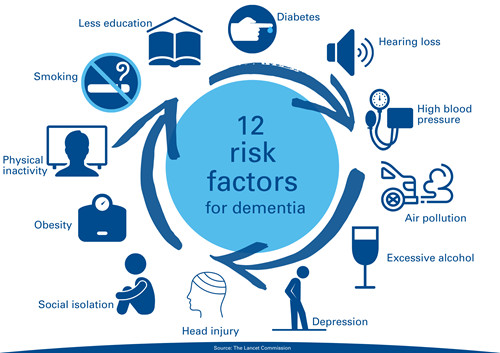
Social isolation is another critical, yet often overlooked, risk factor. A meta-analysis published in the journal Scientific Reports indicates that individuals with limited social contact have a higher incidence of cognitive decline. Regular social interaction requires the brain to process complex emotional and linguistic information, which acts as a form of cognitive exercise. Furthermore, maintaining a robust social network is associated with lower rates of depression, which is itself a risk factor for cognitive impairment.
Addressing Lifestyle Factors: Diet and Sleep
Dietary patterns play a substantial role in systemic inflammation, which is increasingly linked to neurodegenerative processes. While no single “superfood” prevents dementia, the Mediterranean and MIND diets—which emphasize fruits, vegetables, whole grains, and healthy fats like olive oil—are consistently associated with better cognitive outcomes in observational studies. According to the National Institute on Aging, these diets help manage blood sugar and cholesterol levels, reducing the cumulative stress on the brain.
Sleep hygiene is equally vital. During deep sleep, the brain’s glymphatic system clears out metabolic waste products, including amyloid-beta, a protein that forms plaques in the brains of Alzheimer’s patients. Chronic sleep deprivation prevents this essential “cleaning” process. Ensuring 7–9 hours of quality sleep per night is an essential component of a brain-healthy lifestyle.
When to Seek Professional Medical Advice
It is important to differentiate between typical age-related forgetfulness and signs of cognitive impairment. Occasional lapses, such as misplacing keys, are common. However, if an individual experiences consistent difficulty with daily tasks, confusion regarding time or place, or significant personality changes, they should consult a primary care physician. Early detection is crucial, as some forms of cognitive impairment are reversible if they stem from underlying conditions like vitamin B12 deficiency, thyroid dysfunction, or medication side effects.
The medical community continues to track the efficacy of these lifestyle interventions through ongoing clinical trials and observational cohorts. As of 2024, there is no single pharmacological “silver bullet” for dementia, making the adoption of a multifaceted, healthy lifestyle the most effective strategy currently available for risk reduction. Future updates on dementia prevention strategies will be provided as major health organizations release new clinical guidelines following upcoming international medical conferences.
If you found this information helpful, please share this article with your community. We welcome your questions and experiences in the comments section below.
Worth a look