Recent internal shifts at CBS News, specifically regarding the long-running program 60 Minutes, have triggered a broader public debate concerning media neutrality and the perceived institutional bias of legacy news organizations. Following reports of staff changes and administrative adjustments, critics and media commentators have questioned whether mainstream outlets are increasingly disconnected from the perspectives of a significant portion of their audience. This tension highlights a growing demand for transparency in editorial decision-making as traditional broadcast networks navigate an evolving digital information landscape.
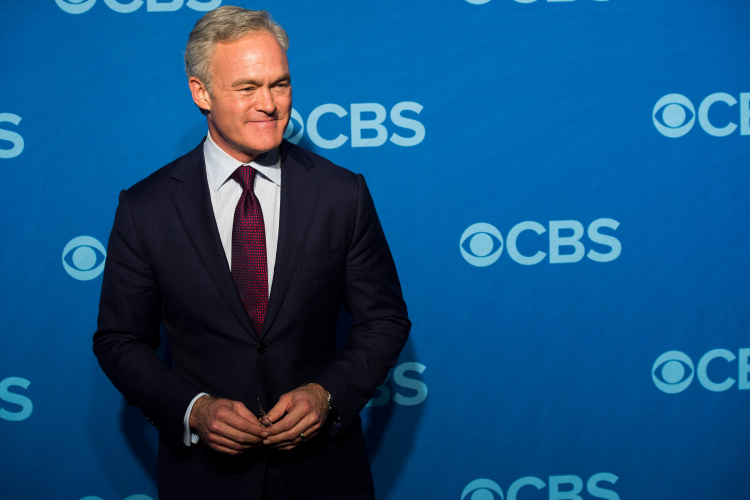
The discourse surrounding these internal organizational changes gained momentum following public commentary from veteran broadcast figures, including correspondent Scott Pelley. Pelley, a long-standing anchor and reporter for the network, has been at the center of discussions regarding the editorial direction of the program. According to reporting from The New York Times, CBS News management has faced scrutiny over its handling of interviews and the internal vetting processes that define the network’s journalistic standards. These developments occur within the context of a highly polarized political environment where legacy media outlets are frequently evaluated by the public through the lens of political leaning.
The Evolution of Editorial Standards at CBS News
For decades, 60 Minutes has maintained a position as a cornerstone of American investigative journalism. However, the current scrutiny reflects a shift in how viewers perceive the role of the network. As noted by the Columbia Journalism Review, the challenge for legacy media is no longer just the accuracy of reporting, but the perceived intent behind the selection and framing of stories. The internal shakeups, which include adjustments in production staff and executive oversight, are being interpreted by various media critics as an attempt to re-establish a balance that some viewers feel has been lost.

The network has publicly maintained that its editorial integrity remains the primary driver of its programming decisions. In a recent statement regarding production standards, CBS News emphasized that its commitment to “rigorous, fair, and independent journalism” remains unchanged. This assertion, however, is met with skepticism by those who point to the increasing frequency of public pushback against editorial choices. The friction between institutional policy and public perception serves as a case study for the difficulties faced by traditional media when attempting to maintain broad appeal in a fragmented information market.
Public Reaction and the Question of Institutional Bias
The reaction to these events is not monolithic. While some observers argue that the internal changes are standard operational adjustments, others, such as media analysts cited by The Wall Street Journal, suggest that the network is reacting to a persistent “trust deficit.” This deficit, according to recent polling data from the Gallup organization, shows that American trust in mass media remains near record lows, with a significant divide along partisan lines.
The role of veteran journalists like Scott Pelley in this environment is complex. As a face of the network, his public interactions and reporting style are often scrutinized as proxies for the network’s internal culture. When high-profile journalists are perceived as aligning with a specific ideological viewpoint, it exacerbates the broader narrative that legacy media has abandoned its role as a neutral observer. This perception is further fueled by the rapid dissemination of critiques on social media platforms, where individual clips and soundbites are often stripped of context to support arguments regarding media bias.
What Happens Next for Legacy Media
As CBS News continues to navigate these internal and external pressures, the focus will likely shift toward upcoming editorial decisions and the transparency of their interview processes. The network is scheduled to continue its standard programming cycle, with industry analysts watching for changes in the tone and subject matter of future investigative segments. The pressure to regain viewer trust is not limited to CBS; it is a challenge shared by all major broadcast entities as they face competition from independent media and digital-first platforms.
The next major checkpoint for the network will likely involve its quarterly review of programming metrics and the subsequent response to public feedback regarding its 2024 election cycle coverage. Observers expect that the network will continue to release periodic updates on its editorial policies, though whether these measures will satisfy critics remains an open question. Readers and viewers interested in the ongoing developments at CBS News can monitor the network’s official press room for updates on personnel and programming changes. We encourage readers to share their perspectives on the role of legacy media in the comments section below.
Related reading