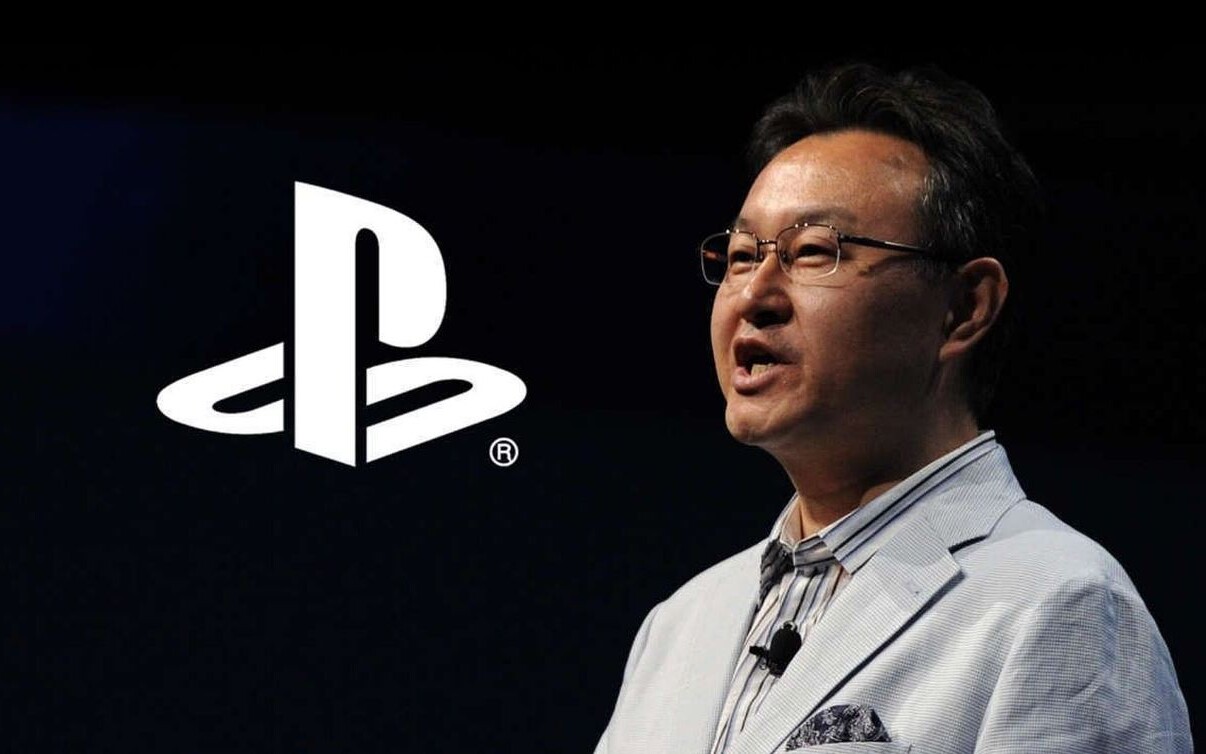
Shawn Layden, the former chairman of Sony Interactive Entertainment Worldwide Studios, has shifted his personal gaming habits away from high-budget AAA titles, citing a lack of innovation and the increasing risks associated with massive production costs. In recent public discussions, Layden noted that the current trajectory of the gaming industry—defined by ballooning budgets and a reliance on established franchises—has led to a creative stagnation that no longer captures his interest as a player.
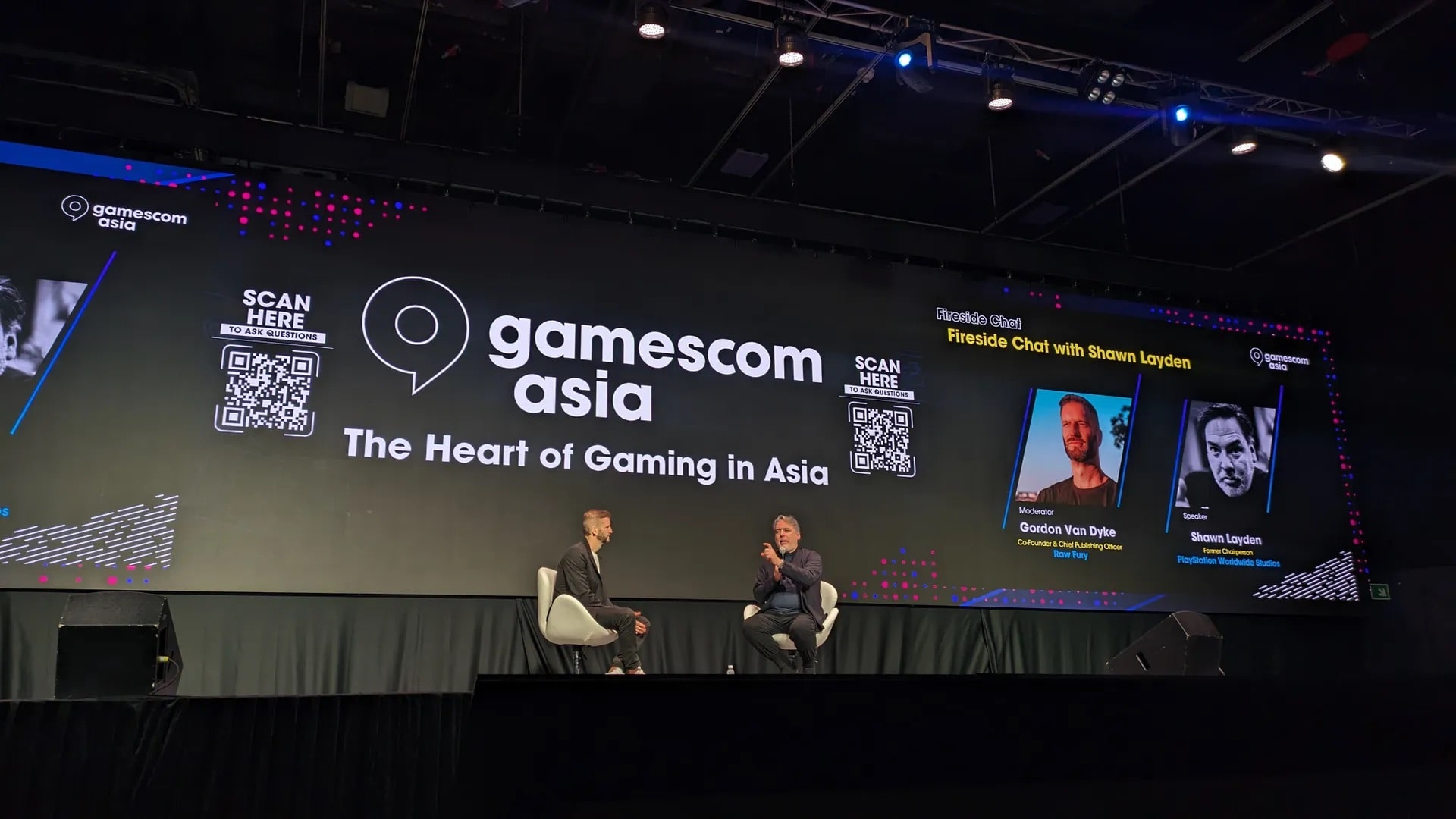
Layden, who served as a key architect of the PlayStation 4’s success, pointed to the “sequelitis” infecting the industry as a primary deterrent. According to his comments at industry events such as Gamescom, the pressure to recoup investments exceeding $200 million often forces developers to prioritize safe, iterative gameplay over bold, new intellectual properties. This observation aligns with broader data from industry analysts like GamesIndustry.biz, which has documented the rising costs of development for major console titles over the last decade.
The Rising Cost of AAA Development
The transition toward massive, open-world experiences has created a financial environment where failure is not an option for publishers. Layden explained that when a game costs hundreds of millions of dollars to produce, publishers are incentivized to avoid experimental mechanics or unconventional narratives. This risk-aversion, he argues, has made the AAA space feel predictable.
Data from Statista indicates that the average development budget for a major AAA title has increased significantly since the early 2010s, often requiring millions of copies sold just to reach the break-even point. This financial threshold restricts the creative freedom of studios, as stakeholders demand returns that only proven formulas—such as sequels or established genre staples—are perceived to provide. For an industry veteran like Layden, this environment diminishes the sense of discovery that defined earlier eras of console gaming.
Shifting Toward Indie Innovation
In contrast to the AAA sector, Layden expressed a preference for independent games. He noted that smaller studios, which operate with significantly lower overhead, are currently the primary drivers of innovation in the gaming medium. These developers are often willing to take risks that larger corporations cannot justify to their shareholders.
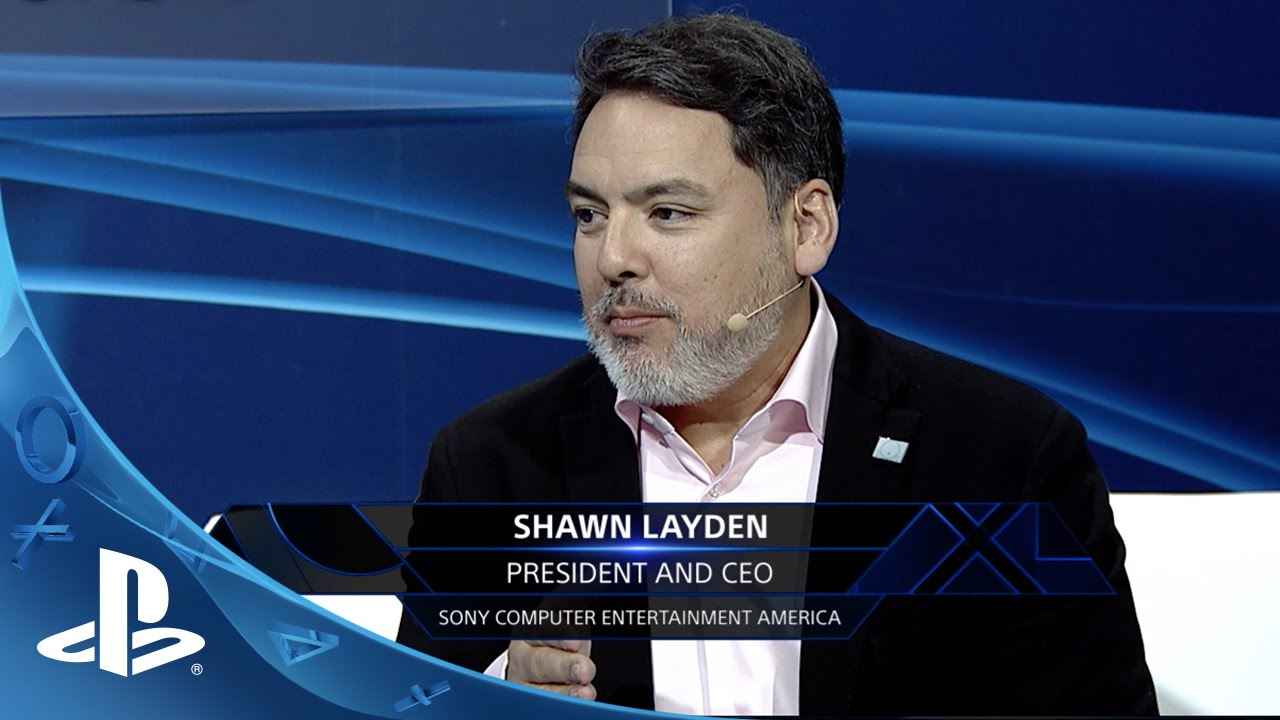
This sentiment reflects a wider trend observed by the Game Developers Conference (GDC) in their annual State of the Industry reports, which consistently highlight how independent creators are pushing boundaries in art style, narrative structure, and unique gameplay loops. For players seeking experiences that challenge conventions, the indie scene has become a vital alternative to the increasingly homogenized output of major publishers.
Why Industry Veterans Are Concerned
Layden’s critique is not an isolated perspective. Several high-profile developers have voiced similar concerns regarding the sustainability of the current AAA model. The primary issue is the length of development cycles, which can span five to seven years for a single project. By the time a game is released, the market landscape may have shifted, rendering the initial vision dated.
According to reports from Reuters regarding the state of the gaming labor market, the pressure to maintain constant growth has also led to significant cycles of layoffs within major studios. When a project fails to meet expectations, the human cost is often immediate, further complicating the internal culture of large-scale development houses. Layden suggests that the industry must find a way to make smaller, more frequent projects viable again to ensure both long-term financial stability and creative health.
What Happens Next for the Gaming Market
The industry is currently at a crossroads. As hardware capabilities continue to expand, the temptation to create increasingly photorealistic, massive-scale worlds remains high. However, the economic reality of these projects is forcing a dialogue about efficiency and the value of “mid-tier” gaming.
Industry observers are now watching to see if major publishers will adopt a “bifurcated” strategy: continuing to produce flagship blockbusters while simultaneously funding smaller, experimental projects. While companies like Sony and Microsoft have experimented with this in the past, the current economic climate suggests that a more deliberate shift may be necessary to retain the interest of both veteran players and new audiences. Investors and stakeholders are expected to provide updates on their long-term development strategies during upcoming quarterly financial calls, which serve as the next benchmark for assessing corporate priorities in the gaming sector.
Do you agree with the assessment that AAA games have become too predictable? Join the conversation in the comments below and share your thoughts on the future of gaming.
Worth a look