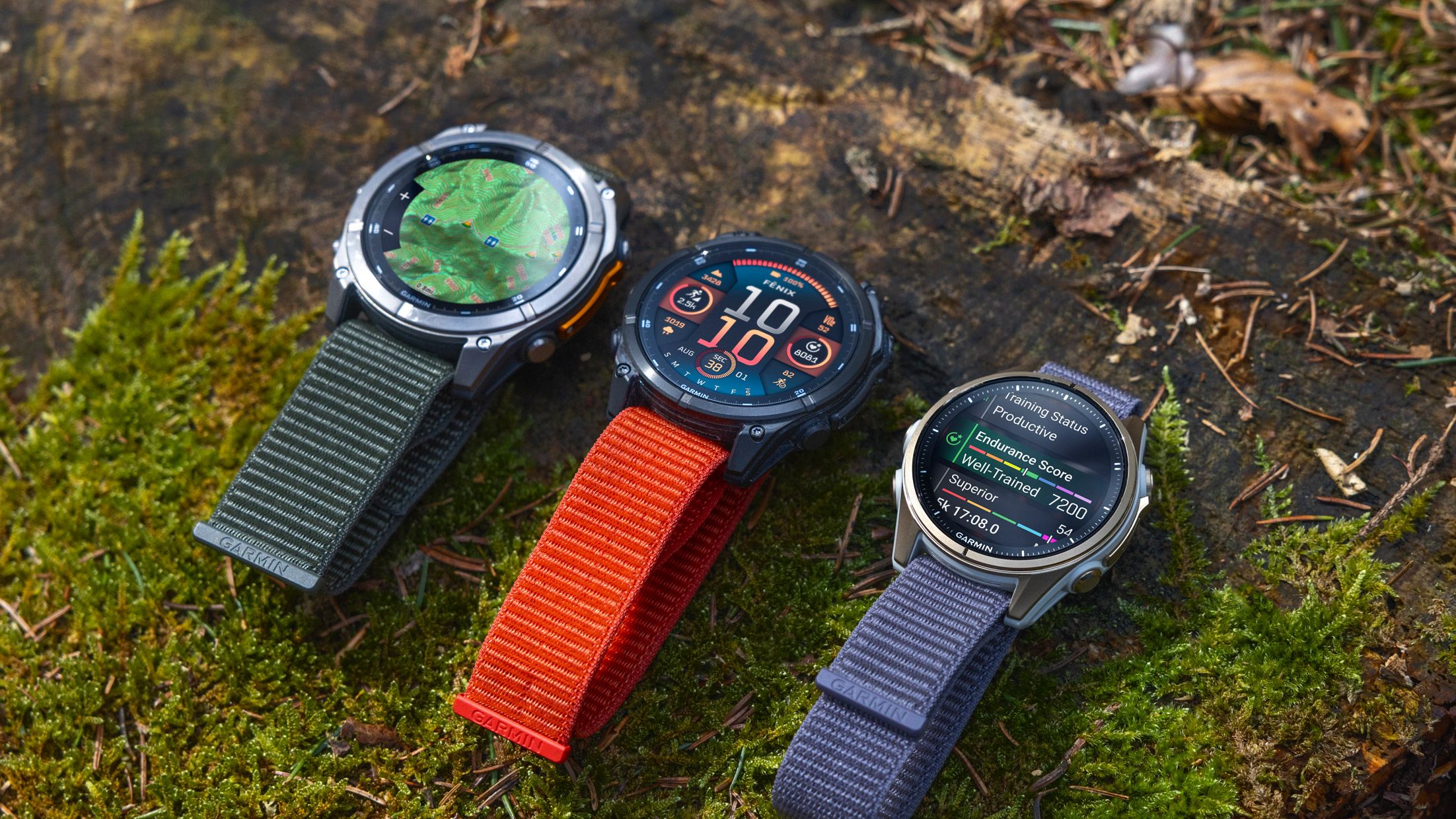
Garmin is reportedly preparing a substantial update to its flagship smartwatch ecosystem, with leaked product specifications indicating that three new wearables could soon join the company’s lineup. According to recent supply chain and retail leaks analyzed by tech publications, the upcoming hardware cycle centers on the anticipated Garmin Fenix 9 series. However, industry analysts and software developers are focusing heavily on a different technical detail: a potential shift in Garmin’s approach to display technology that could bridge the gap between outdoor readability and battery longevity.
As a technology journalist with a background in software engineering, tracking these hardware evolutions requires looking closely at how power management intersects with display panels. Garmin has long relied on memory-in-pixel (MIP) LCD screens for its sports watches, prioritizing sunlight visibility and multi-week battery life over vibrant color saturation. Recent leaks suggest the company may be evaluating more advanced display configurations for its next-generation devices, balancing the high power demands of modern smartwatch interfaces with the endurance expected by endurance athletes and outdoor enthusiasts.
The leak details emerged across several industry forums and retail trackers, pointing to an expansive rollout of multi-sport devices designed to replace or expand upon the existing Fenix 8 ecosystem. While Garmin has not officially confirmed the existence, specifications, or release timeline for a Fenix 9, supply chain tracking frequently highlights hardware iterations months ahead of an official consumer launch. This pattern mirrors previous product cycles for the brand, where early regulatory filings and component leaks reliably signaled upcoming device tiers.
Evaluating Garmin’s Potential Display Shift
The core discussion surrounding the leaked Fenix 9 details involves panel technology. Traditional Garmin Fenix watches utilize transflective memory-in-pixel displays, which use ambient light to illuminate the screen, resulting in exceptional outdoor visibility and minimal power draw. Competitors in the broader smartwatch market, including Apple, Samsung, and various brands utilizing Google’s Wear OS, predominantly use power-hungry AMOLED panels that offer rich colors and deep blacks but require frequent recharging.
Industry reports indicate that Garmin faces increasing consumer demand for brighter, higher-resolution interfaces without sacrificing the multi-week battery performance that defines the brand. If the leaked specifications hold true, Garmin may introduce variant models featuring alternative display types or improved panel efficiencies. For software developers and hardware watchers, this potential shift raises questions about how user interfaces, power profiles, and third-party Connect IQ applications will scale across different screen resolutions.
Battery endurance remains a primary metric for buyers evaluating high-end fitness tracking hardware. Transflective MIP screens allow devices like the Fenix 8 to run for weeks on a single charge under standard usage conditions. Transitioning even partially to high-nit display technology would force engineers to optimize power draw significantly or risk alienating core users who depend on long battery life during multi-day expeditions, ultramarathons, and backcountry trips.
Expected Hardware Lineup and Market Context
Leak analyses suggest that the upcoming hardware launch will span three distinct models or size configurations, catering to different wrist sizes and feature preferences. This tiered strategy aligns with Garmin’s historical approach of offering standard, solar-charging, and specialized variations within a single product generation. Pricing and exact regional availability details remain entirely unconfirmed, as retail placeholder listings often reflect preliminary internal data rather than final corporate strategy.
The competitive landscape for outdoor smartwatches has intensified significantly over the past two years. Brands offering rugged titanium builds, offline topographic mapping, and advanced biometric sensors are competing directly for the same high-end consumer base. Reviewers and gear analysts note that any new release from Garmin must demonstrate meaningful improvements in GPS accuracy, heart rate sensor precision, or software stability to justify a premium upgrade from previous iterations.
Consumers tracking these developments should look to official channels for verified announcements rather than relying solely on pre-release retail leaks. Garmin typically utilizes its own web portal and verified press distribution channels to unveil new wearable technology, accompanied by detailed specification sheets and software compatibility lists.
Official product announcements, regulatory filings, and user manuals published directly through Garmin’s support and corporate media portals will provide the definitive specifications once the company officially unveils its next-generation hardware. Readers interested in following the rollout can monitor Garmin’s official newsroom for upcoming product disclosures.