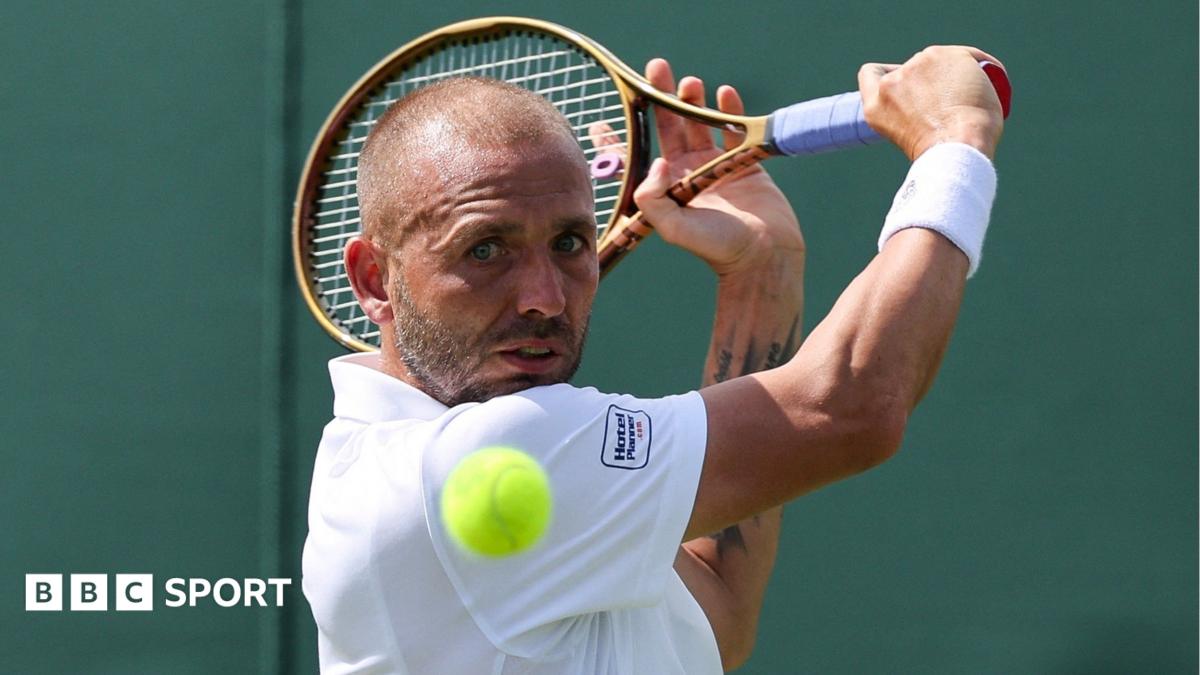
Dan Evans has criticized the decision by Queen’s Club organizers not to grant him a wildcard for the upcoming grass-court season, characterizing the move as a “lack of class” during his penultimate period of professional competition. The British player expressed his disappointment regarding the omission from the Cinch Championships, a premier ATP 500 event that serves as a critical preparation tournament for Wimbledon.
The veteran professional, who is approaching the end of his career, noted that receiving a wildcard would have been a “classy gesture” from the tournament directors. Evans is currently navigating what is expected to be his final stretch on the ATP Tour, making the decision to exclude him from one of the most prestigious grass-court events in the world a point of contention within British tennis circles.
The exclusion comes at a time when Evans is managing the physical and competitive challenges of a long career. While tournament organizers often reserve wildcards for emerging young talent or players returning from injury, Evans argued that the gesture should account for his service to the sport and his status as a veteran nearing retirement.
Why did Dan Evans miss out on a Queen’s wildcard?
Tournament directors at the Cinch Championships, held at the Queen’s Club, possess the discretion to award wildcards to players who may not qualify based on their current ATP ranking. These spots are typically utilized to fulfill several strategic objectives: promoting rising domestic stars, providing opportunities to high-profile players returning from long-term injury, or ensuring local interest in the event.
While the specific reasoning from the Queen’s Club organizers has not been officially released, the decision likely reflects a shift in priority toward younger, higher-ranked prospects. In recent years, the distribution of wildcards in British tennis has increasingly favored the next generation of players, such as Jack Draper or other rising ATP talents, as organizers look to build the long-term commercial and competitive future of the sport in the United Kingdom.
Evans’ current ranking and recent form have placed him outside the direct entry cutoff for the main draw. For a player in his final season, the absence of a wildcard means missing a vital opportunity to compete on the specific surface that has historically defined much of his professional identity. The lack of a spot at Queen’s limits his ability to acclimatize to grass-court conditions before the Wimbledon championships begin.
The significance of the grass-court season for British players
The grass-court season is a distinct and specialized period on the ATP calendar. Unlike the clay or hard-court swings, grass requires specific movement patterns, shorter points, and a different tactical approach to ball striking and service delivery. For British players, the weeks leading up to Wimbledon are essential for fine-tuning these skills.

The Cinch Championships at Queen’s Club acts as a primary barometer for form heading into the Grand Slam. Success at Queen’s often correlates with a strong showing at the All England Club. By missing this event, players face a condensed timeline to adjust to the low bounce and rapid pace of grass, which can significantly impact their competitive readiness for the world’s most famous tennis tournament.
For veterans like Evans, these warm-up tournaments are not merely about points, but about rhythm and confidence. The ability to compete against top-tier international talent on a familiar surface provides a level of match practice that cannot be replicated in training environments. The decision to deny a wildcard effectively removes a key pillar of professional preparation for a player in his final competitive phase.
Dan Evans’ career trajectory and transition toward retirement
Dan Evans has been a mainstay of British tennis for over a decade, known for a unique, craft-heavy playing style that relies on variety, slice, and tactical intelligence rather than raw power. His career has been marked by both significant breakthroughs and periods of struggle with injury and form.
As Evans approaches his retirement, his career serves as a bridge between the era of Andy Murray and the current surge of young British talent. His presence on the tour has provided a veteran perspective, often acting as a mentor and a recognizable figure for fans attending domestic tournaments. The transition toward retirement is a complex period for professional athletes, involving the management of physical decline while attempting to maximize remaining competitive opportunities.
To understand the context of his current frustration, it is helpful to view his career milestones and the evolution of his standing in the sport.
| Category | Detail |
|---|---|
| Playing Style | Tactical variety, slice, and net play |
| Key Surface Strength | Grass and fast hard courts |
| Career Status | Approaching retirement (Penultimate season) |
| Primary Goal | Wimbledon preparation and final ATP appearances |
How do wildcard decisions affect player sentiment?
The tension between tournament organizers and veteran players is a recurring theme in professional sports. Organizers are often behold driven by commercial viability, sponsor requirements, and the long-term growth of the sport, which frequently necessitates investing in younger players who represent the future of the ATP tour.
However, players like Evans argue that there is a “class” element to professional sports—a recognition of longevity, contribution to the tour, and the respect due to those who have dedicated their lives to the game. When a veteran is denied a wildcard in a home tournament during their final year, it can be perceived as a lack of institutional respect, potentially affecting the relationship between the player community and tournament committees.
This debate highlights the dual nature of professional tennis: it is both a high-stakes commercial enterprise and a community of athletes with shared histories. The decision at Queen’s Club is a microcosm of this larger conflict between the necessity of looking forward and the tradition of honoring those who have paved the way.
Frequently Asked Questions
What is a wildcard in tennis?
A wildcard is a special entry granted to a player by a tournament organizer, allowing them to compete in the main draw or qualifying rounds even if their current ranking is not high enough to qualify automatically.

Why is the Queen’s Club tournament important?
The Cinch Championships at Queen’s Club is one of the most important ATP 500 events on the grass-court circuit. It provides elite-level competition and serves as the primary warm-up for the Wimbledon championships.
Is Dan Evans officially retired?
No, Dan Evans has not officially retired, but he is currently in his penultimate tournament phase, indicating that he is approaching the end of his professional playing career.
How do players qualify for Wimbledon?
Players typically qualify for Wimbledon through their ATP ranking. Those who fall outside the direct entry cutoff may attempt to qualify through the qualifying tournament or receive a wildcard from the All England Club.
The tennis world will now look toward the upcoming grass-court schedule to see how Evans manages his final competitive appearances. Official updates regarding the final entry lists for the Cinch Championships are expected in the coming weeks.
What are your thoughts on the decision to withhold wildcards from veteran players? Should tournament organizers prioritize legacy or future talent? Let us know in the comments below and share this article with your network.
Related reading