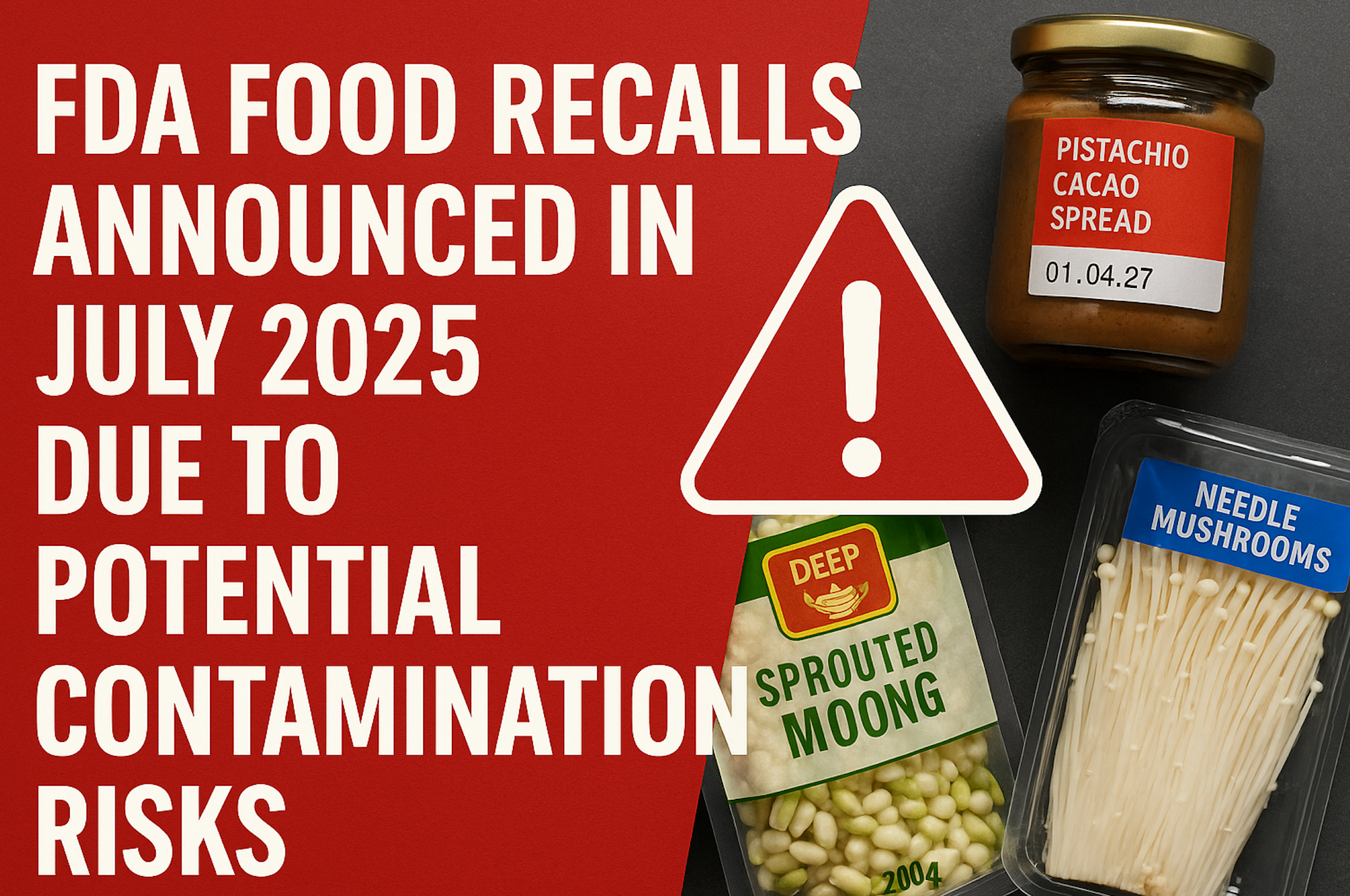
The U.S. Food and Drug Administration (FDA) has elevated a food safety recall involving a specific Alfredo sauce product to a Class I designation, the most serious category, due to potential Salmonella contamination. This classification indicates a reasonable probability that the use of, or exposure to, the product will cause serious adverse health consequences or death. According to the official FDA enforcement report, while the recall process remains active, no illnesses have been linked to the consumption of the affected items to date.
Understanding the Class I Recall Designation
A Class I recall is reserved for situations where there is a significant health risk. In the context of food safety, this designation is triggered when testing or manufacturing audits reveal the presence of dangerous pathogens, such as Salmonella, in products already distributed to consumers. As reported by the FDA’s food safety division, Salmonella bacteria can cause serious and sometimes fatal infections in young children, frail or elderly people, and others with weakened immune systems. Healthy individuals infected with the bacteria often experience fever, diarrhea, nausea, vomiting, and abdominal pain.
The decision to escalate the status of this recall reflects the agency’s commitment to preventing potential outbreaks before they occur. By moving the product to a Class I status, the FDA signals to retailers and consumers that the risk profile of the item necessitates immediate removal from commerce. Consumers are advised to check their pantries for the specific product codes identified in the recall notices and to discard any affected jars or return them to the point of purchase.
Scope of the Affected Distribution
The recall affects specific batches of Alfredo sauce that were distributed across several states, including Washington, Wisconsin, and Wyoming. While the distribution footprint is regional, federal regulators are monitoring the situation to ensure that all inventory has been successfully pulled from supermarket shelves and warehouse stocks. The FDA’s Enforcement Report database serves as the primary source for tracking the progress of these removals, confirming that the recall remains “open” as of the latest update.

Retailers are required to follow strict protocols when notified of a Class I recall. This includes scanning inventory systems to identify sold units, posting physical notices in stores, and coordinating with the manufacturer to destroy or return the contaminated stock. The FDA monitors these efforts to verify that the manufacturer’s recall strategy is effective in reaching the public and preventing further distribution.
Steps for Consumer Safety
For those concerned about whether they have purchased a recalled item, the most reliable method of verification is to compare the product’s lot code and “best by” date against the manufacturer’s official announcement or the FDA’s public recall portal. If a product matches the description provided in the regulatory filing, it should not be consumed, even if it appears or smells normal. Salmonella is not always detectable by sight or smell, making it a “silent” hazard in food products.
If you believe you have consumed a recalled product and are experiencing symptoms, health officials advise contacting a medical professional immediately. Documenting the product details, including the store where it was purchased and the manufacturing codes, can assist local health departments in their ongoing safety investigations. The FDA continues to work with the manufacturer to identify the root cause of the contamination, which often involves an analysis of raw ingredients or environmental conditions within the production facility.
What Happens Next
The recall will remain in effect until the FDA determines that the manufacturer has successfully recovered the affected product or that the risk has been sufficiently mitigated. Regulators will conduct a follow-up assessment to ensure that the production processes have been adjusted to prevent future contamination. The Centers for Disease Control and Prevention (CDC) maintains that most people recover from Salmonella infection without specific treatment, but severe cases may require hospitalization. For the latest developments on this specific recall, consumers should monitor the official FDA website, which provides real-time updates as new information becomes available from the manufacturer and state inspectors.
We encourage readers to share this information with friends and family to ensure those who may have purchased the sauce are aware of the safety alert. If you have questions regarding the specific batch codes or the refund process, please check the manufacturer’s customer service portal for instructions on how to submit proof of purchase. We will continue to track this story as official updates are released.
Related reading