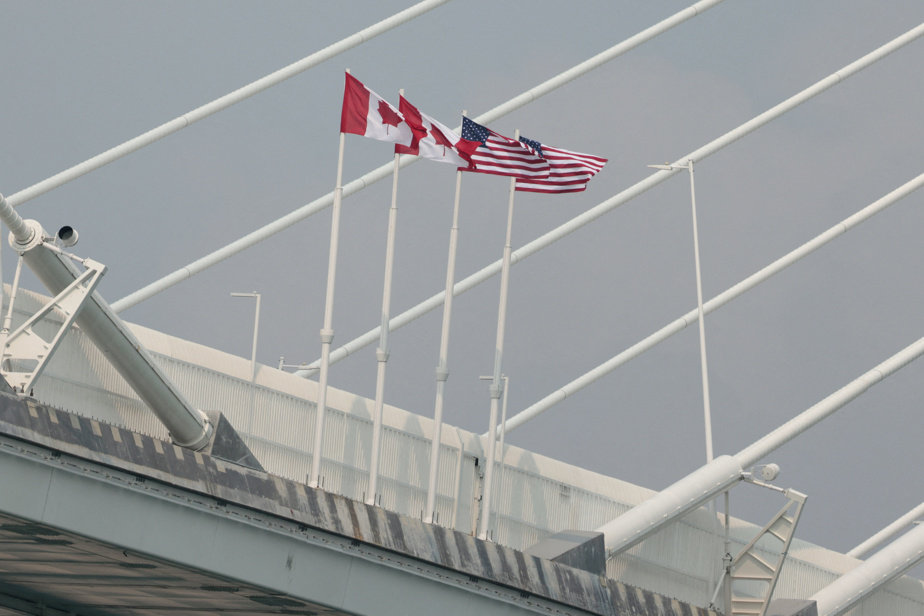
Prime Minister Mark Carney’s government faces mounting political pressure as Canada and the United States negotiate a prospective trade deal ahead of an August 19, 2026 tariff deadline. While Ottawa signals willingness to discuss concessions, critics demand a tougher stance against looming 50 per cent U.S. tariffs.
Canada and the United States are actively discussing a prospective trade agreement in which Ottawa would address several long-standing U.S. demands in exchange for relief on sectoral tariffs, according to reporting from the Globe and Mail. The diplomatic push comes as a new wave of 50 per cent tariffs threatened by President Donald Trump is set to take effect on August 19, 2026. Unlike previous measures, these proposed duties would not exempt products that otherwise comply with the Canada-United States-Mexico Agreement, or CUSMA.
High-Stakes Diplomacy in Washington and Political Fallout at Home
Canada-U.S. Trade Minister Dominic LeBlanc traveled to Washington for intensive discussions alongside Canada’s chief negotiator, Janice Charette. Trade Representative Jamieson Greer for roughly 90 minutes to address persistent trade friction. As La Presse reported, Ottawa has signaled an openness to address several key U.S. complaints, including automotive quotas, provincial restrictions on American alcohol, and government procurement policies.
The negotiations have sparked sharp domestic criticism. Conservative Leader Pierre Poilievre criticized the federal strategy during a press appearance in St. John’s, N.L., arguing that pre-emptive compromises weaken Canada’s negotiating position.
“I don’t understand the strategy of making concession after concession after concession before even getting to the negotiating table.”
Pierre Poilievre, Leader of the Conservative Party, via iPolitics
Poilievre urged the government to leverage Canada’s military purchases and natural resources instead of making unilateral gestures, insisting that past concessions have fundamentally failed to deter American trade pressure.
Supply Management and the Provincial Alcohol Standoff
Dairy supply management remains a central point of contention. U.S. negotiators have long targeted Canada’s protected dairy sector and restrictions that limit direct market access for American producers. While Ottawa has indicated it is willing to accept the White House’s interpretation of dairy quota allocations, Dairy Farmers of Canada warned the federal government against eroding the system further, stating that the nation’s food sovereignty is not for sale.
Meanwhile, the question of American alcohol on provincial retail shelves has created a distinct federal-provincial dynamic. The White House has demanded the immediate and permanent return of U.S. wine, beer, and spirits to Canadian retail displays after several provinces removed them following earlier tariff actions. However, provincial leaders have pushed back. The cabinet of Quebec Finance Minister Eric Girard confirmed that products from the United States will remain excluded from Société des alcools du Québec (SAQ) branches until an equitable agreement is secured.
Bilateral Trade Volumes and Sectoral Tariff Pressures
Underpinning the current diplomatic crunch is a measured cooling in cross-border commerce. According to data provided by Global Affairs Canada, the total value of trade in goods and services between Canada and the United States declined by nearly $2 billion between the first quarter of 2024 and the opening three months of 2026.
Total bilateral commerce reached $322.8 billion in the first quarter of 2026, comprising $169.6 billion in exports and $153.1 billion in imports. While certain sectors like cacao, electronics, and precious metals saw notable gains, automotive trade dropped sharply by 18.9 percent, shedding $6.7 billion, and iron and steel trade fell by 43.5 percent.
Path Forward Toward August 19
Prime Minister Mark Carney defended his administration’s approach during a press conference in Toronto, maintaining that bilateral discussions remain constructive and that the tone taken with Washington is appropriately firm.

In exchange for addressing U.S. demands on procurement and market access, Ottawa aims to secure reductions in sectoral tariffs on Canadian steel, aluminum, lumber, and automobiles.
Keep reading