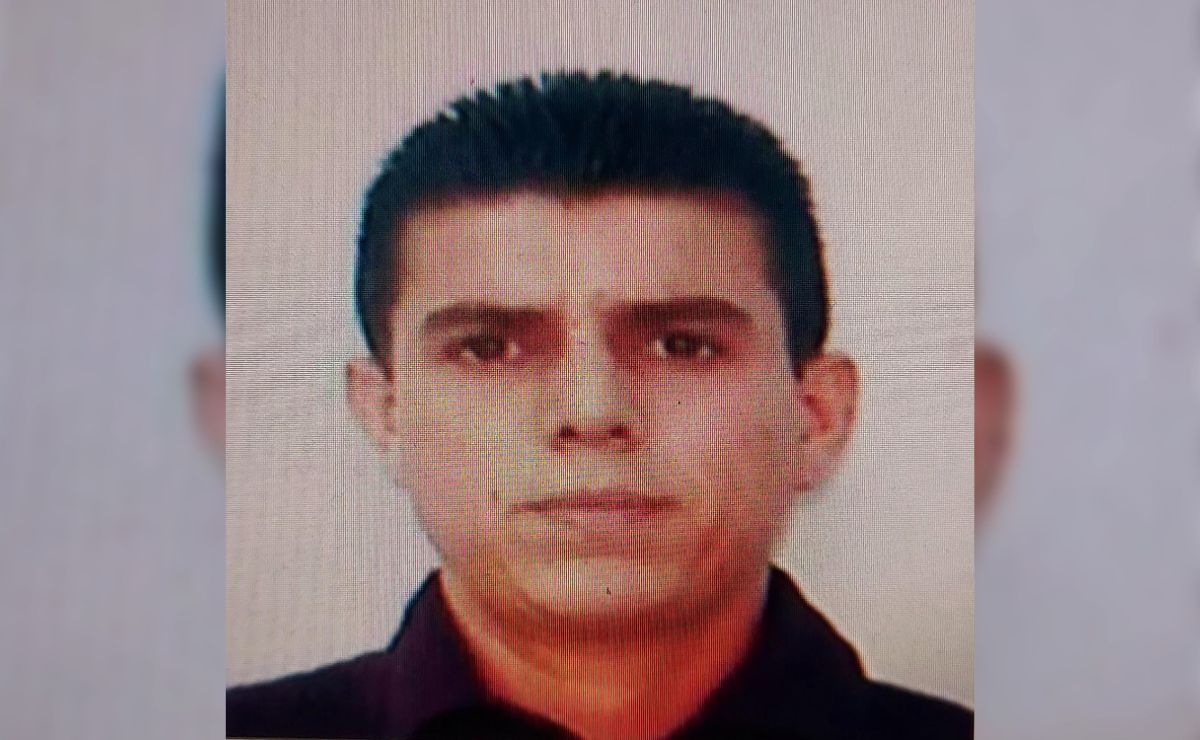
The updated bounty marks an increase from a previous $5 million reward, intensifying the pressure campaign by the administration of President Donald Trump against the Jalisco New Generation Cartel, known as CJNG.
U.S. Escalates Pressure With $25 Million Reward for CJNG Leader Juan Carlos González
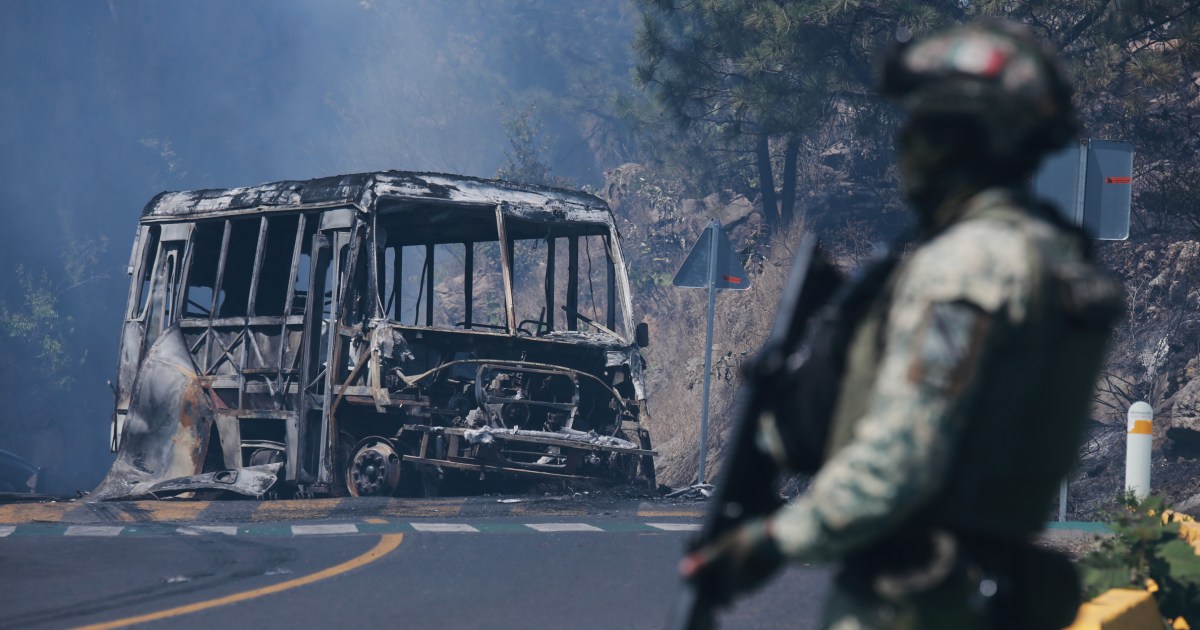
Juan Carlos González, a dual Mexican and U.S. citizen born in Santa Ana, California, on September 12, 1984, emerged as the figurehead and leader of Mexico’s most powerful cartel following the death of his stepfather, Nemesio Rubén Oseguera Cervantes, widely known as “El Mencho.” Oseguera Cervantes was killed in February by the Mexican military during an operation in the state of Jalisco, where the U.S. provided intelligence support. The raid resulted in a burst of violence in the region, with officials noting that the former leader died from gunshot wounds after being wounded and transported to Mexico City.
Indictments and Multimillion-Dollar Bounties Target Cartel Leadership
During a press conference in Washington, D.C., acting U.S. Attorney General Todd Blanche, alongside FBI Director Kash Patel and DEA Director Terry Cole, announced that the U.S. Department of Justice unsealed criminal charges against five high-ranking members of the CJNG, as reported by Reuters. The defendants, none of whom are currently in U.S. custody or have appeared in court, face charges including drug trafficking, firearms offenses, and fraud related to the importation of fentanyl, cocaine, methamphetamine, and other illegal substances into the United States.
The newly unsealed indictments and reward offers target several key figures within the organization:
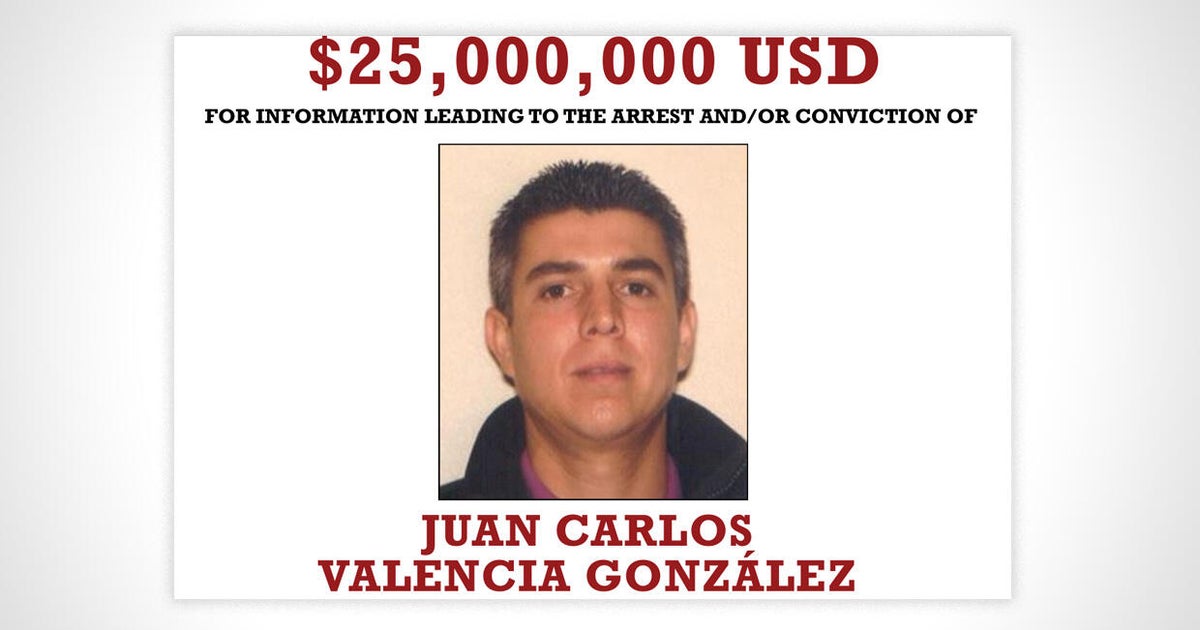
- Juan Carlos González (“Pelón”): $25 million reward.
- Audias Flores Silva (“El Jardinero”): Up to $15 million reward.
- Gonzalo Mendoza Gaytán (“Sapo”): Up to $15 million reward (described as the former leader’s godson).
- Julio Alberto Castillo Rodríguez (“Chorro”): Up to $15 million reward (Oseguera Cervantes’s former son-in-law).
- Ricardo Ruiz Velasco (“Tripa”): Up to $10 million reward.
- Julio César Montero Pinzón (“El Tarjetas”): Up to $10 million reward.
- Carlos Andrés Rivera Varela (“La Firma”): Up to $10 million reward.
- Griselda Margarita Arredondo Pinzón: Up to $2 million reward.
According to NBC News, acting Attorney General Todd Blanche emphasized the severe impact of these operations, stating that these sophisticated groups use violence and fear to maintain control over the importation of deadly narcotics that spread death to communities.
Sanctions, Visa Restrictions, and Geopolitical Tensions
The widening offensive against the CJNG encompasses sweeping financial penalties and diplomatic measures. Weeks prior to the reward increase, the United States imposed sanctions on 50 people and companies linked to the cartel—including González—which froze assets and blocked U.S. financial transactions. Additionally, the State Department restricted the visas of family members and business associates, canceling the visas of 65 individuals associated with the cartel, 26 of whom held active travel documents.
The cartel operates as a foreign terrorist organization designated by the Trump administration, maintaining a presence in 21 of Mexico’s 32 states and extending its operations internationally, including into the United States. Its illicit enterprises range from drug smuggling and fentanyl distribution to avocado production and fuel theft rings designed to evade Mexican taxes while generating tens of millions of dollars annually.
The ramped-up pressure from Washington has strained relations with the government of Mexican President Claudia Sheinbaum. While U.S. officials have threatened potential military action against cartels inside Mexican territory, President Sheinbaum has categorically rejected such proposals, asserting that foreign military intervention would violate national sovereignty.
Keep reading