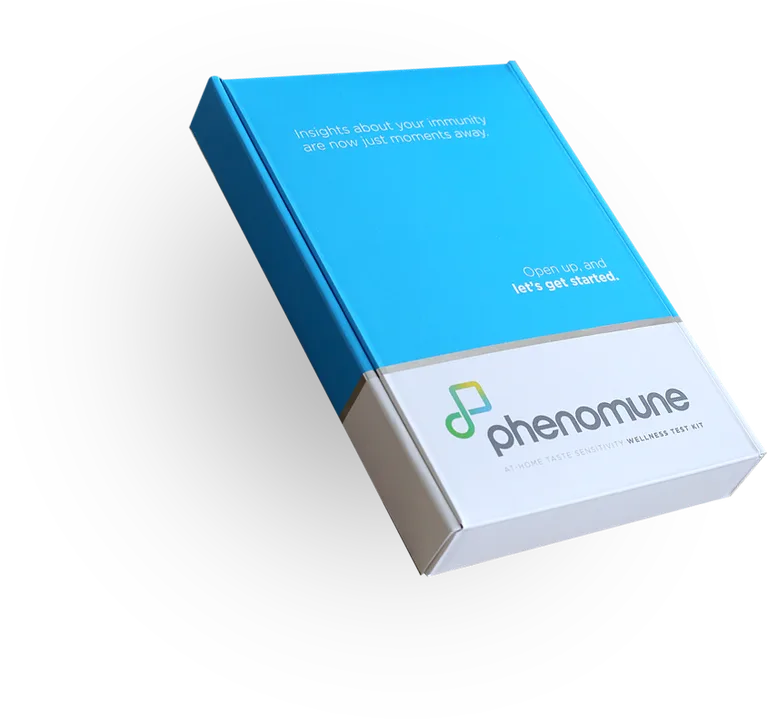
The Louisiana Department of Health (LDH) has initiated a statewide public health program providing residents with no-cost, at-home immune profiling kits in an effort to reduce the burden of respiratory illness on the state’s healthcare infrastructure. The initiative, which distributes up to 250,000 test kits, utilizes biotechnology designed to assess individual immune responses to seasonal pathogens, according to official state documentation. By identifying personal susceptibility, the program aims to shift public health management from a reactive model to a proactive, data-driven framework.
This effort, supported by Governor Jeff Landry, seeks to address the recurring strain on rural and Medicaid-funded care networks caused by seasonal surges in influenza, COVID-19, and bronchitis. The program represents a departure from traditional diagnostic methods, relying on the analysis of bitter taste receptor phenotypes to provide actionable health insights. As the state implements this strategy, officials intend to use anonymized, population-level data to better allocate medical resources across Louisiana’s clinical landscape.
Scientific Basis of Immune Profiling
The core technology behind the initiative focuses on the T2R family of bitter taste receptors, which are found not only in the mouth but also throughout the upper respiratory tract. Peer-reviewed research, including studies published in the Journal of the American Medical Association (JAMA), indicates that these receptors function as part of the body’s innate mucosal immune system. When activated by environmental pathogens, T2Rs trigger the release of nitric oxide, a compound that helps inhibit viral replication and promotes the clearance of respiratory secretions.

According to research led by Dr. Henry P. Barham, a board-certified rhinologist and otolaryngologist, there is a measurable correlation between an individual’s T2R phenotype—categorized as “nontaster,” “taster,” or “supertaster”—and their susceptibility to severe respiratory infections. Data from a prospective cohort trial of more than 2,000 participants, as cited in the International Forum of Allergy & Rhinology, suggests that individuals with specific T2R profiles may experience different clinical outcomes when exposed to respiratory threats. This biological variance serves as the foundation for the risk-stratification model now being deployed across Louisiana.
The Testing Process and User Experience
The program is designed for accessibility, requiring no clinical setting or laboratory involvement from the user. Participants aged 13 and older receive a kit containing four calibrated chemical taste strips. By placing these strips on the tongue and recording their sensory reactions within a dedicated mobile application, users generate a personalized immune profile. The application is designed to be HIPAA-compliant, ensuring the privacy of the individual’s health data while providing immediate feedback on their potential respiratory defensive capacity.

This at-home approach is intended to bypass the traditional diagnostic bottlenecks that often force individuals to seek emergency care for low-acuity symptoms. By providing this information upfront, the state hopes to encourage earlier, home-based health management. The initiative also allows healthcare providers, including Federally Qualified Health Centers (FQHCs) and nursing homes, to integrate these profiles into existing care plans, enabling more targeted interventions for patients identified as high-risk.
Public Health Strategy and Resource Allocation
The integration of this data at a population level is a primary objective for the Louisiana Department of Health. While individual users receive personalized reports, the platform aggregates anonymized metrics that are shared with state epidemiologists. This creates a real-time dashboard that can visualize regional health trends, allowing the state to allocate vaccines, staffing, and other medical supplies more effectively during peak respiratory seasons.
“Louisiana is taking a bold step to lead on preventive health by putting science-backed tools directly into the hands of our people,” Governor Jeff Landry stated regarding the initiative. The program aligns with broader federal priorities focused on reducing healthcare costs and improving outcomes for Medicaid populations. By lowering the barriers to health insights, the state aims to mitigate the “predictable surge” in hospitalizations that has historically overwhelmed municipal health departments and emergency departments during the winter months.
Future Implementation and Clinical Integration
As the rollout progresses, the Louisiana Department of Health and its biotechnology partner, Phenomune, are focusing on the onboarding of clinical networks. Outreach specialists are currently working with hospitals and community clinics to ensure the platform is used effectively within existing care coordination models. The goal is to establish a permanent, data-informed infrastructure that can manage seasonal capacity fluctuations more efficiently than previous, reactive systems.
Residents and healthcare providers interested in the program can look for updates through the official channels of the Louisiana Department of Health. The state has not yet announced specific dates for the next phase of distribution, but the program is currently positioned as a cornerstone of Louisiana’s broader effort to modernize public health delivery. Further announcements regarding program expansion or the availability of additional kits will be provided by the LDH as the initiative scales across the state.
Readers are encouraged to monitor the official Louisiana Department of Health website for updates on kit availability and program guidelines. Public feedback and clinical success metrics are expected to be reviewed by state health officials in future reporting cycles.
Related reading