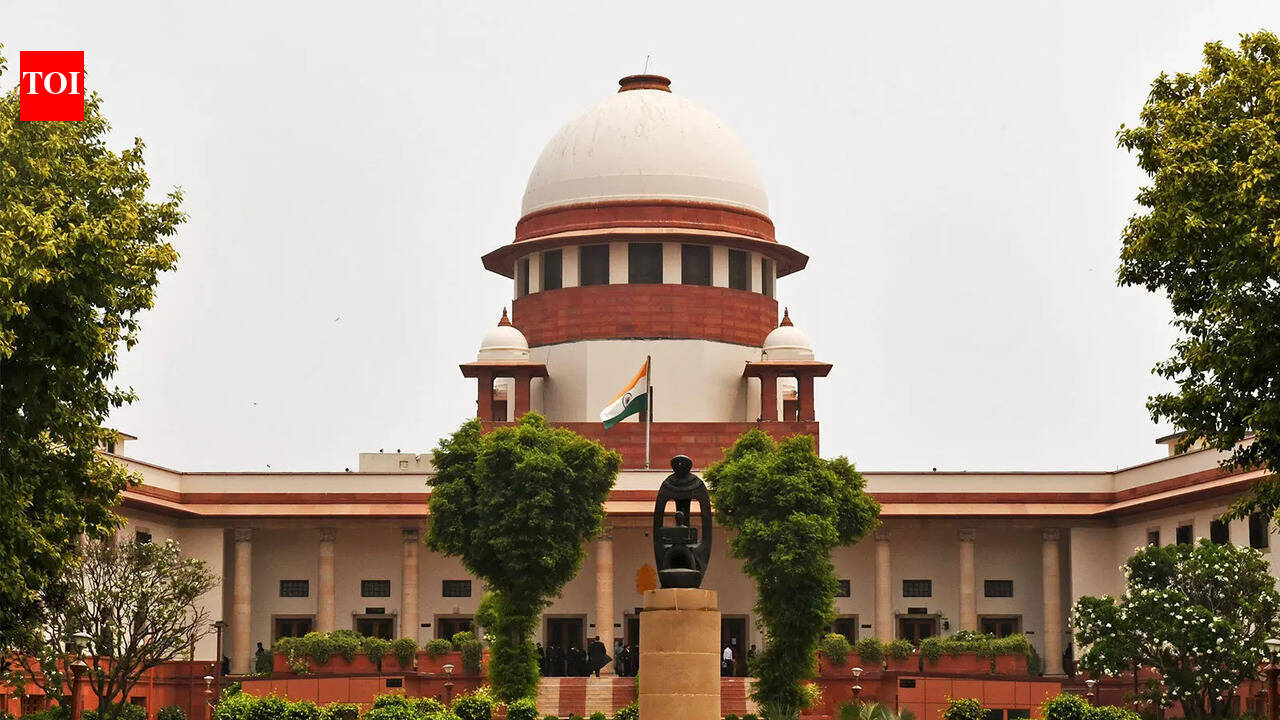
Supreme Court Seeks Response from Centre and Punjab Over RTE Quota Implementation
The Supreme Court of India has issued formal notices to the Central Government and the Punjab state government regarding the alleged failure to implement the Right to Education (RTE) Act’s mandatory 25% reservation for disadvantaged children. The court is seeking clarification on why the legal requirement to provide seats in private schools for children from weaker sections remains largely unfulfilled in the state, according to court proceedings.
The legal intervention follows a Public Interest Litigation (PIL) filed by Jagmohan Singh Raju, which claims that the implementation of the Right of Children to Free and Compulsory Education (RTE) Act, 2009, has been inadequate in Punjab. The petitioner alleges that the specific mandate intended to bridge the educational gap between different socio-economic classes is not being met by the state’s educational institutions and administrative bodies.
The Legal Mandate of the Right to Education Act
The Right of Children to Free and Compulsory Education (RTE) Act, 2009, is a landmark piece of legislation in India designed to ensure that all children between the ages of six and fourteen have access to quality education. A critical component of this law is Section 12(1)(c), which mandates that private, unaided schools reserve 25% of their entry-level seats for children belonging to economically weaker sections (EWS) and disadvantaged groups.
Under this provision, the government is responsible for reimbursing private schools for the cost of educating these students, effectively subsidizing the integration of marginalized children into mainstream private educational environments. The goal of this policy is to promote social integration and provide equitable access to high-quality schooling, regardless of a child’s financial background.
The failure to implement this quota has long been a point of contention for human rights advocates and legal experts. When schools fail to comply with the 25% reservation, the primary consequence is the continued exclusion of vulnerable populations from the formal educational benefits that private institutions provide, thereby widening the inequality gap in the country’s social fabric.
Allegations of Non-Compliance in Punjab
The petition filed by Jagmohan Singh Raju specifically targets the gap between the legislative intent of the RTE Act and its practical application within Punjab. The PIL asserts that despite the statutory requirement, the number of students from disadvantaged backgrounds actually enrolled in private schools under the quota is significantly lower than what the law requires.

While the state government is tasked with overseeing the implementation of these educational rights, the petitioner argues that the current administrative oversight has been insufficient to ensure compliance. The legal challenge suggests that both the state and central authorities must address why the mechanisms for monitoring school admissions and enforcing the 25% quota have not been effectively utilized.
Legal analysts note that the involvement of the Supreme Court indicates the gravity of the issue. By issuing notices to both the Union Government and the Punjab state administration, the court is demanding an accounting of how the law is being enforced and why the discrepancy between the law and ground reality exists. This dual notice structure ensures that both the policy-making body at the national level and the implementing body at the state level are held accountable.
Key Takeaways: The RTE Implementation Challenge
- Legal Requirement: The RTE Act, 2009, mandates a 25% reservation in private unaided schools for children from economically weaker sections and disadvantaged groups.
- Core Grievance: A PIL filed by Jagmohan Singh Raju alleges that Punjab has failed to adequately implement this quota, leaving many eligible children without access to private schooling.
- Judicial Action: The Supreme Court has issued notices to the Central Government and the Punjab government to explain the current status of implementation.
- Social Impact: Non-compliance undermines the Act’s goal of social integration and equitable access to education for marginalized communities.
Why the Implementation Gap Matters
The failure to enforce the RTE quota is more than an administrative oversight; it is a direct challenge to the constitutional promise of equality of opportunity. When the 25% reservation is not met, the social mobility promised to children from weaker sections is stalled. These students are often left in under-resourced public institutions while their more affluent peers access the resources of private schools.

Furthermore, the lack of enforcement creates a systemic loophole. If private schools are not held to the strict standards of Section 12(1)(c), the incentive to integrate diverse socio-economic groups diminishes. This leads to a fragmented education system where social stratification is reinforced rather than dismantled through classroom interaction.
For the state of Punjab, the outcome of this Supreme Court proceeding could lead to a significant overhaul of how educational admissions are monitored. The court’s inquiry may force the state to implement more rigorous verification processes for school admissions and more transparent reporting mechanisms to ensure that the “disadvantaged” quota is not just a paper mandate but a functional reality.
What Happens Next in the Legal Process?
The immediate next step in this legal matter is for the Central Government and the Punjab state government to file their respective affidavits in response to the Supreme Court’s notices. These documents must provide detailed data on the current number of admissions under the RTE quota in Punjab, the number of seats available in private schools, and the specific steps taken by the state to monitor compliance.
Once these responses are submitted, the Supreme Court will review the information to determine if the current implementation efforts are sufficient or if further judicial intervention—such as specific directives or the appointment of an independent monitoring committee—is required. The next hearing will be the critical checkpoint for determining the future of RTE enforcement in the region.
We will continue to monitor the court’s filings and provide updates as the legal proceedings progress. If you have information or perspectives on educational access in your region, please share your thoughts in the comments below.
Keep reading