
A growing trend of “pseudo-productivity” is reshaping modern workplace dynamics, as employees increasingly prioritize performative tasks over substantive output. This phenomenon, characterized by an obsession with visible busyness—such as constant status updates, back-to-back meetings, and rapid email responses—often masks a lack of actual progress on strategic goals. According to research from the Harvard Business Review, this culture is frequently driven by organizational structures that value the appearance of work rather than the measurable impact of tasks performed.
For many professionals, the shift toward remote and hybrid work environments has accelerated these behaviors. Without the physical oversight of a traditional office, workers often feel compelled to demonstrate their activity through digital signals. This “productivity theater” creates a cycle where employees spend more time managing the perception of their labor than engaging in deep, high-value work, ultimately stalling innovation and increasing burnout rates across sectors.
The Mechanics of Performance-Based Work
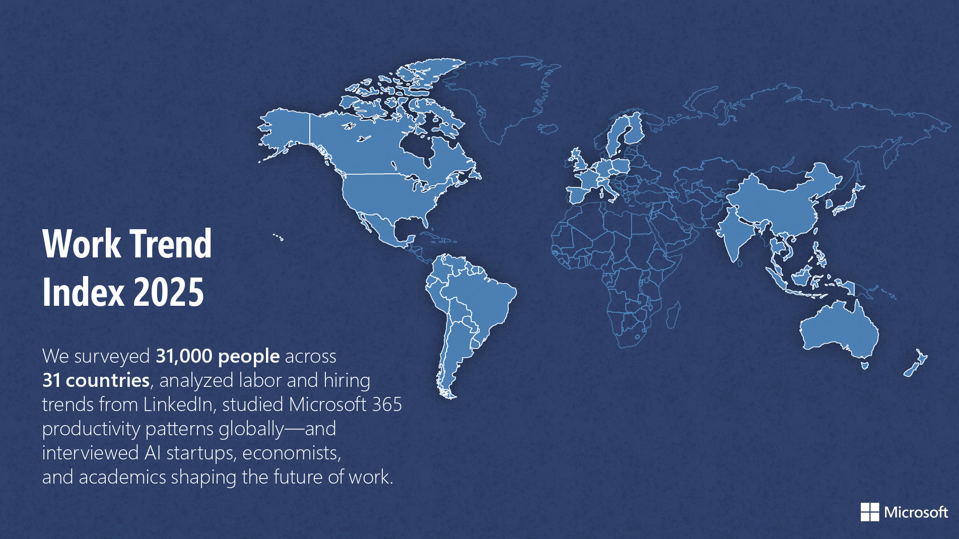
Pseudo-productivity functions as a defensive mechanism within corporate hierarchies. When employees perceive that their value is measured by their responsiveness or their presence in digital channels, they naturally optimize for those metrics. A study by Microsoft’s Work Trend Index notes that “productivity paranoia”—the fear among leaders that employees are not working enough—leads to an increase in digital surveillance and excessive meeting cadences, which further incentivizes performative behavior.
This dynamic creates a misalignment between individual effort and organizational objectives. When an organization prioritizes “busyness” as a proxy for performance, it inadvertently penalizes deep work. According to data from Gartner, companies that shift toward “human-centric” work design—which emphasizes outcomes over activity monitoring—report higher levels of employee engagement and sustainable performance. The transition requires a fundamental change in how managers define success, moving away from activity logs and toward clear, goal-oriented milestones.
The Hidden Costs of Performative Labor
The consequences of a culture centered on pseudo-productivity extend beyond mere inefficiency. It leads to the erosion of long-term strategic focus as teams become consumed by short-term, reactive tasks. A report from the McKinsey Global Institute highlights that the cognitive load of managing constant communication—often referred to as “context switching”—can reduce effective work time by as much as 40 percent. This creates a feedback loop where employees work longer hours to compensate for the lack of actual output, exacerbating mental exhaustion.

Furthermore, this culture impacts talent retention. High-performing individuals, who are often the most sensitive to inefficient processes, are increasingly seeking environments that provide autonomy and clear objectives. When the workplace is defined by artificial urgency, the result is often a decline in morale. Organizations that fail to address these systemic issues often face higher turnover rates, as employees report a lack of alignment between their daily efforts and the company’s broader mission.
Strategies for Restoring Substantive Output
To combat the rise of performative work, management experts emphasize the importance of autonomy and objective-based management. By implementing frameworks like Objectives and Key Results (OKRs), companies can shift the focus from how an employee spends their day to what they actually achieve. According to guidance from the Society for Human Resource Management (SHRM), effective performance management should focus on the quality of output rather than the quantity of digital activity.
Managers play a critical role in dismantling the culture of pseudo-productivity by modeling different behaviors. This includes:
- Establishing “deep work” blocks where digital communication is discouraged.
- Focusing performance reviews on project outcomes rather than activity metrics.
- Encouraging asynchronous communication to reduce the pressure of instant responsiveness.
- Clarifying organizational priorities so employees understand which tasks actually drive value.
The shift away from performative work is not merely a cultural adjustment; it is an operational necessity for companies aiming to remain competitive in an increasingly digital landscape. By valuing results over visible activity, organizations can foster a more sustainable and productive environment.
Future Outlook and Organizational Adjustments
As organizations continue to refine their hybrid work policies, the focus is likely to shift toward measuring impact through data-driven performance indicators rather than behavioral surveillance. The next phase of this evolution will involve the integration of AI-supported project management tools that prioritize output tracking. Employers are expected to provide updates on their internal performance frameworks during the upcoming fiscal quarter, as many firms look to standardize their hybrid work expectations.
The challenge remains for leadership to cultivate trust in an environment where physical presence is not the primary gauge of performance. Further updates regarding industry standards for remote work metrics are expected from major business advisory bodies in the coming months. Readers interested in the latest developments regarding workplace efficiency and organizational design are encouraged to share their experiences in the comments section below.
Keep reading