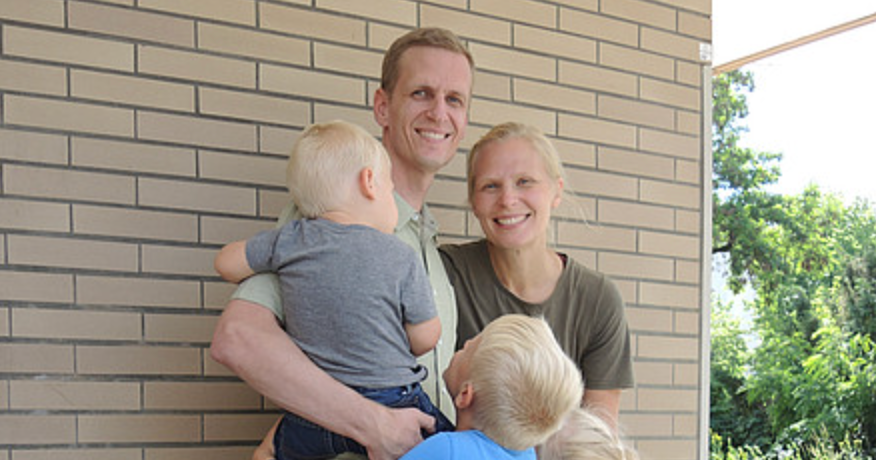
Dr. Peter Stafford, an American medical missionary, has returned to the United States after recovering from Ebola virus disease. According to the Pennsylvania-based Christian missions organization Serge, Dr. Stafford, his wife Rebekah, and their four children arrived safely on Monday, with the doctor reporting that he is “feeling well.”
The Stafford family’s return marks the conclusion of a high-risk medical period for the physician, who contracted the virus while engaged in mission work. While specific details regarding the location of his infection and the exact timeline of his clinical treatment have not been released by official medical authorities, the mission organization confirmed the family’s safe arrival on U.S. soil.
What is known about Dr. Peter Stafford’s recovery?
Following his diagnosis and subsequent treatment, Dr. Stafford has indicated a positive trajectory in his health. The statement provided by Serge, which facilitates the work of many international missionaries, noted that the entire family—including Rebekah Stafford and their four children—successfully completed their travel on Monday. The report that Dr. Stafford is “feeling well” suggests he has moved past the acute phase of the viral infection.

Medical professionals typically monitor Ebola survivors closely due to the potential for long-term complications. According to the World Health Organization (WHO), survivors may experience “post-Ebola syndrome,” which can include joint pain, vision problems, and fatigue. While Dr. Stafford reports feeling well, standard medical protocol for individuals returning from Ebola-affected regions often involves period-specific observation to ensure no lingering viral activity or secondary health issues emerge.
The recovery of a medical professional provides a significant narrative in the context of humanitarian aid. Medical missionaries often operate in regions where healthcare infrastructure is limited, placing them at a higher statistical risk for contracting infectious diseases like Ebola while attempting to provide life-saving care to local populations.
The role of Serge and medical missionary work
Serge is a Christian missions organization headquartered in Pennsylvania that supports various international outreach programs. The organization acted as the primary communicator regarding the Stafford family’s status and their safe return to the United States. Missionaries supported by such organizations often serve in high-risk environments, providing both spiritual and physical medical assistance in regions experiencing outbreaks of infectious diseases.

The work performed by medical missionaries like Dr. Stafford often fills critical gaps in global health. In many areas where Ebola outbreaks occur, the ratio of healthcare workers to patients is extremely low. These professionals frequently work under the following conditions:
- Limited access to personal protective equipment (PPE).
- High patient volumes in makeshift medical facilities.
- Geographic isolation from major medical centers.
- The necessity of treating patients during active epidemic phases.
The Stafford family’s return highlights the personal and familial toll of international mission work. When a primary caregiver or missionary falls ill, the entire family unit is often subject to quarantine protocols and the logistical complexities of international medical evacuation.
Understanding the risks of Ebola virus disease
Ebola virus disease (EVD) is a severe, often fatal illness caused by infection with one of the Ebola virus species. The virus is transmitted to humans through close contact with the blood, secretions, organs, or other bodily fluids of infected animals, such as fruit bats or non-human primates, and subsequently through human-to-human transmission via broken skin or mucous membranes.
The Centers for Disease Control and Prevention (CDC) notes that the symptoms of Ebola can appear anywhere from 2 to 21 days after exposure. Early symptoms often include fever, fatigue, muscle pain, headache, and sore throat. As the disease progresses, patients may experience vomiting, diarrhea, impaired kidney and liver function, and in some cases, internal and external bleeding.
The survival rate for Ebola has varied significantly depending on the strain of the virus and the quality of supportive care available. Recent advancements in medical science, including the development of monoclonal antibody treatments and vaccines, have improved the outlook for patients in controlled clinical settings. The recovery of Dr. Stafford suggests that he received sufficient medical intervention to overcome the acute stages of the virus.
Ebola Transmission and Prevention Summary
For those working in or traveling to regions where Ebola is endemic, prevention remains the primary defense. Medical protocols focus heavily on strict infection control measures to prevent the spread of the virus within communities and healthcare settings.
| Category | Key Details |
|---|---|
| Primary Transmission | Direct contact with infected bodily fluids. |
| Common Symptoms | Fever, muscle pain, headache, and gastrointestinal distress. |
| Prevention Methods | Use of PPE, rigorous hand hygiene, and vaccination where available. |
| Recovery Monitoring |
Medical protocols for infectious disease travelers
When a person suspected of having or recovering from a highly infectious disease like Ebola returns to the United States, they are subject to specific public health oversight. This is designed to protect the domestic population and ensure the traveler receives any necessary follow-up care.
While the specific medical monitoring plan for Dr. Stafford has not been made public, typical procedures for travelers arriving from Ebola-endemic zones include:
- Traveler Health Screening: Evaluation by health officials upon arrival to assess current symptoms.
- Contact Tracing: Identifying any individuals who may have been exposed during the travel process.
- Follow-up Care: Coordination with local health departments to monitor for any delayed symptoms or complications.
The successful return and reported well-being of the Stafford family represent a positive outcome in a situation that carries significant public health and personal risks. As the family transitions back to life in the United States, the focus remains on their continued health and the stability of the mission work they represent.
Further updates regarding the Stafford family’s health or any official statements from Serge are expected as they become available.
Please share this report and leave your comments below regarding the challenges and importance of international medical mission work.
Keep reading