
Chinese automakers are facing a cooling domestic market even as their global export footprint expands, prompting analysts to question whether the rapid growth trajectory of the country’s automotive sector is nearing a structural turning point. While manufacturers have aggressively pursued international markets to offset slowing demand at home, domestic sales data shows a widening gap between production capacity and consumer appetite, according to recent industry reports from the China Passenger Car Association (CPCA).
The shift comes as European and German regulators increase scrutiny of Chinese electric vehicle (EV) imports, citing concerns over state subsidies and market fairness. For global observers, the tension between China’s export-driven strategy and the softening of its internal automotive market represents one of the most significant shifts in the modern global economy, impacting supply chains and trade policies from Brussels to Beijing.
Domestic Market Stagnation and the Export Shift
The Chinese automotive market, long the world’s largest, has shown signs of saturation and shifting consumer preferences. According to data released by the China Passenger Car Association (CPCA), domestic retail sales have struggled to maintain the double-digit growth rates seen in previous years, as economic headwinds and a property sector slump dampen consumer confidence. Manufacturers, faced with high inventory levels, have increasingly turned to international markets to sustain their operational scale.

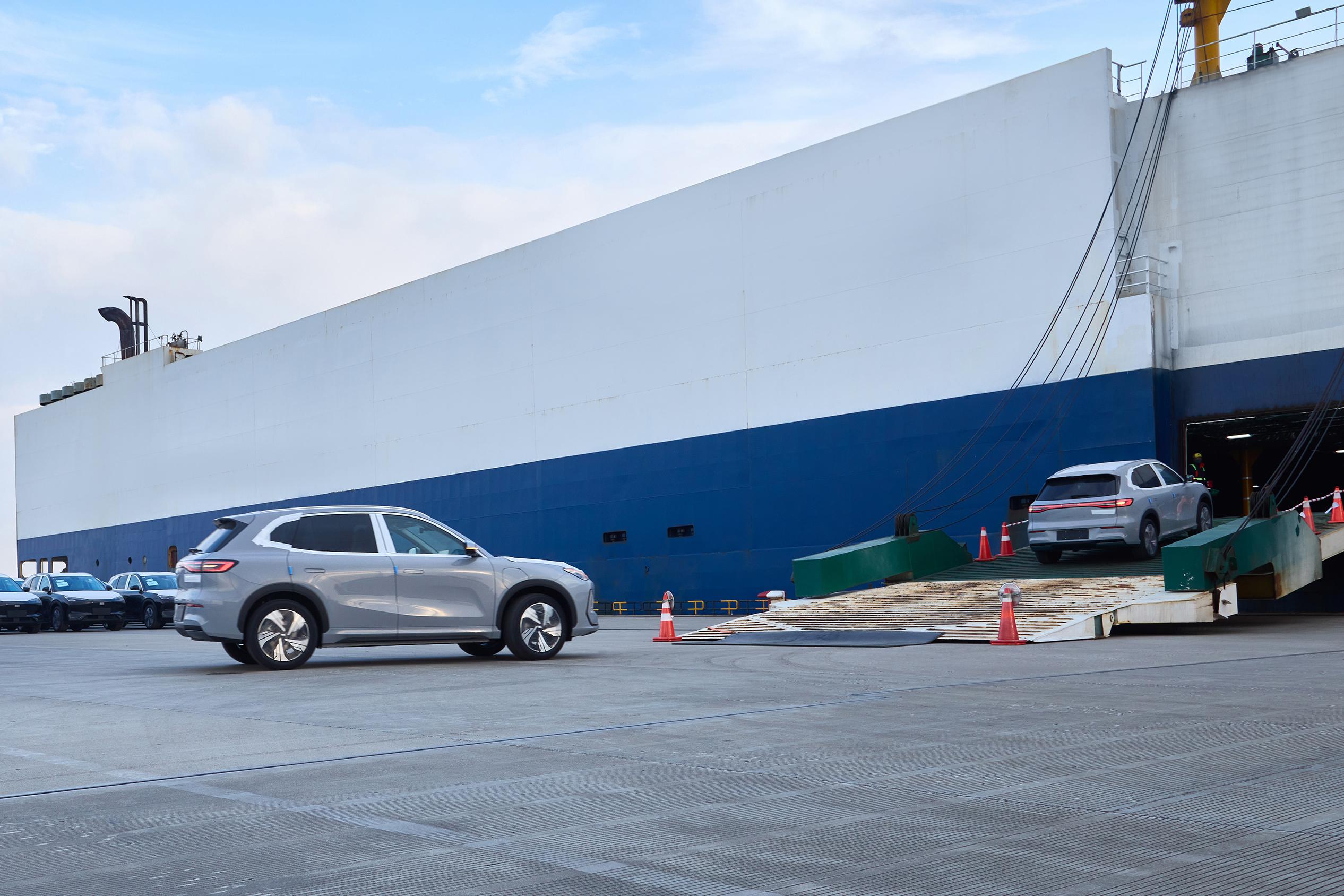
This pivot has made China the world’s largest exporter of vehicles, surpassing Japan in 2023, according to figures from the China Association of Automobile Manufacturers (CAAM). However, this export reliance is not without risk. Relying on overseas markets exposes Chinese firms to geopolitical volatility and the potential for protectionist trade barriers, which are becoming increasingly prevalent in key Western markets.
Regulatory Hurdles in the European Union
The European Union has responded to the surge in Chinese EV imports by launching formal investigations into whether these vehicles benefit from unfair state subsidies. In July 2024, the European Commission implemented provisional tariffs on Chinese-made electric vehicles, with rates reaching up to 37.6% on top of existing duties, as reported by the European Commission. These measures aim to protect European manufacturers from what the Commission describes as a distortion of the competitive landscape.

German automakers, which hold significant market share and joint ventures within China, find themselves in a precarious position. The German automotive industry has historically relied on the Chinese market for a substantial portion of its global profits. As trade tensions rise, German industry leaders have expressed concern that retaliatory measures from Beijing could jeopardize their operations in China, creating a complex diplomatic and economic dilemma for the German federal government.
The Future of Global Automotive Competition
The central question facing the industry is whether the current export-led growth is sustainable or if it will trigger a broader realignment of global trade. Analysts at the International Energy Agency (IEA) note that while Chinese firms lead in battery technology and cost-efficient production, the long-term viability of their global expansion depends on their ability to localize production and navigate complex regulatory environments in host countries.
For consumers and investors, the next several months will be critical. The European Commission is expected to finalize its decision on definitive tariffs by late 2024, a development that will likely set the tone for trade relations between the two blocs for the remainder of the decade. As market conditions evolve, the focus remains on whether Chinese manufacturers can transition from a volume-based export strategy to one defined by established, localized manufacturing and brand integration in Western markets.
Key Industry Metrics
- Export Growth: China reached the top position globally for vehicle exports in 2023, with over 4.9 million vehicles shipped abroad, according to CAAM data.
- EU Tariff Structure: Provisional tariffs ranging from 17.4% to 37.6% were imposed on Chinese EVs by the European Commission as of July 2024.
- Domestic Trends: Growth in the Chinese domestic passenger car market has transitioned into a “new normal” characterized by single-digit fluctuations and intense price competition, as tracked by the CPCA.
The next major checkpoint for the industry involves the formal conclusion of the European Commission’s anti-subsidy investigation and subsequent announcements regarding permanent trade policy adjustments. Industry stakeholders are advised to monitor official updates from the European Commission’s trade department and the Chinese Ministry of Commerce for further developments on potential trade negotiations.
What are your thoughts on the shifting dynamics of the global automotive market? Share your perspective in the comments below.