
Malaysia is currently experiencing a significant uptick in dengue fever infections, with nationwide cases rising by 20.7% to 33,367 as of June 13, 2024, compared to 27,640 cases during the same period in 2023. This increase, documented during epidemiological week 23, has prompted health authorities to intensify monitoring and community-based intervention strategies to curb the spread of the mosquito-borne virus, according to data provided by the Ministry of Health Malaysia.
Drivers of the Current Dengue Surge
Health Minister Dzulkefly Ahmad identified two primary factors contributing to the nationwide rise: a cyclical infection trend and a shift in circulating viral sub-variants. Dengue outbreaks often follow a cyclical pattern, with peaks occurring every four to five years, a phenomenon recognized by infectious disease experts as part of the virus’s natural transmission dynamics. Alongside this trend, the Ministry of Health has observed that the DEN-3 sub-variant has become the dominant strain circulating in the country, which may be impacting the overall infection rates, as reported by the Ministry of Health Malaysia.
The situation is particularly acute in Sabah, which recorded a 50.4% increase in cases. The state reported 2,866 cases as of the same period, a sharp rise from the 1,905 cases documented during the corresponding timeframe last year. Public health officials have pinpointed several districts as the primary contributors to the state’s elevated caseload, specifically Kota Kinabalu, Kota Marudu, Tawau, Sandakan, Penampang, and Putatan.
Strategic Response: The KomBeD Programme
To mitigate the risk of further transmission, the government has launched a new strategic approach known as the Dengue-Free Community (KomBeD) programme. This initiative moves beyond traditional awareness campaigns by incorporating principles of behavioural economics. The strategy focuses on “nudging” citizens toward proactive measures, acknowledging that while public awareness of dengue prevention is high, it does not always translate into consistent household action, according to statements made by Minister Dzulkefly during the national-level Asean Dengue Day and World Malaria Day observances.
The KomBeD framework is built upon three foundational pillars:
- Environmental Interventions: Focused on eliminating stagnant water sites where the Aedes mosquito breeds.
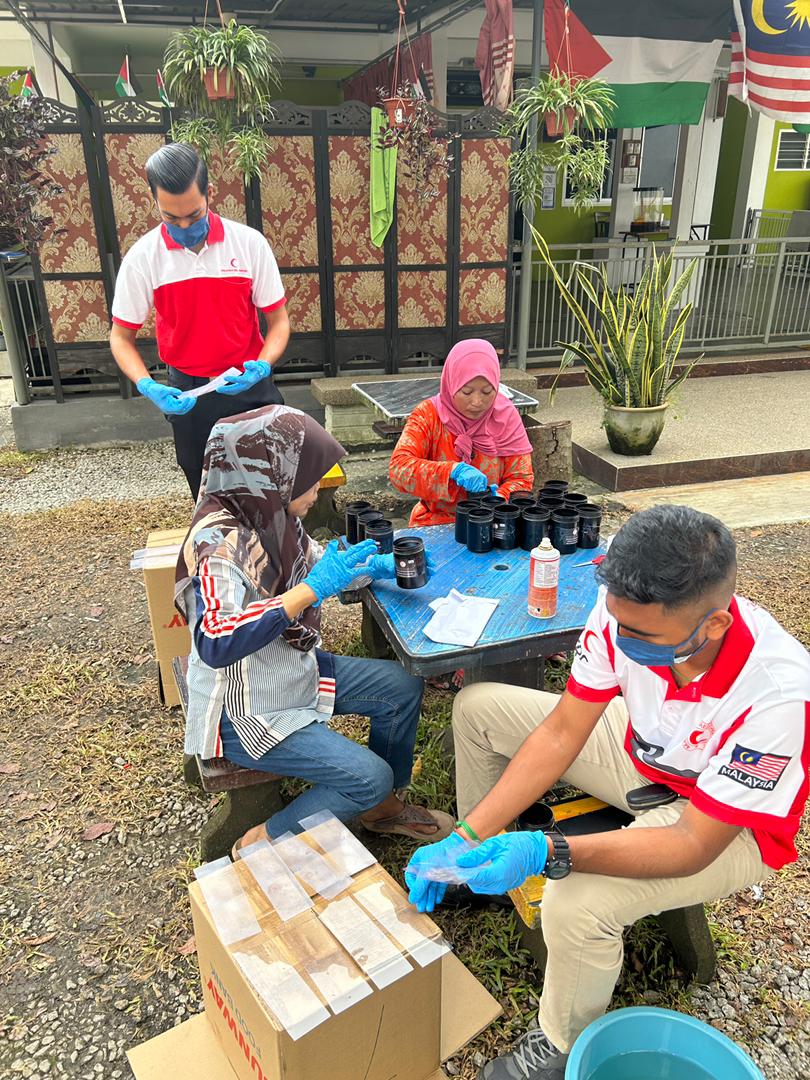
- Community Empowerment: Encouraging local neighborhoods to take ownership of their immediate surroundings through regular clean-up activities, known locally as gotong-royong.
- Entomological Surveillance: Strengthening the monitoring of mosquito populations to better predict and respond to potential outbreaks before they escalate.
Public Health Guidance and Next Steps
The Ministry of Health continues to emphasize that individual responsibility remains the most effective defense against dengue. Residents in high-risk areas like those identified in Sabah are encouraged to inspect their premises weekly for potential mosquito breeding grounds, such as discarded containers, blocked roof gutters, and flower pot plates. The Aedes mosquito, the primary vector for the virus, typically breeds in clean, stagnant water found in domestic settings.

The government’s focus on the “whole-of-society” approach suggests that future efforts will involve closer collaboration between federal ministries and state-level governments to sustain these interventions. As the Ministry of Health continues to monitor epidemiological data, citizens are advised to stay updated through the official Ministry of Health Malaysia portal for real-time advisories and localized risk assessments. The next comprehensive evaluation of the national dengue situation is expected to be released during the upcoming epidemiological reporting cycle, as part of the ongoing National Healthy Malaysia Agenda.
Have you or your community participated in local dengue prevention efforts? Share your experiences or questions regarding the new KomBeD initiatives in the comments section below.
Worth a look