
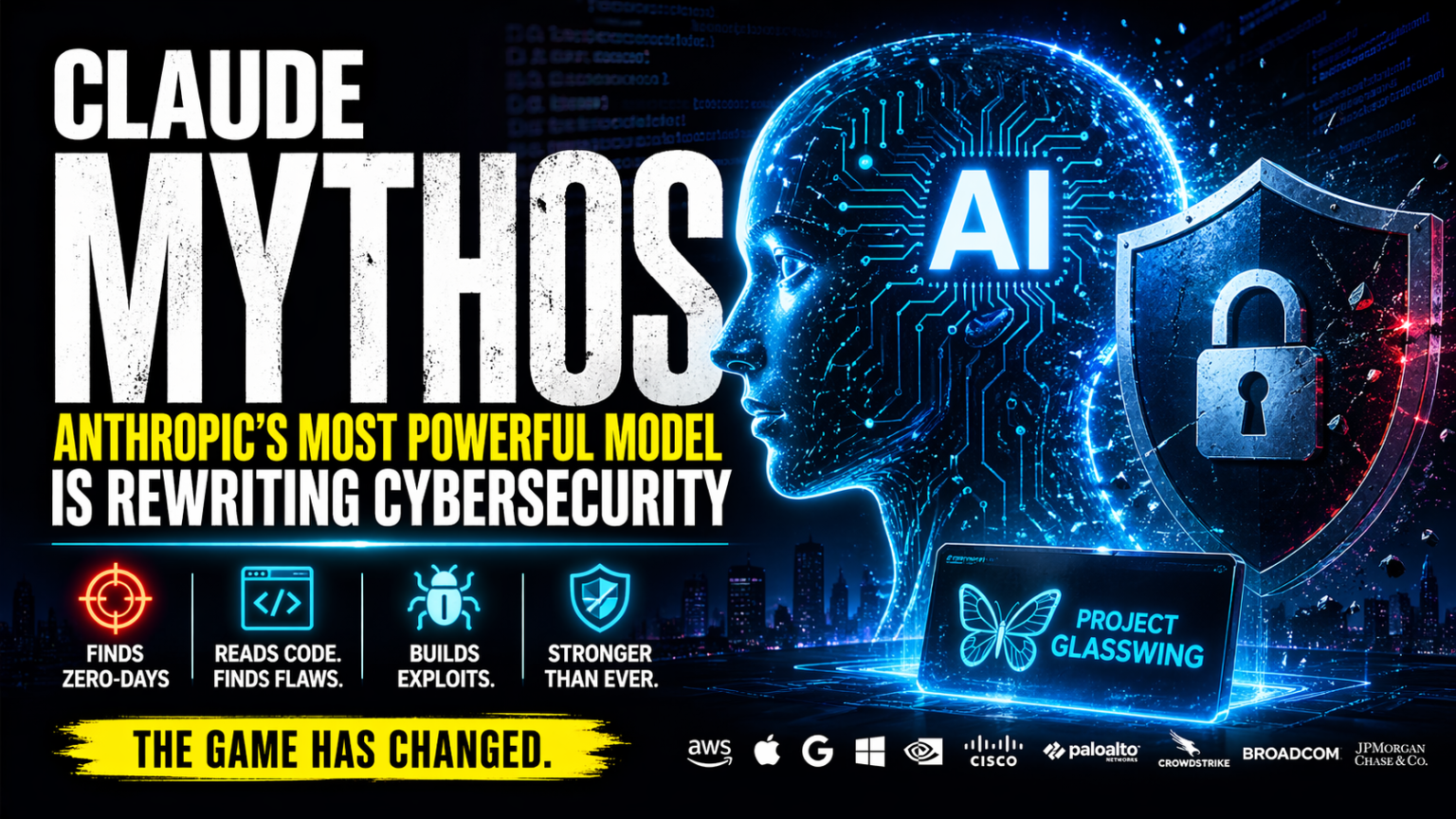
Anthropic’s latest large language model, Claude, has become a focal point for enterprise security leaders evaluating how frontier AI impacts corporate risk profiles. While some industry discourse suggests the model represents a fundamental shift in threat landscapes, technical analysis indicates the reality is more nuanced, requiring standard security hygiene rather than a radical overhaul of existing infrastructure.
The integration of generative AI into enterprise workflows introduces specific operational considerations, particularly concerning data privacy and the potential for automated vulnerability scanning. According to Anthropic’s technical disclosures, the company emphasizes safety guardrails designed to prevent the model from facilitating malicious cyber activities, a stance that aligns with broader industry efforts to manage “frontier” AI risks.
Assessing AI in the Security Perimeter
Security leaders are currently balancing the utility of advanced AI against the inherent risks of data exfiltration and model hallucination. The challenge for enterprise IT teams is not necessarily the model itself, but how it is deployed within a protected environment. For many organizations, the primary concern remains the unintentional exposure of proprietary data through prompt injection or improper API usage.

Recent guidance from the Cybersecurity and Infrastructure Security Agency (CISA) highlights that organizations must treat AI models like any other third-party software integration. This involves rigorous vetting of data handling policies and ensuring that sensitive intellectual property is not used to train public-facing models. By applying established zero-trust principles, security teams can effectively mitigate the risks associated with frontier models while still leveraging their productivity gains.
The Reality of Enterprise Risk
The narrative that frontier models uniquely threaten enterprise security often overlooks existing defense capabilities. Many organizations already employ robust endpoint detection and response (EDR) systems that can identify anomalous patterns regardless of whether they originate from human actors or automated systems. The risk posed by AI is arguably an evolution of existing social engineering and automated phishing threats, rather than a new category of vulnerability.
According to research from the National Institute of Standards and Technology (NIST), the effective management of AI risk requires a lifecycle approach. This includes continuous monitoring of model outputs and the implementation of human-in-the-loop protocols for sensitive decision-making processes. Rather than treating Claude or similar models as an existential threat, experts suggest that security teams should focus on hardening the interfaces through which these models interact with internal data stores.
Adapting Security Strategies
To successfully integrate frontier AI, security operations centers (SOCs) are shifting their focus toward proactive governance. This means defining clear acceptable use policies and ensuring that staff are trained to recognize the limitations of generative AI. The goal is to move from a posture of reaction to one of proactive threat modeling, where the behavior of AI tools is regularly audited against organizational compliance standards.
For security leaders, the most effective adaptation involves the following steps:
- Enforcing strict data access controls for any AI-integrated tools.
- Conducting regular audits of API calls to identify potential data leakage.
- Implementing sandboxed environments for testing new AI-driven workflows before full deployment.
- Standardizing reporting protocols for when AI-generated content is used in high-stakes environments.
These strategies are consistent with the Executive Order on the Safe, Secure, and Trustworthy Development and Use of Artificial Intelligence, which mandates that federal agencies and their partners prioritize transparency and security in AI implementation.
What Comes Next for Enterprise IT
As the capabilities of models like Claude continue to evolve, the distinction between “frontier” AI and standard automated tools will likely blur. The next major checkpoint for many organizations is the implementation of forthcoming international standards for AI security, which are currently being drafted by bodies including the International Organization for Standardization (ISO). These standards are expected to provide a unified framework for assessing the security posture of AI-enabled enterprise software.
Security leaders are encouraged to monitor updates from the U.S. AI Safety Institute for the latest guidance on benchmarking and red-teaming frontier models. By staying informed on these developments, organizations can continue to adopt innovation without compromising their foundational security requirements.
If you have experience integrating frontier AI models into your enterprise environment or have questions regarding these security frameworks, please share your thoughts in the comments below.
Related reading